

 русский
 Deutsch
 عربى

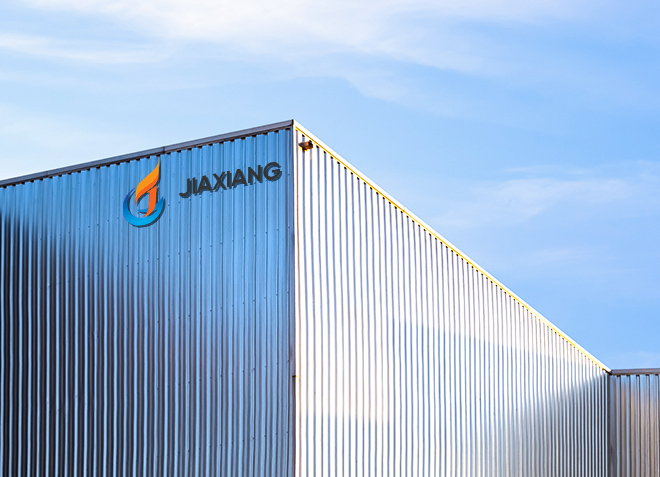



Gansu Juxiang Fluoroplastics Technology Co.,Ltd. is a fluoroplastic manufacturer based in Yumen City, Gansu Province, with a second production base in Zhejiang. Our sealing range covers PTFE gaskets, piston rings, guide tapes, universal seals, rubber O-rings and the encapsulated O ring, which we build for static joints where a plain elastomer ring would swell, harden or permeate.
Each ring is a composite: a fluoroplastic jacket fully encloses an elastomer core. The core supplies compression set and recovery; the jacket isolates it from the process medium. As an Encapsulated O Ring manufacturer in China, we produce rings to drawing in metric and inch sizes, in three standard grades and in application-specific configurations.
- Three standard grades — A, B and C, covering service from −50 °C to 250 °C
- Section diameters — 1.80 mm to 16.00 mm in the standard range
- Inside diameters — 20 mm to 2000 mm, tolerance graded by size
- Static pressure — 0 to 35 MPa
The Encapsulated O Ring Range We Manufacture
The range is built around three compound grades and a graded size matrix, so a seal can be matched to temperature, medium and groove without falling back on a single general-purpose ring. Grade A carries the widest temperature window and suits hot oil, fuel and hydraulic duty. Grade B covers general industrial sealing to 200 °C in a black jacket, and Grade C extends down to −50 °C for cold-chain, outdoor and low-temperature hydraulic equipment.
| Property | Grade A | Grade B | Grade C |
|---|---|---|---|
| Hardness (JIS Hs) | 70–90 | 70–90 | 60–75 |
| Tensile strength, min. (MPa) | 16 | 16 | 16 |
| Elongation at break, min. (%) | 60 | 60 | 80 |
| Compressibility (%) | 50–60 | 50–60 | 60–75 |
| Compression set, 175 °C × 70 h (%) | ≤20 | ≤20 | ≤30 |
| Recovery, min. (%) | >85 | >85 | >70 |
| Colour | Brown | Black | Red |
| Service temperature (°C) | −20 to 250 | −20 to 200 | −50 to 200 |
| Static pressure limit (MPa) | 0–35 | 0–35 | 0–35 |
All three grades share a 16 MPa minimum tensile strength and the same 0–35 MPa static pressure limit. They are specified for all media except elemental fluorine and molten sodium metal.
Section Diameters and Inside Diameter Tolerances
Standard sections run from 1.80 mm to 16.00 mm with inside diameters from 20 mm to 2000 mm. Tolerance tightens with section size and loosens with diameter, as the table shows; sizes outside these bands are quoted individually against the drawing.
| Section diameter (mm) | Section tolerance (mm) | Nominal inside diameter (mm) | ID tolerance (mm) |
|---|---|---|---|
| 1.80 | ±0.10 | 20–300 | ±0.10 to ±1.60 |
| 2.60 | ±0.10 | 20–300 | ±0.15 to ±1.60 |
| 3.55 | ±0.10 | 25–300 | ±0.15 to ±1.60 |
| 5.30 | ±0.13 | 60–400 | ±0.30 to ±1.80 |
| 6.30 | ±0.14 | 80–400 | ±0.65 to ±4.00 |
| 8.00 | ±0.16 | 110–2000 | ±1.00 to ±4.00 |
| 12.00 | ±0.18 | ≥400 | ±1.50 to ±6.00 |
Construction, Performance and Application Fit
The jacket is the working surface. It keeps the elastomer core away from the medium, so the ring tolerates oils, fuels, hydraulic fluids, acids, alkalis and solvents that would attack a plain rubber ring. The core stays free to compress and recover, which is what maintains sealing force through thermal cycling and bolt relaxation.
Because the jacket is a fluoroplastic, the ring also runs at temperatures that rule out most elastomers and resists the permanent set that leaves rubber rings leaking after long hot service.
Where the Ring Fits
- Plane fuel tank sealing and access covers
- Engine fittings, fuel and oil hose connections
- Hydraulic system static sealing on manifolds and valve blocks
- Diaphragm pump heads, valve seats and pump casings
- Instrument, filter housing and flange joints in chemical service
- Direct replacement of rubber and plastic O-rings in existing grooves
What It Replaces
The ring is a direct alternative to a rubber O-ring in the same groove where chemical attack or temperature is the limiting factor, and to a PTFE seal where elasticity is needed.
- Rubber O-ring — lower cost, but limited by elastomer compatibility and upper temperature
- PTFE Universal Seal — excellent chemical resistance, but relies on spring or system pressure rather than elastomer recovery
- Encapsulated ring — combines a chemically inert jacket with elastomer compression set, for static joints only
Sizing, Groove Design and Installation
Encapsulated rings are static seals. They are not intended for reciprocating or rotating service, where the jacket would wear through and expose the core. Groove geometry therefore follows static O-ring practice, with the jacket thickness added to the effective section.
- Groove depth and squeeze set against pressure and hardware tolerance
- Groove width allows for thermal expansion of the jacket and for swell in the medium
- Hardware surface finish and lead-in chamfer free of burrs, to avoid jacket nicks during assembly
- Concentricity and groove squareness checked, because a fluoroplastic jacket does not conform like rubber
- Assembly lubricant compatible with the medium; rings seated without rolling or twisting
- Bolt load and flange stiffness sufficient to keep the joint closed through thermal cycling
Quality Control, Documentation and Acceptance
Production runs are monitored against the agreed process parameters, and each lot is checked against the property set in the grade table. Hardness, tensile strength, elongation, compressibility, compression set and hot-air ageing are the routine tests; dimensional inspection follows the drawing and the tolerance table.
Documentation is issued with the goods and covers material grade, dimensions, test results and handling guidance. The inspection plan and record format are agreed at order stage so that the acceptance criteria match the project.
- Grade and compound identification on the label and in the record
- Dimensional report against drawing, including section and inside diameter
- Property results for hardness, tensile strength, elongation and compression set
- Visual inspection for jacket defects, splits and core exposure
- Packaging and marking to the agreed schedule
Custom Configuration, Packaging and Delivery
Customisation is the core of what we do. Rings are produced to customer drawings or samples, with grade, colour, section, inside diameter and tolerance fixed per part number. Two production bases, in Zhejiang and Gansu, allow scheduling across both sites for repeat and project quantities.
Export packing follows the destination and the handling requirements of the part: bags, boxes or cartons, with labels carrying grade, size, batch and quantity.
- Grade A, B or C, or a specified compound
- Colour for grade identification
- Metric or inch dimensions, to drawing
- Tolerance class per size band
- Individual bagging or bulk packing
- Marking and batch traceability
- Shipping documents for export
Information We Use to Configure Your Solution
A quotation is prepared from the working point, not from a size alone. The following inputs let us fix grade, dimensions and acceptance criteria in one pass.
- Medium, concentration and whether the joint is wetted continuously or splashed
- Continuous and peak temperature, including cleaning and sterilisation cycles
- Static pressure, pressure cycling and vacuum
- Groove drawing with depth, width and surface finish, or the mating hardware dimensions
- Required inside diameter, section and tolerance, with the standard to be applied
- Annual quantity, batch size and any scheduled call-offs
- Documentation, inspection and traceability requirements
- Packaging, labelling and destination
FAQs
What temperature and pressure do your encapsulated O rings handle?
Grade A runs from −20 °C to 250 °C, Grade B from −20 °C to 200 °C and Grade C from −50 °C to 200 °C. All three are rated for static pressure from 0 to 35 MPa and for all media except elemental fluorine and molten sodium metal.
Can you supply sizes outside the standard range?
Standard sections run from 1.80 mm to 16.00 mm and inside diameters from 20 mm to 2000 mm. Rings outside those bands, and rings with non-standard tolerances or compound requirements, are quoted individually from the drawing or sample.
Are encapsulated O rings suitable for dynamic sealing?
They are static seals. In a reciprocating or rotating joint the jacket wears through and exposes the core, so dynamic duties are better served by a PTFE Piston Ring, guide tape or a filled PTFE component from our range.
What do you need to quote an encapsulated O ring?
Medium, temperature, pressure, groove drawing or hardware dimensions, required size and tolerance, quantity and documentation requirements. With those we return grade, dimensions, price and lead time.