

 русский
 Deutsch
 عربى



PHBA Filled PTFE Components for Oil-Free Running Systems
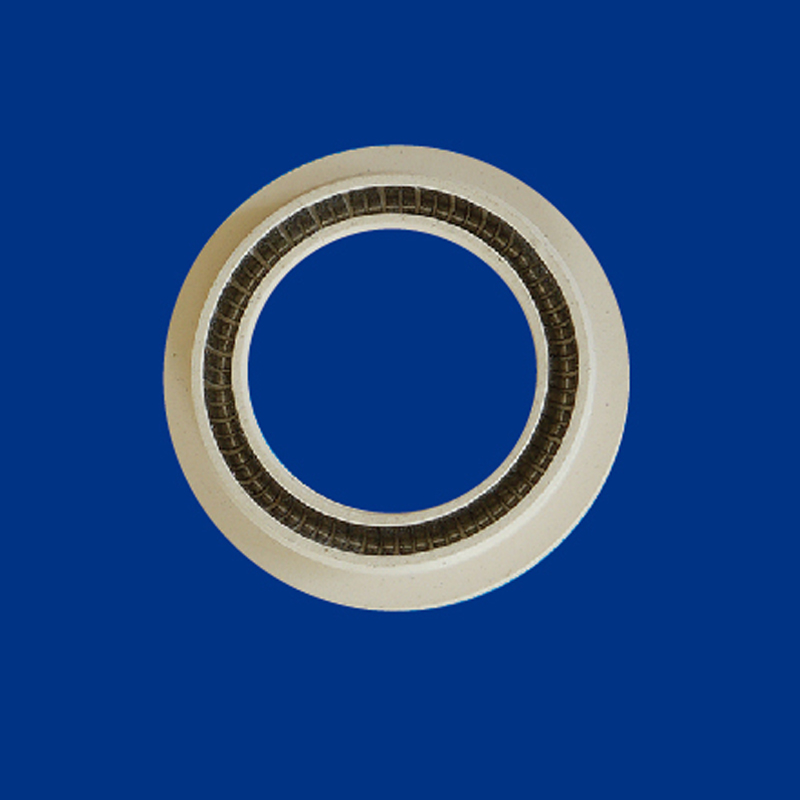
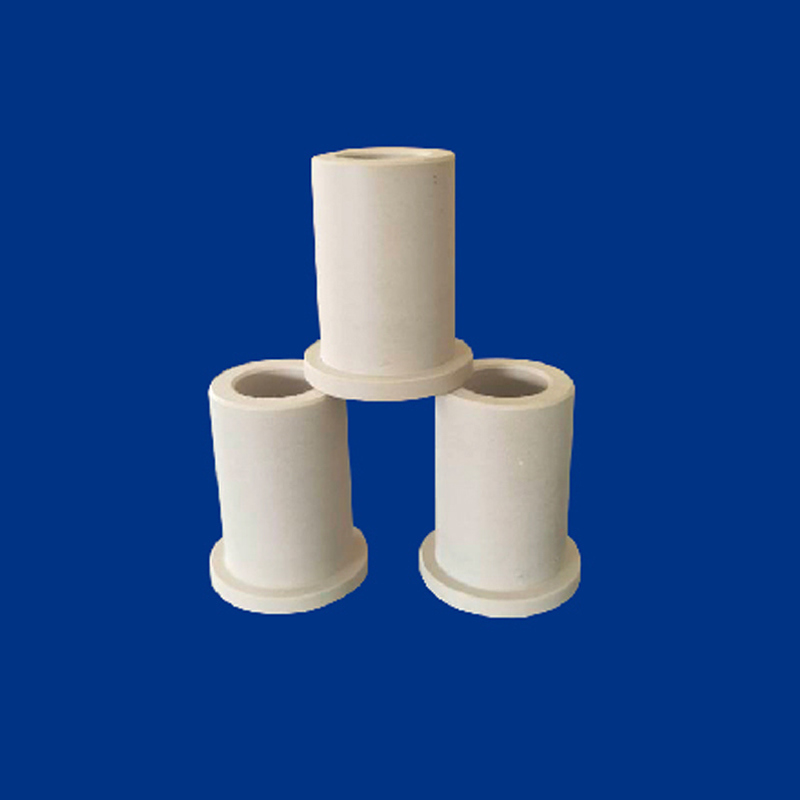
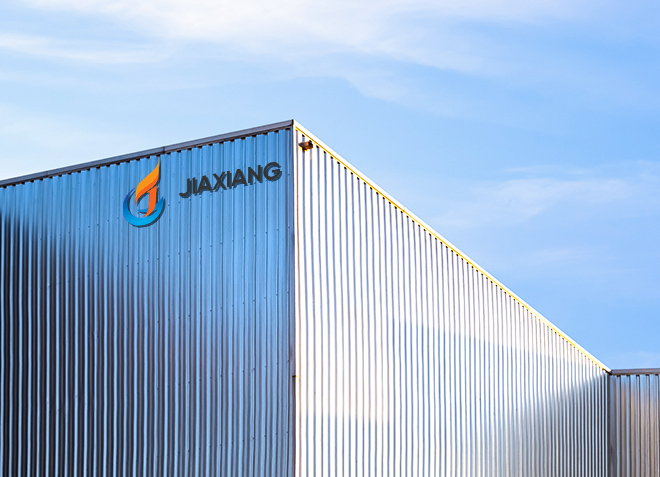
Gansu Juxiang Fluoroplastics Technology Co.,Ltd. compounds and machines PHBA filled PTFE into bushings, bearing sleeves, oil seals and cup packings that operate without grease. The range covers the geometries our customers specify most often: oil-free lubricating oil seals, oil-free lubricated bushings, oil-free leather bowls and straight bushings without oil lubrication, supported by machined wear rings and stock tube and rod for further processing.
We are a fluoroplastic manufacturer with production in Zhejiang and Gansu, working from customer drawings or physical samples. PHBA filling sits alongside our glass-, carbon-, bronze- and graphite-filled PTFE families, so the grade is selected against the duty point rather than against a catalogue default.
What PHBA Filling Changes in a PTFE Compound
PHBA, p-hydroxybenzoic acid, is a rigid aromatic polyester filler. Dispersed through a PTFE matrix it raises hardness and compressive strength and restricts the cold flow that limits unfilled PTFE in loaded, slow-moving joints. The result is a compound that keeps the low friction and chemical inertness of PTFE while holding its clearance under sustained load.
- Creep resistance: reduced deformation of the sleeve wall under static and semi-static load, which protects the interference fit and the running clearance.
- Wear behaviour: improved resistance to adhesive and abrasive wear in dry or marginally lubricated sliding contact.
- Dimensional stability: better retention of bore and face geometry across the operating temperature band than unfilled PTFE.
- Machinability: clean turning and boring of thin-wall bushings, flanges and seal profiles without the tearing associated with soft unfilled stock.
- Electrical and chemical behaviour: the PTFE matrix continues to provide insulation and resistance to most industrial media; the actual medium and temperature are confirmed for each project.
Filler loading is fixed per application. A bushing carrying a steady radial load and a seal lip running at shaft speed do not want the same compound, and we set the grade accordingly before any material is pressed or machined.
The PHBA Filled PTFE Range We Supply
| Component | Form we machine | Typical duty | Configuration inputs |
|---|---|---|---|
| Oil-free lubricated bushing | Sleeve, flanged sleeve, thrust washer | Radial or combined loads in pumps, valves, linkages and small gearboxes where grease is excluded | Shaft diameter and tolerance, housing bore, wall thickness, load, speed, duty cycle |
| Straight bushing without oil lubrication | Plain cylindrical sleeve, split sleeve | Slow reciprocating or oscillating motion, high static load, short stroke | Length, running clearance, mating surface hardness and finish, ambient temperature |
| Oil-free lubricating oil seal | Seal ring and lip component | Rotary shafts in small motors, fans and pumps running dry or with process fluid | Shaft speed, lip geometry, carrier or spring fit, media, pressure |
| Oil-free leather bowl | Cup and U-cup packing | Reciprocating cylinders and pneumatic or hydraulic actuators | Bore and rod diameter, groove dimensions, pressure, stroke length |
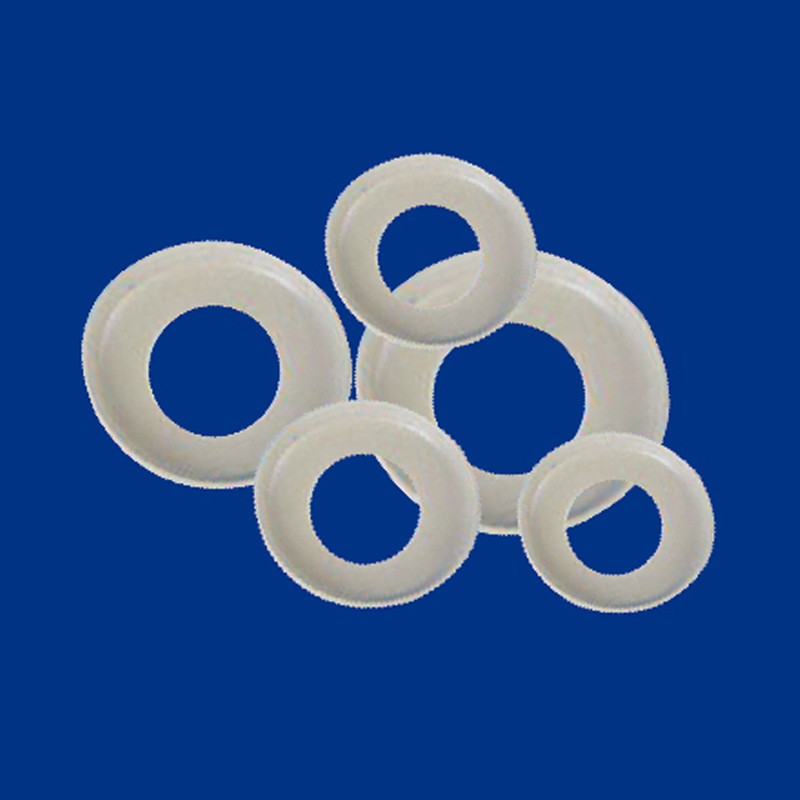
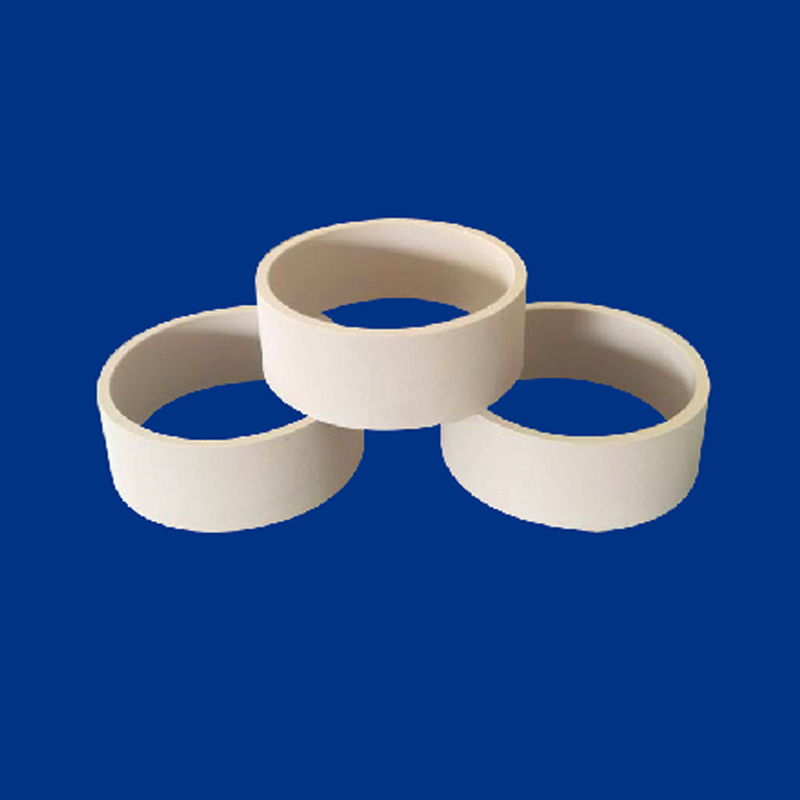
| Wear rings and guide elements | Machined rings, strips, special profiles | Guiding pistons and rods, anti-extrusion duty, wear compensation | Drawing, profile, quantity, mating material, installation method |
Bushings, seals and packings are machined from compression-moulded or ram-extruded stock, and the same compounds are available as filled PTFE tube and rod for customers who machine in-house.
Matching the Filler to the Duty
PHBA is one answer among several. The table below reflects how we position the common PTFE compound families when a drawing arrives without a specified grade.
| Compound family | What it contributes | Where it needs care | Typical fit |
|---|---|---|---|
| Unfilled PTFE | Lowest friction, broadest chemical resistance, softest seating | Cold flow under load, higher wear rate in dry sliding | Static seals, low-load sliding faces, gaskets |
| Glass fibre filled | Hardness, creep resistance, economical compounding | Abrasive to soft mating surfaces | Static and moderate dynamic seals |
| Carbon / graphite filled | Thermal conductivity, wear resistance, dimensional stability | Higher friction than PHBA in some dry duties, dark colour | Dry-running bearings, piston rings |
| Bronze filled | High load capacity, heat dissipation | Corrosion risk in wet or acidic media, abrasive debris | Heavily loaded bushings in clean, dry service |
| PHBA filled | Hardness and compressive strength with low friction, good machinability, lighter colour than carbon or bronze grades | Loading must be matched to load and speed; medium and temperature confirmed per project | Oil-free bushings, seal rings, wear rings, guide elements |
Where a component already exists in another grade, we compare the failed part against the duty and propose the compound change together with any geometry correction needed to restore clearance.
Critical Specifications We Confirm Before Machining
PHBA filled PTFE is dimensionally stable, but it is still a polymer with a thermal expansion rate well above steel. Bore, wall thickness and clearance are therefore treated as a system rather than as isolated tolerances.
- Geometry: bore and outside diameter, length, flange diameter and thickness, groove position, wall section, chamfer, split line.
- Fit: press-fit interference, housing bore tolerance, running clearance, concentricity and face squareness.
- Surface: roughness of the running face, flatness of thrust faces, burr-free edges at seal lips and packing corners.
- Material: filler type and loading, colour, density, hardness, compressive strength, tensile strength and elongation at break.
- Duty: radial and axial load, sliding speed, pressure-velocity product, duty cycle, start-stop frequency, stroke and misalignment.
- Environment: continuous and peak temperature, medium and concentration, humidity, vacuum, cleaning regime.
- Counterface: shaft or housing material, hardness, roughness, coating and lubrication state.
- Acceptance: dimensional report, first-article sample, batch traceability, packaging and marking.
Machining, Inspection and Acceptance
Production runs across our Zhejiang and Gansu bases under monitored process parameters, from compound preparation through sintering and stress relief to CNC finishing. Thin-wall bushings and seal lips are turned with fixtures that support the wall, so the finished bore is not distorted by clamping.
Parts are checked dimensionally against the drawing before packing, and the compound batch and process route are recorded against the order so a repeat batch can be matched. Documentation and usage guidance are issued with the shipment, including material batch records and dimensional reports where the order calls for them.
Sample approval before series production. Prototypes and first articles are supplied for fit and running trials, and the approved sample becomes the reference for the production batch.
Information We Use to Configure Your Solution
A quotation that holds up in production starts from the working point, not from a part number alone. The following inputs let us fix compound, geometry and inspection scope in one pass.
- Drawing or sample, with the revision level and any critical-to-function dimensions marked.
- Load, speed, stroke and duty cycle, including start-stop frequency and expected service interval.
- Operating temperature range and the medium in contact with the part.
- Mating shaft or housing material, hardness, surface finish and installation method.
- Annual quantity, batch size and any scheduled call-off arrangement.
- Acceptance requirements: dimensional report, material certificate, first-article inspection, packaging standard.
Where a drawing is not yet fixed, we work from the envelope and the duty and return a proposed geometry with the compound recommendation. Related components such as PTFE piston rings and PTFE guide tape are configured in the same review when they share a cylinder or bearing assembly.
Installation, Spares and Delivery Scope
PHBA filled PTFE bushings are normally press-fitted with a lead-in chamfer and a mandrel or pilot to avoid shaving the outer wall. Split sleeves and thrust washers are packed flat to prevent ovalisation in transit, and seal lips are protected with separators.
Replacement parts are produced from the same recorded compound and drawing, so a spare set ordered months later matches the installed geometry. Packaging is specified per part: individual bags for seal lips, layered cartons for flanged bushings, and marked boxes for site identification. Shipments leave from China with the commercial and transport documents prepared for the destination market.
Frequently Asked Questions
What is PHBA filled PTFE used for?
It is used where a PTFE component must carry load without grease: bushings and bearing sleeves, seal rings, cup packings, wear rings and guide elements. The PHBA filler raises compressive strength and creep resistance so the part holds its clearance, while the PTFE matrix keeps friction low and chemical resistance broad.
Can you machine PHBA filled PTFE parts to our drawing?
Yes. Custom manufacturing to drawing or sample is our core service, covering bushings, flanged sleeves, thrust washers, seal rings, cup packings and wear rings. We review the drawing against the duty, confirm the compound and tolerances, and supply a first article before the production batch.
Which data do you need to quote a PHBA filled PTFE component?
Send the drawing or sample, the load, speed and duty cycle, the temperature range and medium, the mating surface specification, the annual quantity and the acceptance documents required. With those inputs we return a compound recommendation, geometry notes and a quotation for the PHBA Filled PTFE Product manufacturer scope you need.
How are the parts packed and documented?
Packaging follows the part geometry: individual protection for seal lips, flat layering for thin-wall bushings and washers, and marked cartons for site identification. Material batch records, dimensional reports and usage guidance accompany the shipment when specified in the order.