

 русский
 Deutsch
 عربى

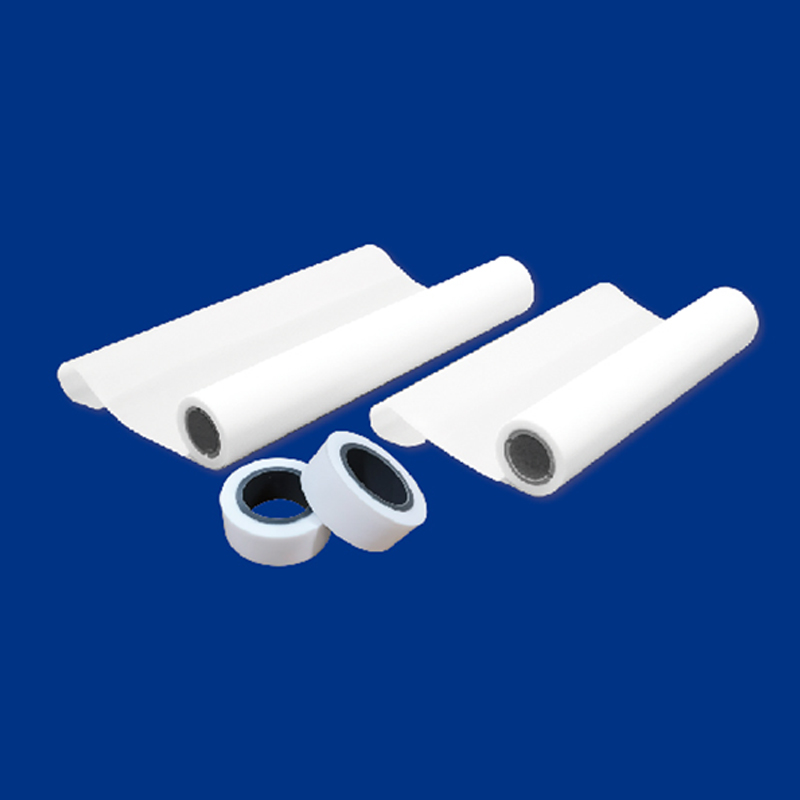
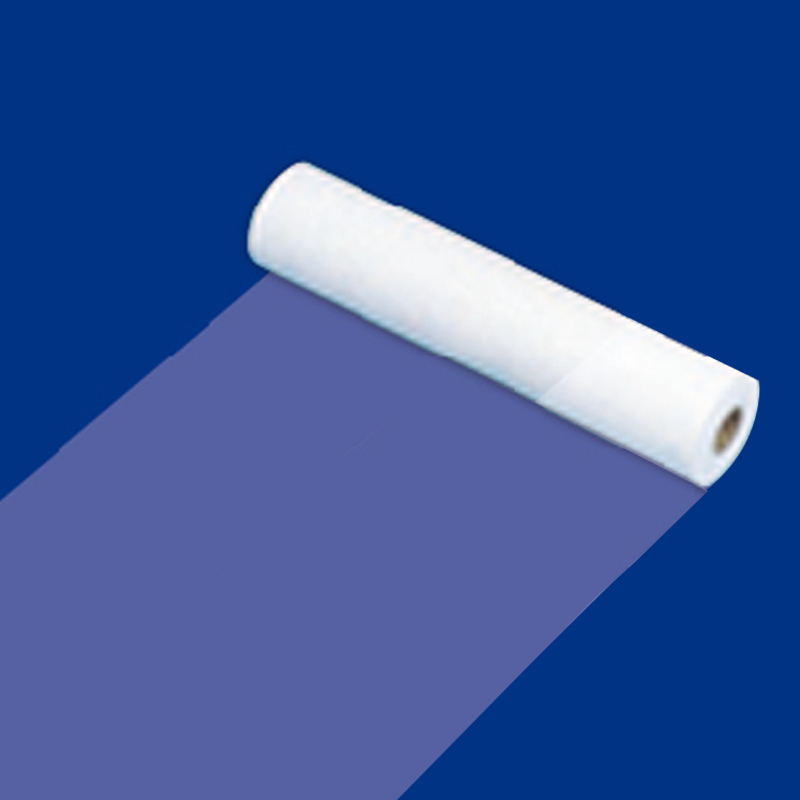
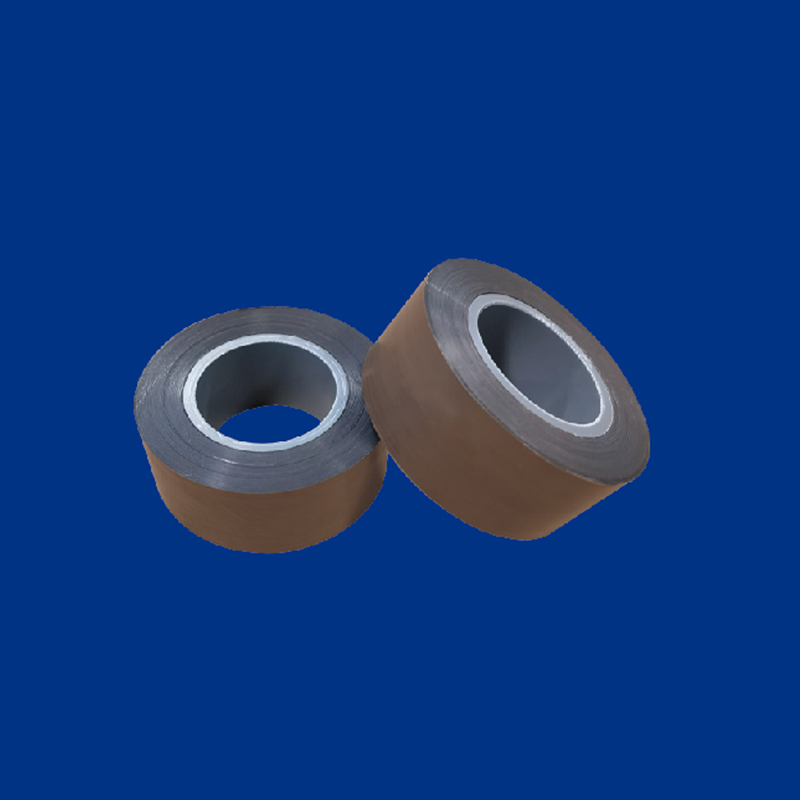
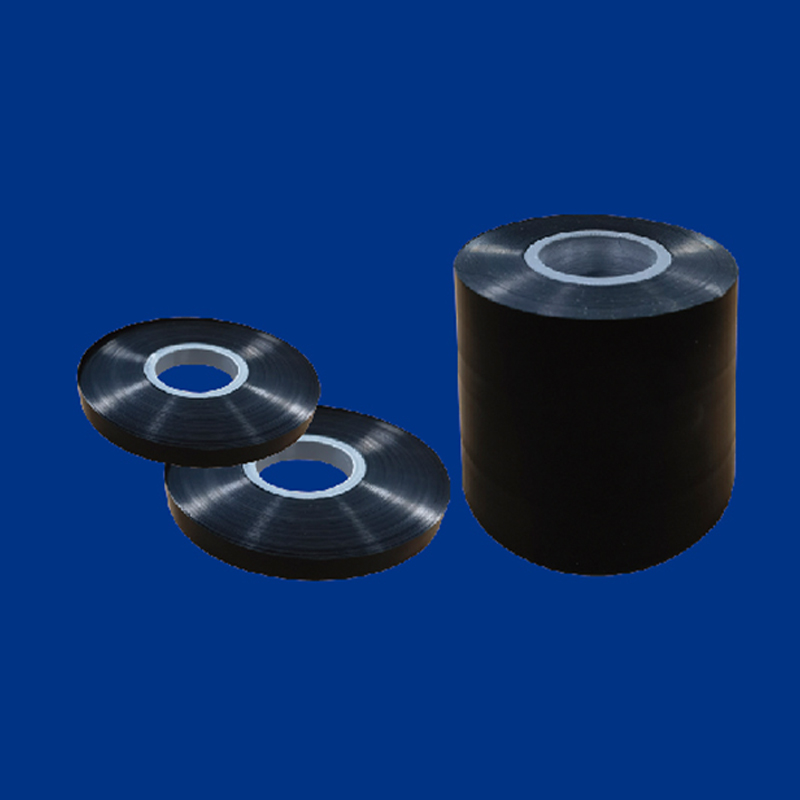



PTFE Film from a Focused Fluoroplastics Manufacturer
Gansu Juxiang Fluoroplastics Technology Co.,Ltd. is a PTFE Film manufacturer in China, supplying skived film and specialty film grades from our fluoroplastic range. The film is produced from molded and skived PTFE blank, then supplied as high-density or medium-density film after rolling, with surface treatments and composite constructions for electronics, cable, sealing and high-frequency applications.
Our position in this category is as a focused fluoroplastics manufacturer and film converter. We match film construction to the working environment: dielectric duty in PCB lamination, release and cushioning in display bonding, chemical resistance in seals, or antistatic control in cable and electronic assembly. The same film family is available through our fluoroplastic product range alongside sheets, rods, tubes and machined seals.
PTFE Film Range and Application Fit
The PTFE Film range is organized by construction and end use. Standard skived film covers general insulation, sealing and release; specialty films carry sodium treatment, antistatic performance, thermal buffering or high-frequency laminate construction.
| Film grade | Construction | Typical application fit | Specification focus |
|---|---|---|---|
| Skived PTFE film | Molded and skived PTFE blank; high- or medium-density after rolling | Gasket seals, lubricating media, capacitor dielectric, wire and instrument insulation | Density, tensile, elongation, width, thickness |
| 4G/5G laminate film | High-frequency substrate compound | 4G and 5G base station antenna, high-frequency PCB | Dk 2.14–2.65; 0.127–3.175 mm |
| Electronic buffer film | PTFE film with thermal conduction and release surface | COG/FOG bonding cushion, LCD modules | Smoothness, heat transfer, stability |
| Modified composite film | Modified PTFE film, translucent surface | Electronics, chemical, conveyor belt, outdoor roof | Ageing, chemical resistance, insulation, film-to-film fusion |
| Double-sided sodium membrane | Sodium-treated PTFE film | Cable covering | Surface uniformity, temperature conduction |
| Antistatic film | Antistatic PTFE film | COG/FOG buffer, electronic assembly | Static control, release, moisture resistance |
Critical Specifications and Configuration Choices
Standard skived film is specified by density, tensile strength, elongation, width and thickness. The published envelope is 2.1–2.2 g/cm³ density, ≥25 MPa tensile strength, ≥250% elongation at break, 0.03–0.1 mm thickness and 500–1520 mm width. High-frequency laminate film moves to 0.127–3.175 mm thickness with Dk between 2.14 and 2.65.
- Density, tensile strength and elongation define the base film grade and handling behavior.
- Thickness and width are the repeatability variables for roll-to-roll processing and lamination.
- Dk and thickness control stack-up performance in high-frequency PCB designs.
- Surface condition, release and moisture resistance matter in display and electronic bonding.
- Chemical resistance and non-ageing behavior support seal, cable and outdoor applications.
- Visual acceptance and roll build are agreed against the line requirements.
Configuration options
A film order is not only a thickness. We configure the construction and supply format around the process window.
- Plain skived film for general insulation, release and seal backing.
- Double-sided sodium treatment for bonding and cable covering.
- Antistatic construction for electronic handling and buffer layers.
- Modified composite film for chemical, outdoor and conveyor applications.
- Roll or sheet format, slit width, core size, interleaf and labeling set with the order.
- Surface and property targets confirmed from drawing, sample or line trial data.
Line Integration and Process Fit
In PCB lamination, PTFE Film works as a dielectric or bonding layer; stack-up design is driven by Dk, thickness and dimensional stability under press conditions. In display bonding, the electronic buffer film is selected for surface smoothness, heat transfer and release rather than electrical performance. Cable and sealing projects use sodium-treated or antistatic film where surface condition and static control affect the finished assembly.
Where the film is presented as a tape or a low-friction guide surface, we supply PTFE Adhesive Tape and PTFE Guide Tape from the same fluoroplastic family. Converted formats are quoted with the base film grade identified so the dielectric, chemical and release properties stay aligned with the application.
Quality Control and Acceptance
Quality control is built around the properties that decide downstream yield: density, tensile strength, elongation, width, thickness and visual condition. High-frequency film adds dielectric constant and thickness verification. We provide the inspection record and usage guidance agreed for the order, and acceptance criteria are fixed before production from the drawing, sample or application data. Dual production bases in Zhejiang and Gansu support scheduling and repeat supply.
- Standard film: density, tensile, elongation, width, thickness and visual condition.
- High-frequency film: Dk and thickness verification.
- Converted film: dimensions, surface and roll build.
- Documentation: inspection record, label, packing list and usage guidance.
As a consumable film, there is no routine maintenance; storage, handling and roll protection preserve surface quality before use.
Information We Use to Configure Your Solution
A usable PTFE Film quotation starts with the working point, not only a thickness. We use the following project inputs to select the grade, set the roll configuration and prepare the price.
- Film function: dielectric, release, cushion, insulation, cable wrap or seal backing.
- Required thickness and width, with tolerance where the line is sensitive.
- Roll or sheet format, core size, roll length, interleaf and labeling.
- Electrical target: Dk, Df or antistatic performance.
- Mechanical target: tensile strength, elongation and handling stiffness.
- Thermal and chemical exposure, plus expected service condition.
- Surface treatment: plain, sodium, antistatic or modified composite.
- Quantity, repeat order pattern, packaging and documentation scope.
Customer Questions About PTFE Film
What thickness and width can you supply?
Standard skived film is quoted from 0.03 mm to 0.1 mm in widths from 500 mm to 1520 mm. High-frequency laminate film is quoted from 0.127 mm to 3.175 mm. We confirm the exact combination against the application, roll format and test requirements before production.
Can you supply antistatic and sodium-treated film?
Yes. The range includes antistatic film and double-sided sodium membrane. The treatment is selected for the function: static control in electronic buffer layers, or bonding and cable covering for sodium-treated film. Target performance is agreed from the drawing or sample.
How do you support PCB and high-frequency lamination?
We start from the stack-up: Dk, thickness, press cycle and line width. The film grade and thickness are matched to the laminate design, and the roll is supplied at the line width within the quoted range. Dielectric constant and thickness are verified against the agreed specification.
What information do you need for a custom film quotation?
Send the application, film function, thickness and width, roll or sheet format, electrical or mechanical targets, surface treatment, quantity and documentation scope. A drawing or sample helps where the film is converted into a tape, guide strip or other supplied format.