

 русский
 Deutsch
 عربى
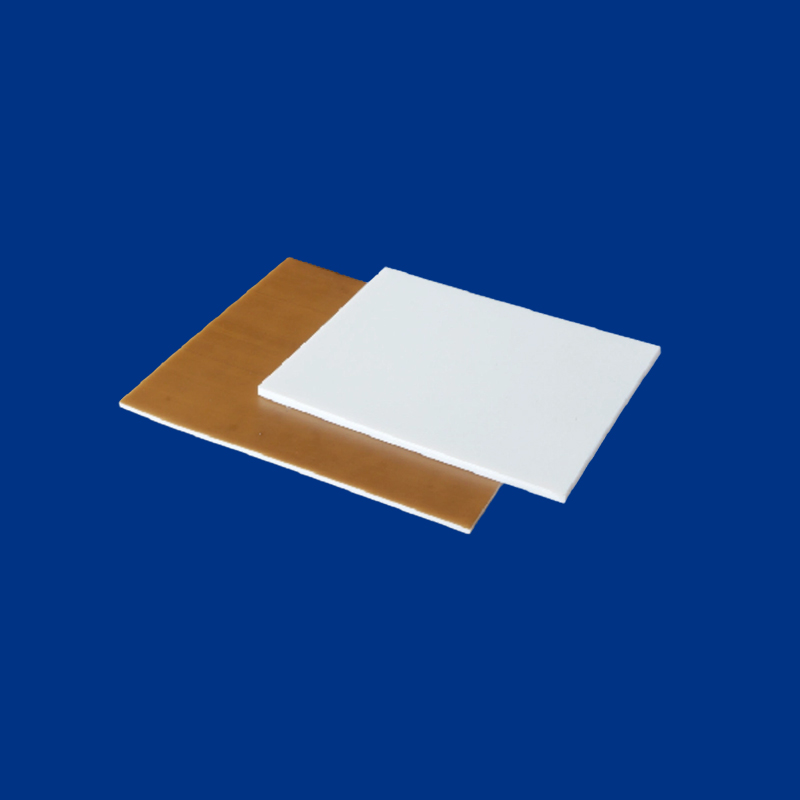




Gansu Juxiang Fluoroplastics Technology Co.,Ltd. is a PTFE Skived Sheet manufacturer producing continuous sheet and slit tape from moulded PTFE billets at our Yumen, Gansu factory, with a second production base in Zhejiang. The range runs from 0.3 mm to 8 mm in sheet thickness and up to 2000 mm in width, in high-density and medium-density grades, supplied as rolls, slit coils or cut blanks. Sealing, electrical insulation, semiconductor wet-process equipment and general anti-stick duty are the applications this sheet is specified into most often.
What the Skived Range Covers
Skiving peels a continuous sheet from a sintered cylindrical billet, so length is effectively open — we quote standard lengths of 10,000 mm and above — while thickness is governed by depth of cut and by the density and stress history of the billet. That is what makes skived sheet the practical form for thin, large-area sections that a compression-moulded sheet cannot reach within press size and thickness control.
- Skived sheet — 0.3–8 mm thick, 1000 / 1200 / 1500 / 2000 mm wide, for gasket blanks, vessel and pipe linings, release surfaces and electrical barriers.
- Skived tape — 0.3–4 mm thick, slit from 10 mm to 500 mm, for wrapping, joint and flange sealing, and cable or pipe protection.
- Density variants — high-density and medium-density sheet, matched to the mechanical load and the sealing duty rather than to a single stock grade.
- Converted forms — cut pads, rings and washers, plus adhesive-backed tape where the part has to be positioned before bolting.
Sheet and Tape Formats
| Format | Thickness | Width | Length | Where it fits |
|---|---|---|---|---|
| Skived sheet | 0.3–8 mm | 1000 / 1200 / 1500 / 2000 mm | ≥ 10,000 mm | Gasket blanks, linings, release and insulation barriers |
| Skived tape | 0.3–4 mm | 10–500 mm | ≥ 10,000 mm | Spiral wrapping, joint and flange sealing, cable protection |
| Cut blanks and rings | From the sheet gauges above | Per drawing | Per drawing | Die-cut gaskets, washers, shims and pads |
| Adhesive-backed tape | From the tape gauges above | Per slit width | Roll length to order | Parts that must stay in place during assembly |
Tape is converted from the same sheet, so a tape and a sheet used in one assembly share a common billet and a consistent surface finish.
Property Envelope
The published property set is the basis on which we specify and check skived sheet. It describes virgin PTFE; filled and modified compounds move these values and are quoted separately.
| Property | Unit | Result | What it governs in service |
|---|---|---|---|
| Apparent density | — | 2.10–2.30 | Consolidation of the billet, linked to permeability, creep resistance and sealing behaviour |
| Tensile strength | MPa | ≥ 15.0 | Handling strength during cutting and installation; resistance to blow-out in gaskets |
| Elongation at break | % | ≥ 150 | Conformability over flange imperfections and tolerance to bolt-up compression |
| Dielectric strength (min.) | kV/mm | ≥ 10 | Barrier thickness for capacitor, cable and instrument insulation |
Application Fit
Chemical inertness, non-leaching cleanliness, temperature resistance and low adsorption are what place skived sheet in wet-process semiconductor lines, etching and cleaning tools and high-purity fluid equipment, where contamination and corrosion both have to be held at zero.
- Sealing and lubrication — gasket blanks, joint and flange seals, thrust washers and low-friction bearing faces.
- Electrical insulation — capacitor dielectric, cable wrapping and instrument insulation, where the ≥10 kV/mm figure sets the gauge.
- Semiconductor and high-purity fluid — lining and barrier sheet for wet benches, tanks and pipework, chosen for clean surfaces and low extractables.
- Chemical and petrochemical — tank-mouth and pipeline sealing, plus anti-corrosion facing on steel and composite components.
- Release and anti-stick — platen and mould release, heat-sealing faces and chute linings.
Where virgin PTFE cannot carry the mechanical load, the same parts are quoted from our Filled PTFE Product range, which trades some chemical universality for higher compressive strength and lower wear.
Density, Thickness and Direction
High-density sheet is the default where the part must hold bolt load or resist creep; medium-density sheet is more conformable and is often the better answer on rough or mismatched flanges. Both come off the same skiving process, so the difference is set in the billet and the take-off rather than in a downstream treatment.
Thickness tolerance and flatness deserve as much attention as the nominal gauge. Thin skived sheet carries residual orientation from the peel, so a part that is subsequently punched, turned or compressed can move if the skiving direction is not considered at the cutting stage. We agree the tolerance band, the measuring method and the grain direction against the drawing before production.
Conversion and Line Integration
Sheet leaves us as roll, slit coil or cut blank. Slitting to tape width, die cutting to gasket outlines and adhesive backing are handled inside the same order, so the delivered item is installable rather than a roll that has to be re-cut on site.
- Slit widths from 10 mm on tape, with edge quality agreed against the wrapping or sealing method.
- Cut blanks and rings to drawing, including bolt-hole patterns for flange gaskets.
- Adhesive-backed versions through our PTFE Adhesive Tape range for parts that must stay in position during assembly.
- Thin-gauge barrier and dielectric sections through our PTFE Film range where the requirement falls below the skived envelope.
Information We Use to Configure Your Solution
A workable configuration for skived sheet starts from the working point, not from a size alone. These are the inputs that change the grade, the tolerance and the conversion route:
- Thickness and the tolerance band, plus the method by which it will be measured.
- Density grade — high or medium — and the load, bolt torque or creep limit behind that choice.
- Width and length, and whether the sheet is wanted as roll, slit coil or finished part.
- Media, operating temperature and pressure for sealing duties; voltage and barrier thickness for insulation duties.
- Surface and cleanliness requirements for semiconductor, medical or other high-purity contact.
- Drawing or sample for converted parts, including grain direction where the part is punched or machined.
- Quantity per size, packing preference, marking and destination port.
Acceptance, Packing and Delivery Scope
Thickness, width and the published physical and electrical properties form the acceptance basis for each order; the test set, sampling and record format are fixed in the order confirmation so that incoming inspection at the customer's plant matches what we check here. Where a project calls for third-party inspection or a specific documentation package, that is agreed before the billet is moulded rather than after skiving.
Sheet is wound or laid flat according to gauge, protected at edges and faces, and packed for sea or air freight with marking that follows the purchase order. Rolls, coils and cut parts can be consolidated in one shipment so that a line start is not held up by a single missing width.
Frequently Asked Questions
What thickness and width can you supply in PTFE skived sheet?
Skived sheet runs from 0.3 mm to 8 mm thick in 1000, 1200, 1500 and 2000 mm widths, with standard lengths of 10,000 mm and above. Skived tape from the same billets runs 0.3–4 mm thick and is slit from 10 mm to 500 mm.
How does skived sheet differ from moulded sheet?
Moulded sheet is pressed to its final thickness in a die, which suits thicker sections and short, wide blanks. Skived sheet is peeled from a sintered billet, giving continuous length, closer control at thin gauges and a surface that has not been in contact with a mould. For thin, large-area gaskets and linings, skiving is usually the more economical route.
Can you supply cut gaskets or slit tape rather than full rolls?
Yes. Slitting, die cutting to drawing and adhesive backing are quoted together with the sheet, so the delivered item is ready for installation. Rings, washers, flange gaskets and pads are cut from the same billet as the sheet they are ordered with.
What do you need to quote a skived sheet order?
Thickness with tolerance, density grade, width and length, quantity, and the application — media, temperature and pressure for sealing, or voltage and barrier thickness for insulation. For converted parts, a drawing or sample plus the grain direction where the part is punched or machined.