

 русский
 Deutsch
 عربى
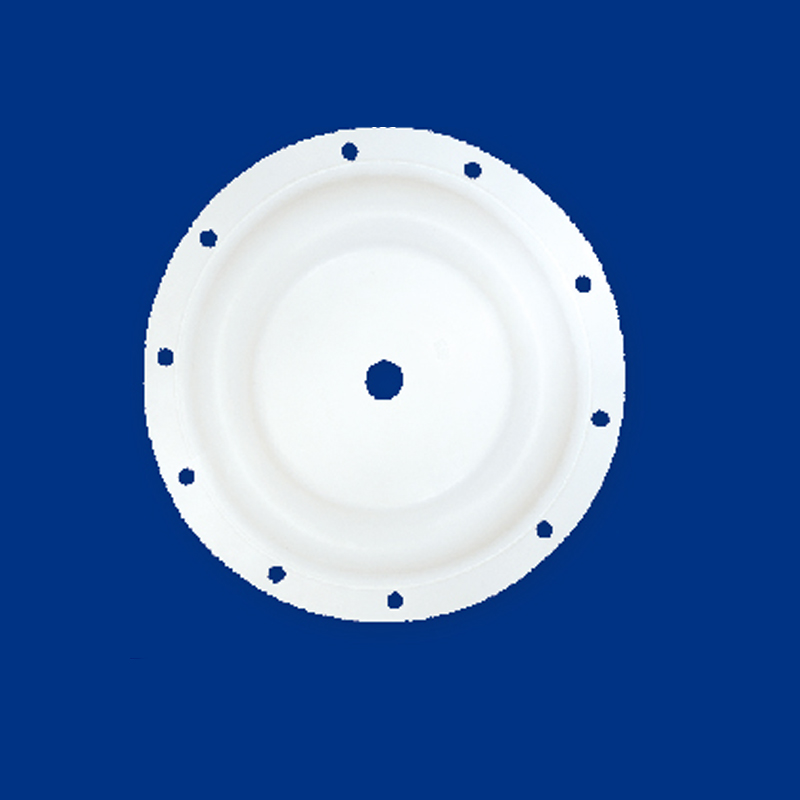
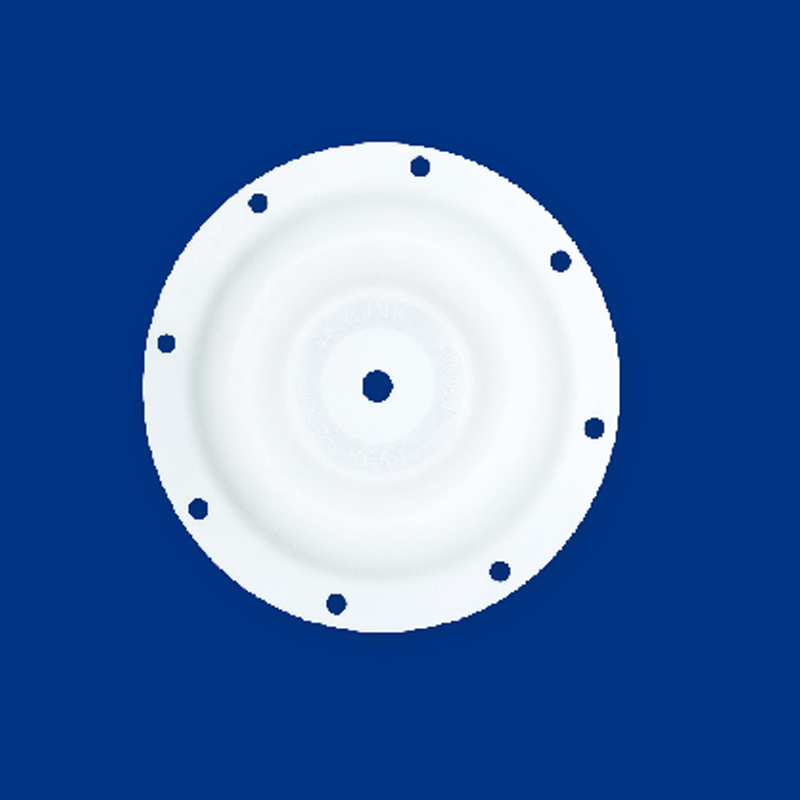

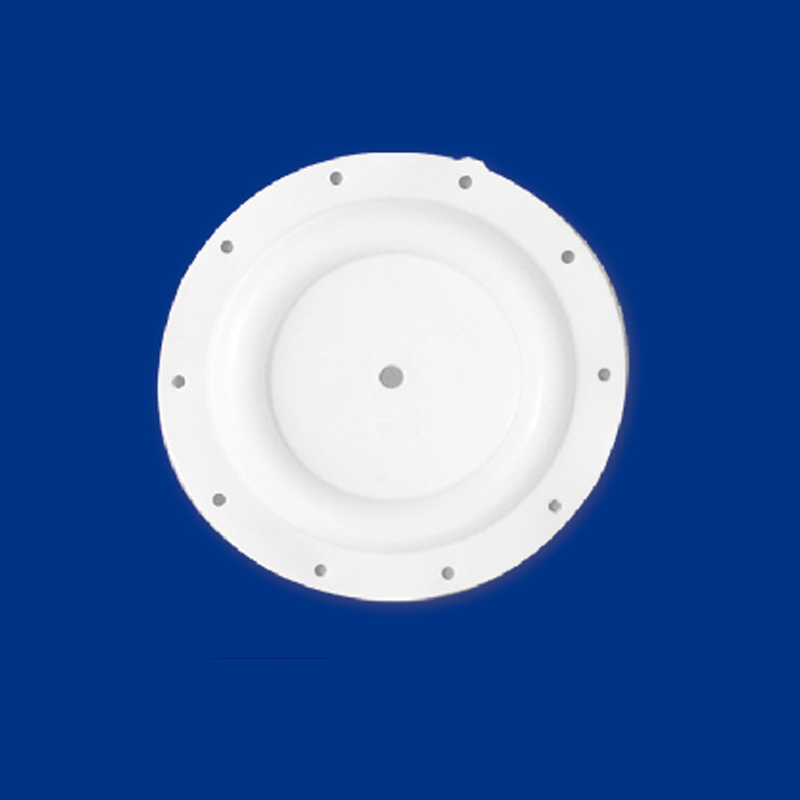
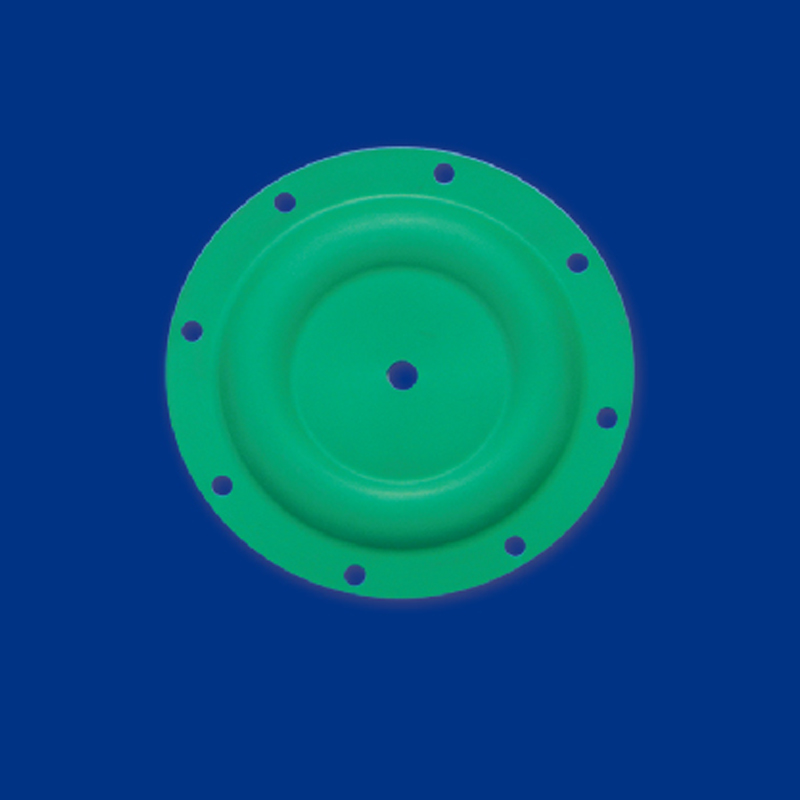
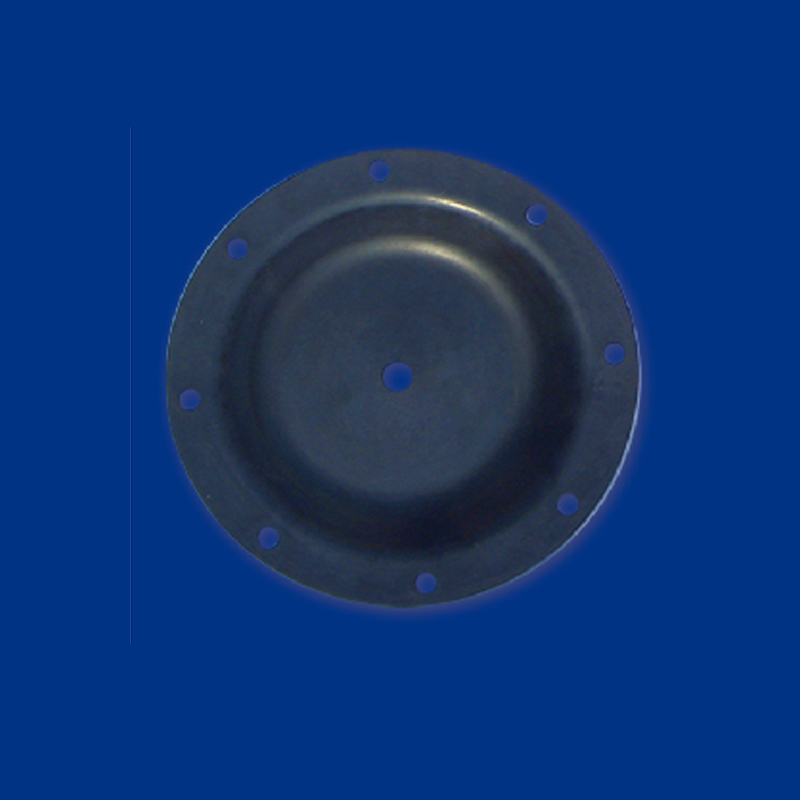
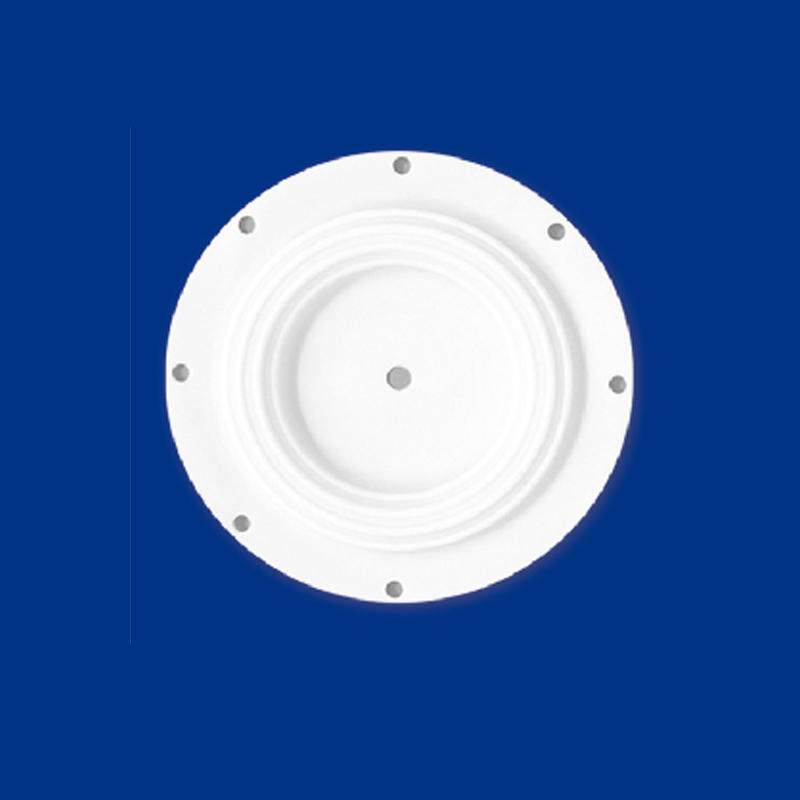

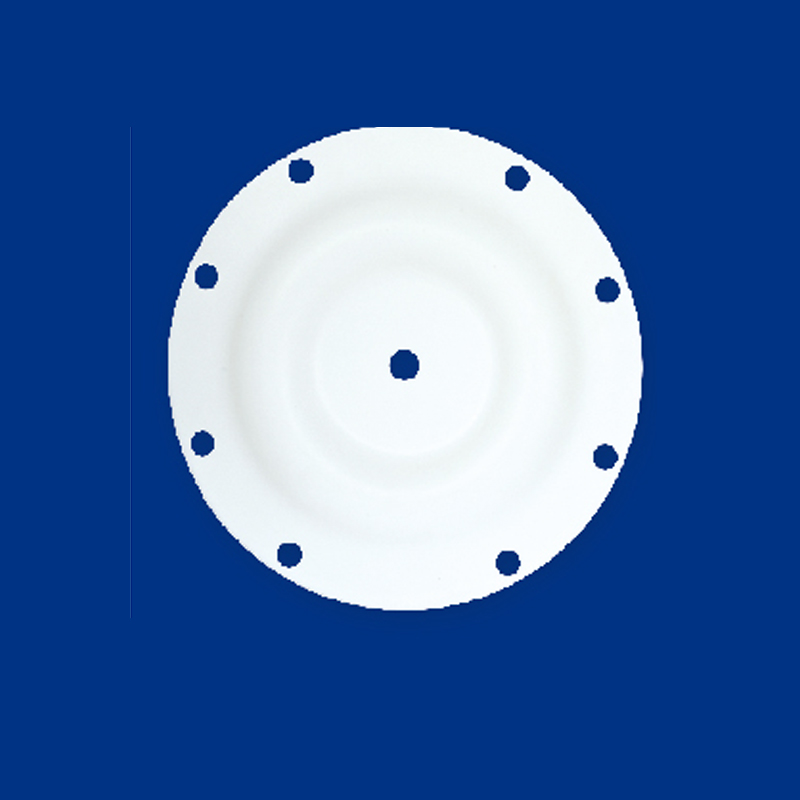
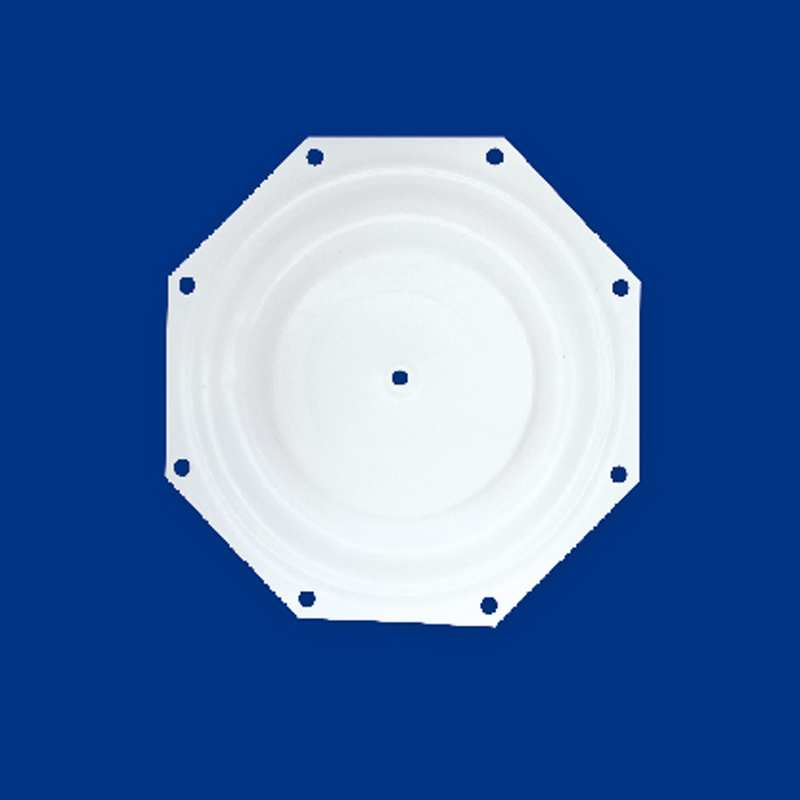
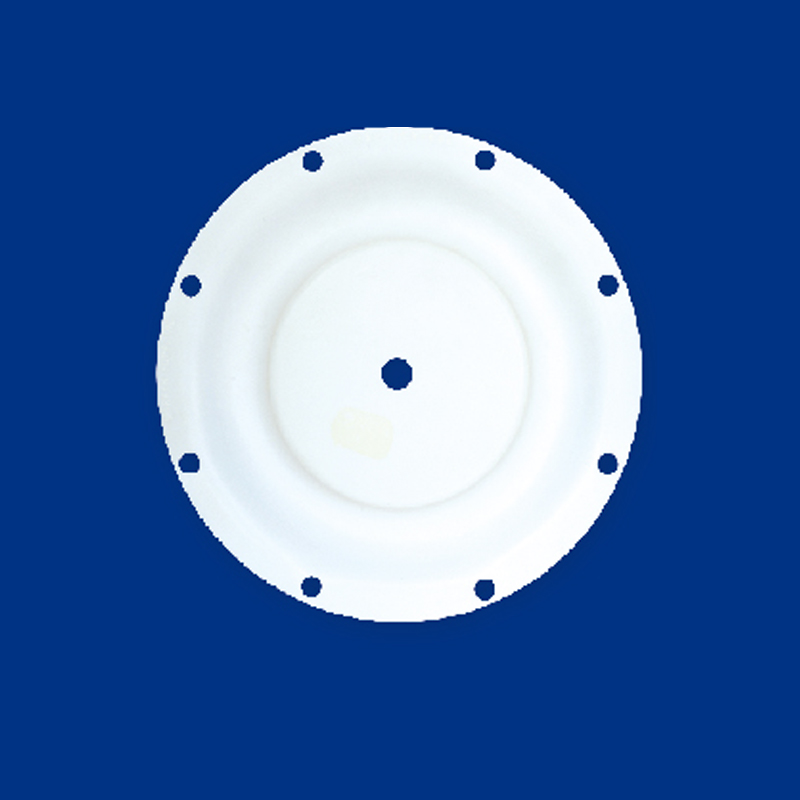





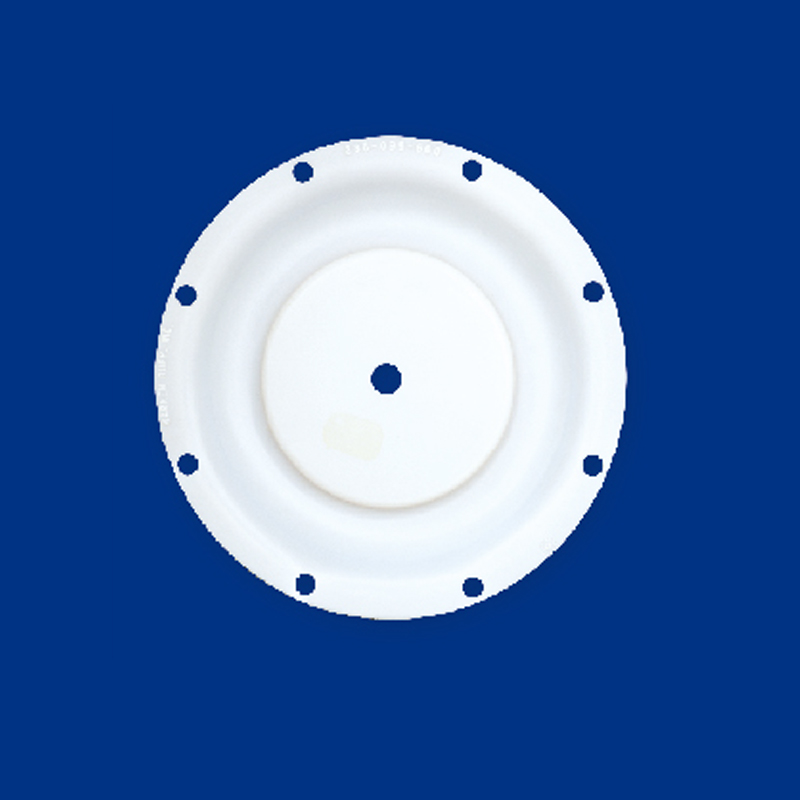
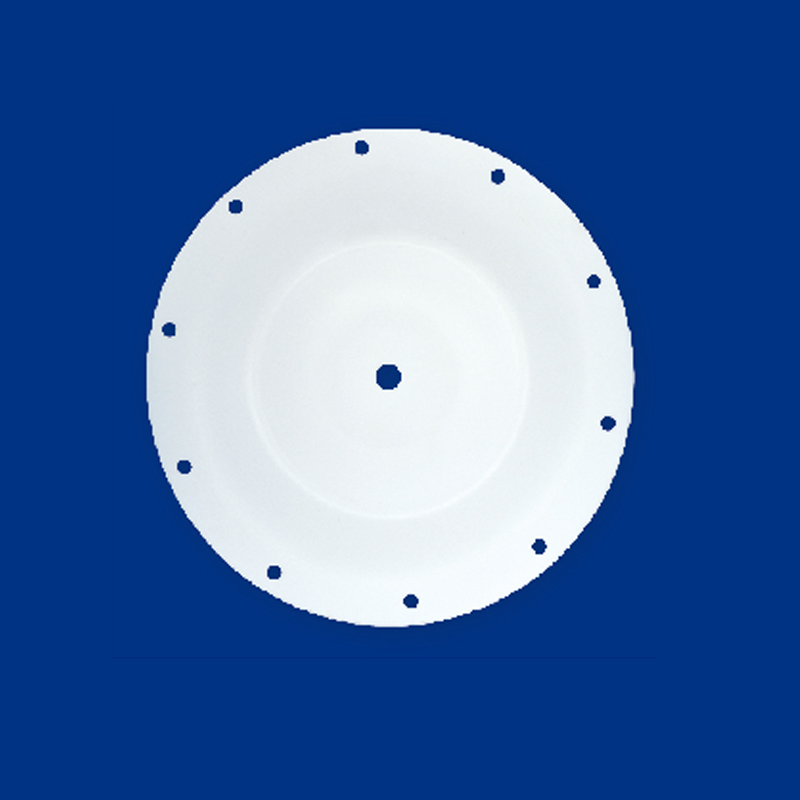
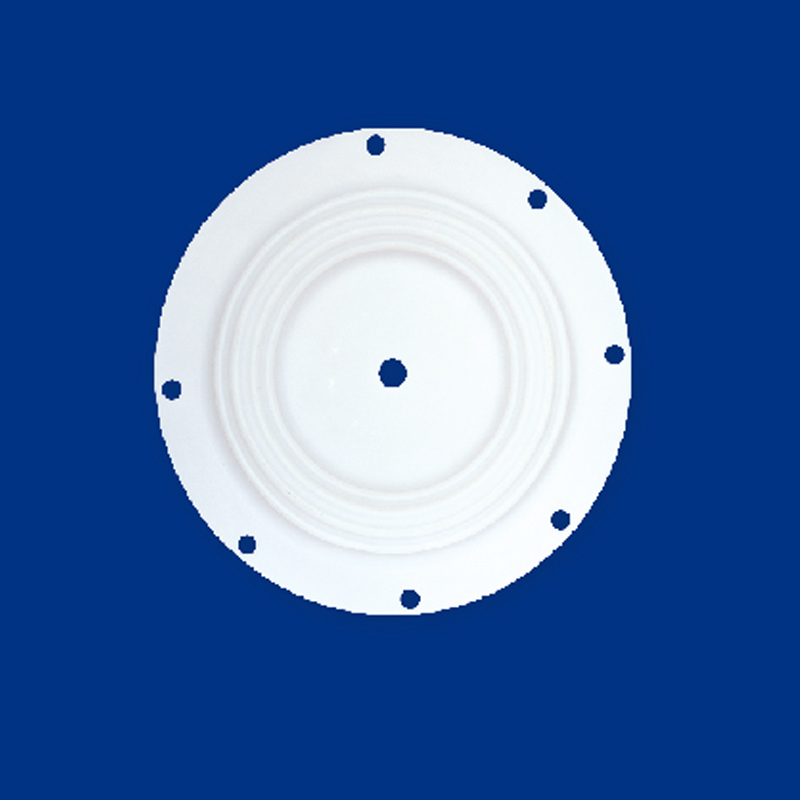



Gansu Juxiang Fluoroplastics Technology Co.,Ltd. is a fluoroplastic manufacturer based in Yumen City, Gansu Province, producing PTFE diaphragms and balls for metering pumps, diaphragm pumps and diaphragm valves. The range sits inside a wider fluoroplastic programme that includes PTFE sheets, rods, tubes, gaskets, seals and machined components, so a pump overhaul can be supplied as a matched set rather than as separate purchases. We work from drawings or samples and match resin grade, wall thickness and backing construction to the pump head or valve body the part has to serve.
As a PTFE Diaphragm、Ball manufacturer, we hold both halves of the sealing pair in one production route: the flexible element that separates process liquid from the drive, and the sphere that closes against the seat. Dual production bases in Zhejiang and Gansu support scheduling across standard and custom work.
What We Manufacture in This Category
PTFE diaphragms and balls start from suspension-polymerized PTFE resin, formed by molding, skiving and shaping. After treatment the diaphragm can be combined with rubber, metal or adhesive systems, which is how a single PTFE element carries both the chemical duty and the mechanical stroke of a pump head. We mold and machine to the customer's drawing, keeping the ball and the diaphragm in the same material family so the two wear together inside the valve chamber.
- Molded PTFE diaphragms — shaped in the mold to the cavity profile, with sealing bead and centre boss formed in one piece.
- Skived PTFE diaphragms — cut from compression-molded billet and finished to thickness for flat or lightly formed pump heads.
- Rubber-backed composite diaphragms — PTFE facing bonded to an elastomer backing that carries the stroke load.
- Metal-backed composite diaphragms — PTFE facing with a metal insert for higher pressure duty and stable bolt clamping.
- PTFE balls — molded or machined spheres for check valves and ball valves, matched to seat angle and housing lift.
| Product form | Construction | Typical fit | Data we need |
|---|---|---|---|
| Molded diaphragm | Suspension PTFE, compression molded to cavity profile | Metering and diaphragm pumps with a formed, convoluted element | Cavity drawing, stroke, differential pressure |
| Skived diaphragm | Compression-molded billet, skived and finished | Flat or lightly formed pump heads and replacement elements | Diameter, thickness, bead profile |
| Rubber-backed diaphragm | PTFE facing bonded to elastomer backing | Higher stroke deflection where the elastomer carries load | Backing hardness, bond area, cycle target |
| Metal-backed diaphragm | PTFE facing with metal insert | Higher pressure duty with stable flange clamping | Insert material, bolt torque, flange geometry |
| PTFE ball | Molded or machined sphere | Check valves and ball valves in the same process media | Diameter, sphericity, seat angle, lift |
Where the Parts Sit in the Process
Both products are passive components inside the fluid path, so their behaviour is set by the pump or valve around them. In metering and diaphragm pumps the diaphragm separates the process liquid from the hydraulic or pneumatic drive; in diaphragm valves it seals the flow passage against the compressor stroke. PTFE's chemical inertness and low friction make it the default facing material for aggressive dosing, and the ball form is used where a check element must resist the same media.
- Chemical dosing and metering skids handling acids, caustics and solvents
- Water and wastewater treatment with coagulants, hypochlorite and polymer
- Petrochemical and fine chemical transfer where elastomer-only elements swell or degrade
- Semiconductor wet processing and high-purity chemical delivery
- Pharmaceutical and medical dosing equipment requiring a non-reactive wetted face
Where a pump uses a filled PTFE guide or seat, we align the counterface material so the ball does not run against an incompatible surface; our filled PTFE tube and rod range covers those machined companions.
Material Data and Critical Specifications
The base resin data below is the reference point for a diaphragm or ball quotation; the finished part is then defined by geometry, backing and surface condition.
| Property | Unit | Result |
|---|---|---|
| Density (apparent density) | g/cm³ | 2.10–2.30 |
| Tensile strength (min) | MPa | ≥30 |
| Elongation at break (min) | % | ≥300 |
Density, tensile strength and elongation describe the resin, not the finished diaphragm. Stroke life depends on convolution radius, facing thickness, clamping geometry and the pressure differential across the element, so we work from the cavity drawing rather than a nominal size alone.
- Outside diameter, bolt circle, bead profile and centre boss height
- Convolution or dome geometry, and the deflection the pump stroke imposes
- Facing thickness and backing thickness measured at the clamped edge
- Ball diameter, sphericity, surface finish and seat contact angle
- Media, concentration, temperature and differential pressure
- Required cycle life and the inspection points that define acceptance
Configuration and Interface Engineering
Composite construction is where most of the engineering sits. A PTFE facing bonded to rubber or metal has to hold its bond through repeated flexing, and the backing has to meet the pump's stroke plate without adding stress at the bead. We review the pump model, the diaphragm cavity drawing and the stroke rate before fixing the construction, then adjust mold and process parameters where the profile needs a different radius or a thicker clamped edge.
Balls are matched to the seat they close against. Seat angle, guide clearance and lift determine how the ball seats and how quickly it responds, while the finish of the sphere affects both sealing and wear. Where the mating seat is a modified PTFE grade, our modified PTFE sheet stock gives us the same resin family for the seat and the ball.
Production Control, Acceptance and Documentation
Production parameters are monitored in real time and checked against the agreed process route rather than corrected after the fact. Our two production bases in Zhejiang and Gansu allow a project to be scheduled across both sites when it combines standard items with custom parts. Finished diaphragms and balls are checked against the drawing before packing, with the inspection scope fixed at quotation stage.
- Dimensional report against the approved drawing
- Visual inspection of the sealing bead, facing and sphere surface
- Resin batch data for the production lot
- Usage guidance covering storage, clamping and running-in
- Packing that protects the bead and the sphere during transport
Information We Use to Configure Your Solution
A workable quotation needs the operating point, not just a part number. The list below is what our technical team reviews before proposing a construction, a mold route and a price.
- Pump or valve make and model, plus the diaphragm cavity or seat drawing
- Nominal dimensions with tolerances, and any critical fit at the clamped edge
- Stroke length, stroke rate and expected cycle life between replacements
- Process medium, concentration, temperature and differential pressure
- Backing preference: plain PTFE, rubber-backed, metal-backed or adhesive-bonded
- Ball seat angle, guide clearance and lift, where a ball is included
- Annual quantity, first-order quantity and whether a spare-part schedule is planned
- Documentation, labelling and packing requirements for the destination
Packing, Delivery and Spare-Part Continuity
Diaphragms are packed to protect the sealing bead and facing, and balls are packed by size to avoid contact damage in transit. Repeat orders are produced to the same drawing and process route, which keeps a spare-part programme consistent across pump models and sites. We export to more than 30 countries and quote against the drawing set supplied with each enquiry.
Customer Questions
Can you produce a diaphragm to a pump manufacturer's part drawing?
Yes. We mold or machine to the supplied drawing or to a physical sample, and we review the cavity profile, bead geometry and stroke before releasing the process route. Where a drawing leaves the backing open, we propose the construction that suits the pressure and cycle target.
Which construction suits a high-cycle metering pump?
High-cycle duty usually calls for a composite element: a PTFE facing for chemical resistance with a rubber or metal backing to carry the stroke load. The deciding inputs are deflection, differential pressure and the clamping method at the bead, so we size the facing and backing together rather than treating the PTFE layer alone.
Do you supply the ball and diaphragm as a matched set?
We do. Both parts are produced from the same PTFE family, and where the valve seat is also a fluoroplastic component we align the material pair so the ball runs against a compatible counterface. Sets are packed together when the order covers a complete pump rebuild.
What do you need to return a quotation?
Send the pump or valve model, the cavity or seat drawing, the medium and operating temperature, the pressure differential, the expected cycle life and the required quantity. With those inputs we confirm the construction, the mold or machining route and the inspection scope in the quotation.
Related Products and Categories
Our portfolio also includes Products for applications with different operating ranges, interfaces or integration requirements.