

 русский
 Deutsch
 عربى






Fluoroplastic Sealing Components for Pumps and Valves
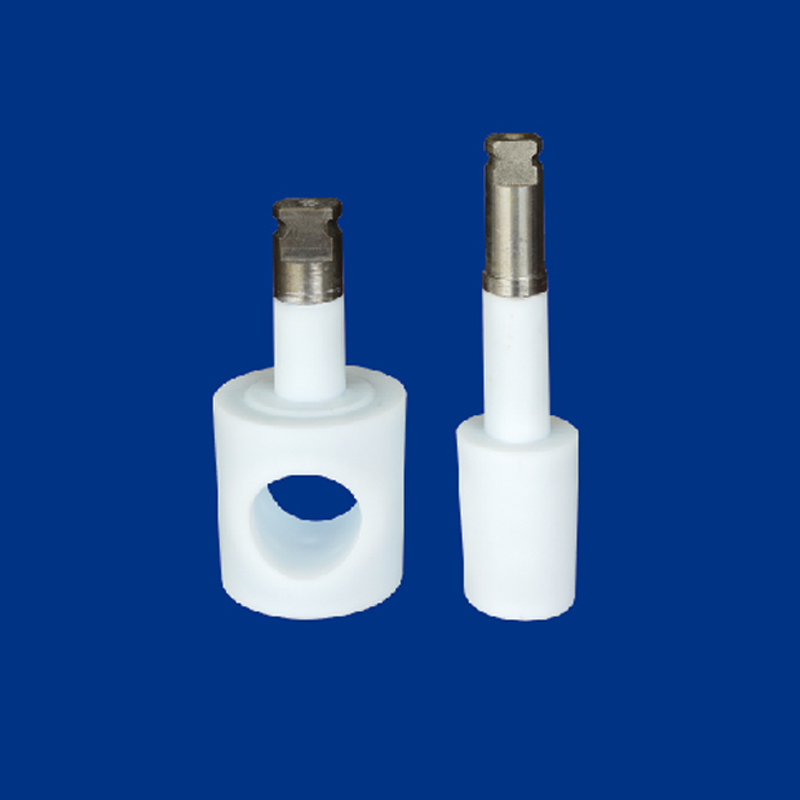
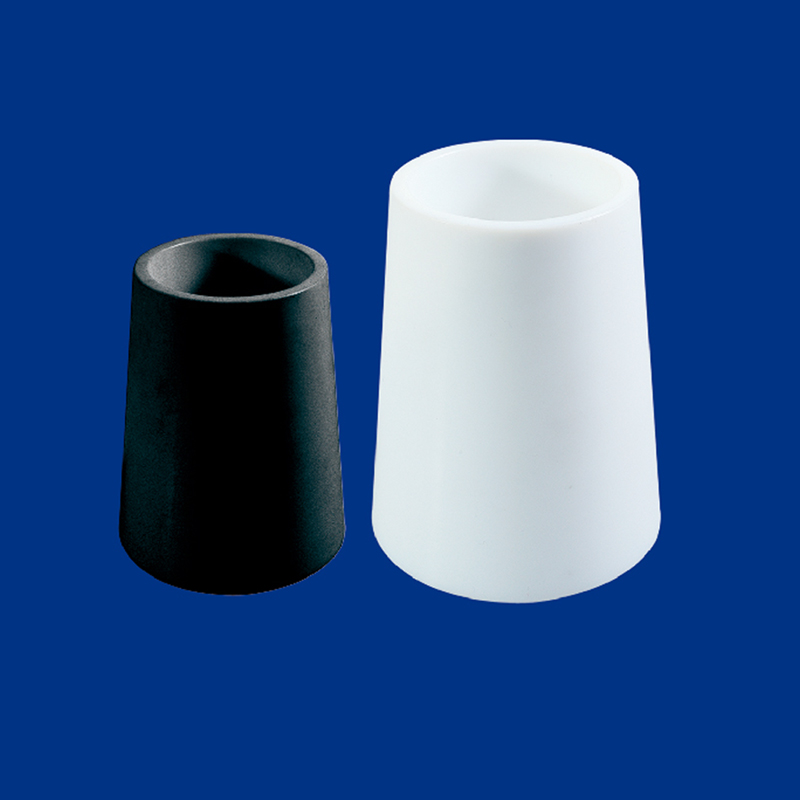
Gansu Juxiang Fluoroplastics Technology Co.,Ltd. manufactures the sealing parts that decide whether a valve isolates and a pump holds its efficiency: ball and butterfly valve seats, stem sealing gaskets, piston rings, guide and wear tapes, universal seals, gland packing and flange gaskets. We produce them in virgin PTFE, modified PTFE, filled PTFE and higher-performance fluoroplastics, molded or machined to the customer's drawing.
The company works from Yumen City, Gansu Province as a joint venture of Zhejiang Jiaxiang Fluoroplastics Co., Ltd. and Gansu Juhua New Materials Co., Ltd. of the Juhua Group, with production bases in Zhejiang and Gansu. Our Pump and Valve Sealing Series Products manufacturer scope covers standard sealing shapes as well as project parts developed from a physical sample, a groove dimension or a complete assembly drawing.
Range and Where Each Part Sits
Sealing duty inside a pump or valve is never a single condition. A seat insert carries compressive load and sliding contact, a stem gland moves under pressure, a piston ring runs dry against a cylinder wall, and a flange gasket absorbs bolt load, thermal cycling and aggressive media at the same time. The range is organised around those interfaces rather than around one material grade.
| Product family | Position in the pump or valve | Material route | Duty fit |
|---|---|---|---|
| Ball valve seat and stem sealing gasket | Seat insert, stem thrust face, stem packing | Glass-, carbon- or bronze-filled PTFE, modified PTFE, PEEK | Bubble-tight shut-off, high cycle counts, chemical isolation |
| PTFE universal seal and V-ring set | Rotary shaft and stem sealing | Filled PTFE with elastomer energiser | Dry running, low friction, replacement of lip seals |
| Piston ring and guide tape | Reciprocating piston, rod guide bush | Glass- or carbon-filled PTFE, bronze-filled PTFE | Non-lubricated air, hydraulic service, side load control |
| Gland packing | Valve stem and pump stuffing box | Braided PTFE, PTFE and graphite combinations | Steam, slurry, high-temperature stems |
| Flange and envelope gasket | Pipe joints, valve bonnets, manways | Expanded PTFE, modified PTFE, PTFE envelope with insert | Chemical lines, glass-lined and lined equipment |
| Diaphragm and ball | Diaphragm valve, check valve element | Modified PTFE, PTFE | High purity, corrosive media, hygienic circuits |
| O-ring and encapsulated O-ring | Static and slow dynamic seals | Rubber core, FEP or PFA encapsulation | Aggressive media, gas sealing, low swell |
| Thread seal tape | Threaded pipe and instrument joints | PTFE | General service, stainless and alloy systems |
Where the design allows, we supply the sealing set as a matched group rather than as loose items: seat, stem seal and body gasket for a ball valve, or piston ring, guide tape and rod seal for a reciprocating pump. Fits, filler grades and surface finishes then come from one production route.
Material Selection Against Process Conditions
Filler choice changes the balance between creep resistance, friction, wear and chemical resistance, and the same PTFE family can behave very differently across those four measures. We select the grade against the medium, the temperature at the seal, the pressure differential and the motion pattern, then confirm it with the customer before tooling or molding.
- Virgin PTFE — maximum chemical inertness and the lowest friction coefficient; suited to low-load static seals, diaphragms and thread sealing where creep is not the limiting factor.
- Modified PTFE — reduced creep and permeation with the same broad chemical resistance; used for seats, gaskets and large sealing frames where dimensional stability under bolt load matters.
- Glass-fibre filled PTFE — higher compressive strength and wear resistance; the abrasive effect on soft metal seating faces is considered at the design stage.
- Carbon and graphite filled PTFE — low wear in dry-running and non-lubricated air service, with electrical conductivity where static discharge is a concern.
- Bronze filled PTFE — high pressure-velocity capability for hydraulic and high-load bearing duties; not selected for aggressive acids.
- PEEK, PI, PFA and PVDF — applied where temperature, pressure, purity or creep limits take the duty beyond what PTFE compounds will hold.
Media such as concentrated sulphuric acid, caustic, chlorine, solvents, steam and high-purity DI water each narrow the choice, and permeation through a thin lip is often the deciding factor rather than bulk chemical attack. Temperature at the sealing interface, not line temperature, drives the final grade.
Configuration and Dimensional Control
Sealing parts are produced by compression molding, isostatic molding, skiving or CNC machining from rod, tube and sheet, and the route is chosen from the wall thickness, the quantity and the tolerance band. Molded parts are annealed to relieve stress before final machining, which keeps seat diameters and gasket thickness stable through the first thermal cycles in service.
- Seat outside and inside diameter, seat angle, flatness and concentricity held to the drawing.
- Groove fill ratio and installed compression checked against the housing dimensions, not only the free part.
- Thermal expansion allowance built into the fit for seats and piston rings running above ambient.
- Surface finish and edge radius specified for the contact face, with burr-free edges on dynamic seals.
- Anti-extrusion gaps and back-up arrangements reviewed where pressure approaches the material limit.
Quality Evidence and Acceptance
Incoming resin is checked against the declared grade before release to production, and each batch is tracked from compound through molding and machining to the packed carton. Dimensional inspection runs against the approved drawing, with the inspection plan, sampling level and documentation package fixed at order confirmation.
- Resin batch reference and compound identification retained for the delivered lot.
- Dimensional report on the characteristics marked critical by the customer.
- Certificate of conformity and material declaration where the project requires them.
- First-article parts for fit and bench testing before series release on new tooling.
- Company certification records available for review during supplier qualification.
Installation, Spares and Serviceability
A correctly specified seal still fails if it is stored or fitted badly. PTFE parts are supplied flat-packed or in rigid tubes, kept out of direct sunlight and away from heavy compression before use, and installed with clean tools and the specified bolt torque sequence. For oxygen and high-purity service we supply parts degreased and double-bagged.
- Replacement sets identified by drawing number, material grade and valve or pump model.
- Wear parts such as guide tapes, piston rings and packing rings supplied as repeatable items for maintenance stock.
- Assembly guidance covering lubrication, torque and compression limits issued with the delivery.
Information We Use to Configure Your Solution
A quotation that holds up in service is built from the working point, not from a part number alone. The following inputs let us fix the material grade, the molding route and the inspection scope before production starts.
- Medium, concentration and any suspended solids, plus the material of the mating seat, stem or cylinder.
- Operating temperature range at the seal, maximum pressure differential and vacuum condition.
- Motion type and frequency: static, slow cycling, rotary, reciprocating, dry running.
- Valve or pump type, size and pressure class, with the relevant standard or OEM part reference.
- Dimensional drawing or physical sample, including groove dimensions and surface finish.
- Quantity per order, annual volume and whether the part is for OEM series or maintenance replacement.
- Documentation, packaging and marking requirements, and any end-user specification to be met.
Frequently Asked Questions
Can you produce seals from a sample instead of a drawing?
Yes. Development from a physical sample is part of our customization work. We measure the part, reconstruct the drawing for approval, and confirm the material grade before molding or machining the first batch.
Which PTFE grade suits a ball valve seat in concentrated acid?
For strong acids at moderate temperature, modified PTFE or a glass-filled grade is usually the starting point, with the filler level set by the pressure class and cycle frequency. Where the duty runs hot or the pressure approaches the creep limit of PTFE, we propose PEEK or a PFA-lined arrangement instead.
Do you supply complete sealing sets for a valve or pump overhaul?
We supply matched sets — seat, stem seal, body gasket, guide elements and packing — so the fits and grades are consistent across the assembly. Sets are labelled by drawing number and equipment model for maintenance stores.
How are orders packed and shipped from China?
Sealing parts are packed to protect the sealing faces, with desiccant and double bagging for high-purity items, and marked according to the agreed labelling. Export documentation follows the destination and the terms confirmed on the order.
Related Products and Categories
Our portfolio also includes Products, Modified PTFE Gasket, Modified PTFE Sheet for applications with different operating ranges, interfaces or integration requirements.