

 русский
 Deutsch
 عربى
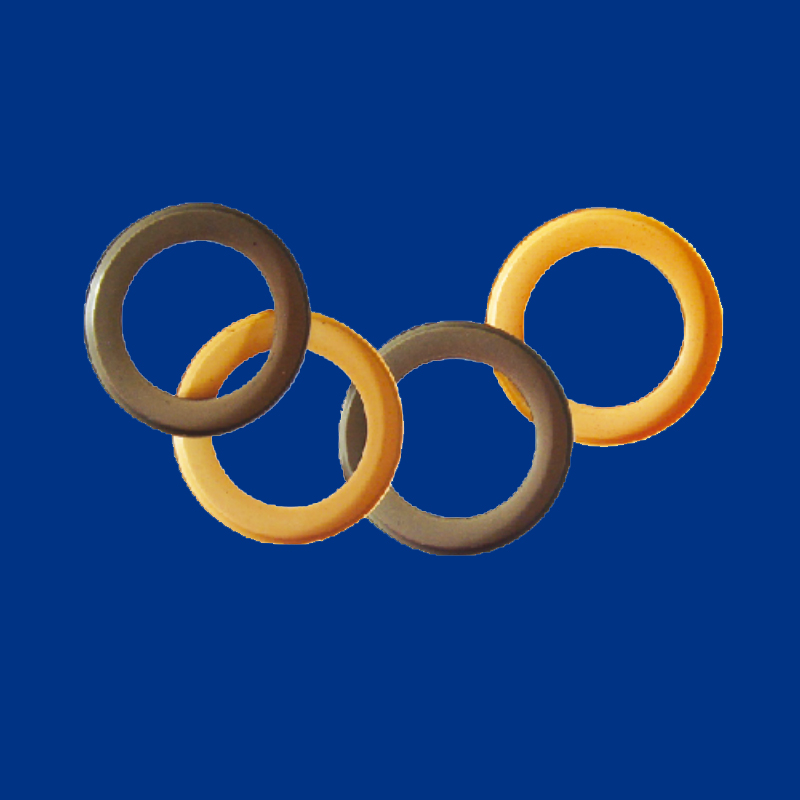
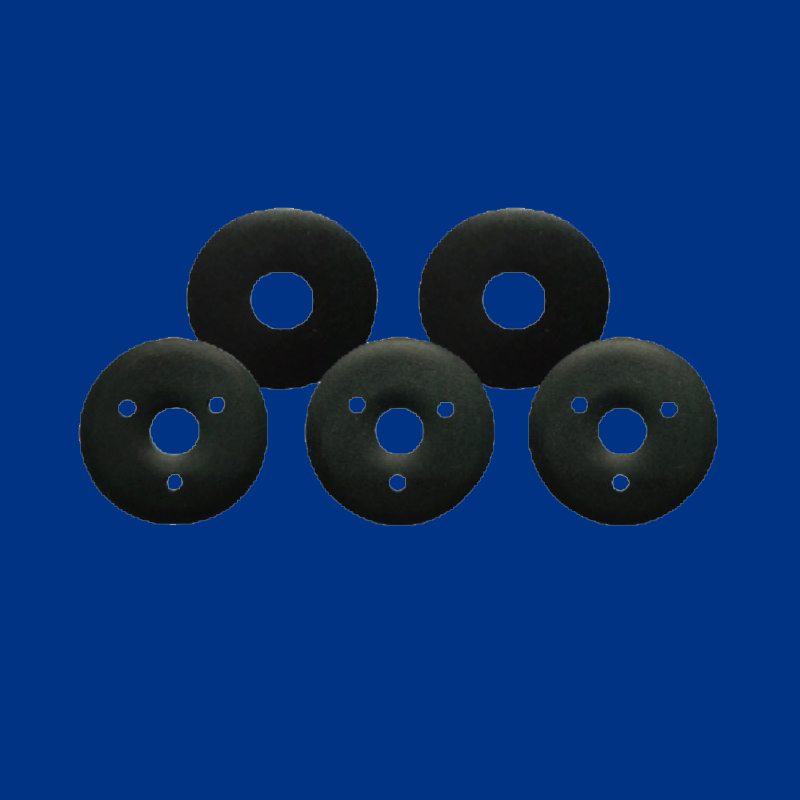
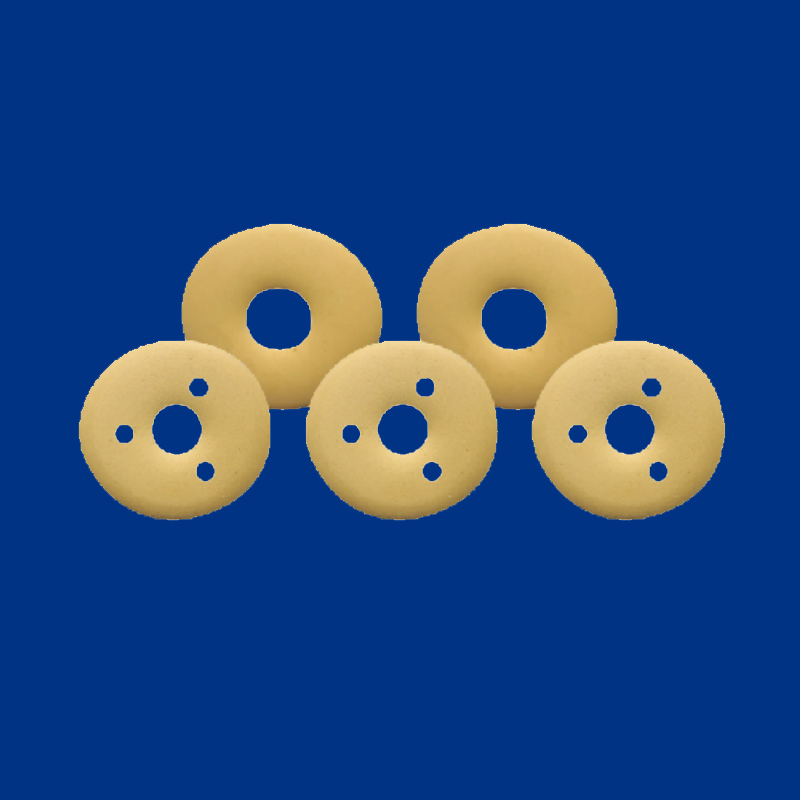
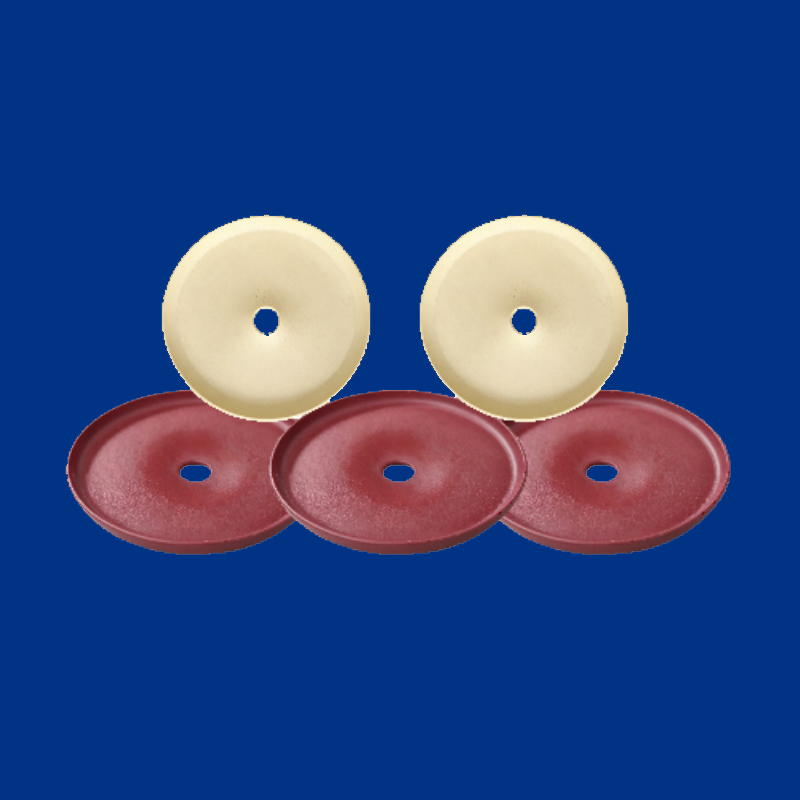



Gansu Juxiang Fluoroplastics Technology Co.,Ltd. is a fluoroplastic manufacturer based in Yumen City, Gansu Province, with a second production base in Zhejiang. As a PTFE Brake Ring manufacturer, we supply both published grade profiles and finished rings machined to customer drawings for hydraulic and pneumatic brake circuits, clutch actuation, brake valves and actuator assemblies. The brake ring family sits inside a wider programme covering PTFE, PFA, FEP, PEEK, PI, PCTFE and PVDF components, so a ring project can be matched with the piston elements, guide surfaces and seals that run against it in the same housing.
The PTFE Brake Ring Range We Manufacture
The range is built around four published grades, JUXIANG-118510 through JUXIANG-118513. Each is characterised by tensile strength, elongation at break, apparent density and dynamic coefficient of friction — the numbers that decide how a ring behaves against a bore under pressure and sliding contact.
| Grade | Tensile strength (min) | Elongation at break (min) | Apparent density | Dynamic friction | Friction class |
|---|---|---|---|---|---|
| JUXIANG-118510 | ≥ 20 MPa | ≥ 200 % | 1.9–2.0 g/cm³ | 0.16 | Medium |
| JUXIANG-118511 | ≥ 18 MPa | ≥ 180 % | 2.15–2.2 g/cm³ | 0.18 | Highest in range |
| JUXIANG-118512 | ≥ 18 MPa | ≥ 180 % | 1.9 g/cm³ | 0.12 | Lowest in range |
| JUXIANG-118513 | ≥ 20 MPa | ≥ 200 % | 1.9–2.2 g/cm³ | 0.16 | Medium |
Grade 118512 carries the lowest friction in the family at 0.12, while 118511 sits at 0.18 with the highest apparent density. Where a drawing or a customer specification names a particular balance of strength and friction, we confirm the grade before production and release the corresponding property data with the order.
Where PTFE Brake Rings Fit
Brake rings work as low-friction sealing, guide or back-up elements in circuits where an elastomer alone would swell, grab or wear out. PTFE is inert to DOT brake fluid, mineral oil and dry air, and its service temperature band covers the heat soak that builds up around calipers, valves and compressors.
- Hydraulic brake calipers and wheel cylinders — piston sealing and guide rings
- Air brake valves, relay valves and pneumatic boosters — low-friction dynamic seals
- Clutch master and slave cylinders — piston rings with controlled breakaway force
- Brake and clutch actuation on commercial, agricultural and off-highway vehicles
- Compressor and actuator assemblies requiring oil-free sliding contact
- Back-up rings behind elastomer seals in high-pressure brake circuits
Rings are usually specified alongside other fluoroplastic parts in the same assembly. Our PTFE piston ring range covers the piston-side sealing element, and PTFE guide tape handles guide and wear surfaces where a ring profile is not the right answer.
Critical Specifications That Set the Design
A brake ring is defined by the bore it runs in and the duty it sees, not by a catalogue size. The variables below drive both grade selection and geometry, and they are the first things we check against a new drawing.
- Working pressure and pressure cycles, including spikes during ABS or emergency braking
- Sliding speed and stroke length, used to check the pressure-velocity load against the grade
- Bore material and finish — steel, stainless, aluminium or a coated bore, with the hardness and roughness that go with it
- Fluid or gas: DOT 3/4 brake fluid, mineral oil, air, or a dry-running arrangement
- Operating and heat-soak temperature, including short excursions near the caliper
- Required breakaway and running friction, and the actuation hysteresis the system tolerates
- Radial wall thickness, axial height and groove fill ratio
- Target service interval and permissible wear allowance
Where a bore is soft or coarsely finished, the lower-friction grade reduces the risk of pick-up and smearing; where the ring carries structural load, the higher-density grade gives more margin against deformation. We confirm that combination against the application data before a drawing is released.
Geometry, Configuration and Installation
Brake rings are compression moulded or machined from PTFE tube, rod and sheet, depending on section and quantity. Thin radial walls and small batches favour machining from filled PTFE tube and rod; larger volumes and near-net profiles favour moulding.
- Outside and inside diameter, radial wall and axial height to drawing
- Gap type — butt, angle cut, step cut or scarf — with gap width set for thermal expansion
- Chamfer, radius and edge break to protect the ring during fitting
- Concentricity and wall-thickness variation around the circumference
- Running-face finish, with no machining marks across the sealing path
- Groove dimensions and fill ratio confirmed against the housing drawing
- Orientation marking where the profile is asymmetric
Installation matters as much as the part. PTFE rings do not stretch like elastomer seals, so they are fitted over a tapered sleeve or expanded with a dedicated tool and then sized in the groove. We supply fitting guidance with the first order and review the groove drawing against the ring section before release.
Quality Control, Documentation and Delivery Scope
Inspection follows the released drawing. Dimensions on the running face, wall thickness, gap width and squareness are checked against specification, and the material is verified against the grade sheet for the batch.
- Dimensional inspection record against the approved drawing
- Material grade and property data matching the ordered grade
- Batch identification retained through packing and dispatch
- Handling and cleanliness controls for rings with finished running faces
- Individual protection, then bulk packing sized for manual or automated assembly
- Export packing and shipping documentation prepared for the destination market
Both production bases — Yumen in Gansu and the Zhejiang site — work to the same released drawing for a given part, which keeps a repeat order consistent when volume moves between sites. Rings ship to more than 30 countries, and enquiries reach a technical response within 12 working hours.
Information We Use to Configure Your Solution
A proposal is only as good as the data behind it. The list below is what we need in order to price and release a brake ring that performs in the assembly rather than only on paper.
| Project input | How it changes the proposal |
|---|---|
| 2D drawing or 3D model with tolerances | Sets the machining or moulding route, the inspection plan and the price |
| Bore material, hardness and surface finish | Drives grade choice and the running-face finish we apply |
| Pressure range, stroke and cycle rate | Used to check pressure-velocity load and expected wear life |
| Fluid or gas and temperature profile | Confirms PTFE compatibility and the expansion allowance at the gap |
| Annual quantity and order pattern | Decides moulding versus machining and how the batch is scheduled |
| Groove and housing dimensions | Verifies fill ratio, radial wall and installed clearance |
| Acceptance and documentation requirements | Defines the inspection record, property data and traceability supplied |
| Packing, marking and destination | Sets protection level, carton format and export paperwork |
Questions We Answer Before Release
Which grade should I specify for a brake caliper piston ring?
Start from the friction and load requirement. JUXIANG-118512 at 0.12 dynamic friction suits bores where pick-up or actuation hysteresis is the limiting factor, while 118511 at 0.18 with 2.15–2.2 g/cm³ apparent density suits positions where the ring carries more load and dimensional stability matters more than the lowest possible friction. Send the bore material, pressure range and stroke and we will confirm the grade against the working point.
Can you machine brake rings to our drawing instead of supplying standard sizes?
Yes. Custom manufacturing is our core service, and we develop and produce fluoroplastic parts strictly to customer drawings or samples. Diameters, radial walls, axial heights, gap styles and edge breaks are all produced to the released drawing, with the inspection record matching the same document.
What is the difference between a PTFE brake ring and a PTFE piston ring?
Both are dynamic rings, but they are designed around different duties. A brake ring is sized for the brake or clutch circuit — short strokes, high pressure and a defined breakaway force — while a piston ring is generally configured for longer stroke compressor and actuator service. Where an assembly uses both, we keep the two profiles on one drawing set so the groove stack is consistent.
What do you need to quote a brake ring order?
A drawing or sample with tolerances, the bore material and finish, the pressure and speed data, the fluid and temperature, the annual quantity, and any acceptance or packing requirements. With those in hand we return a configuration and quotation, and where a detail is open we raise it before production rather than after.