

 русский
 Deutsch
 عربى
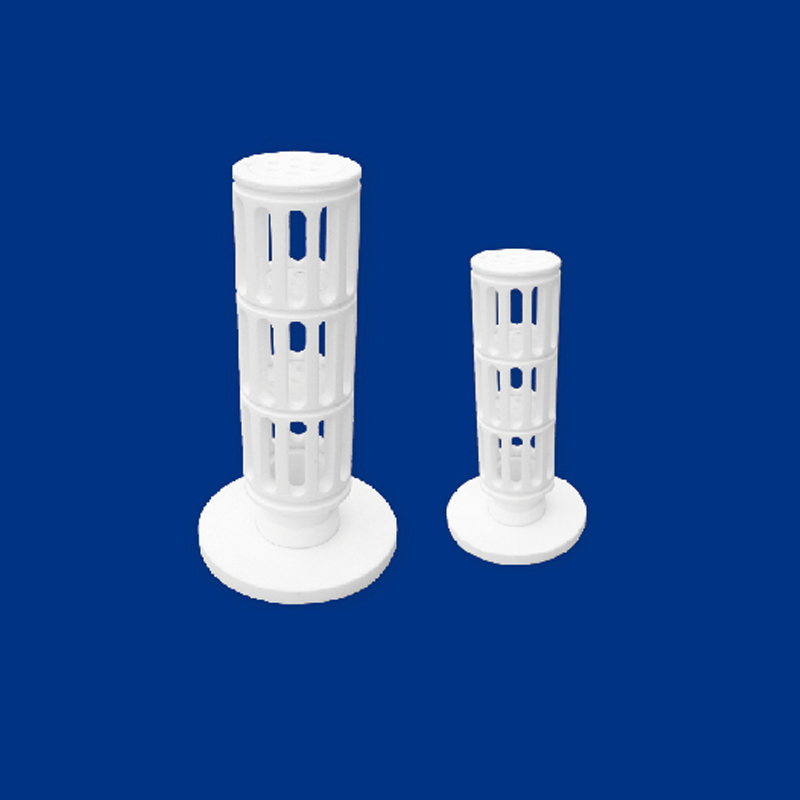
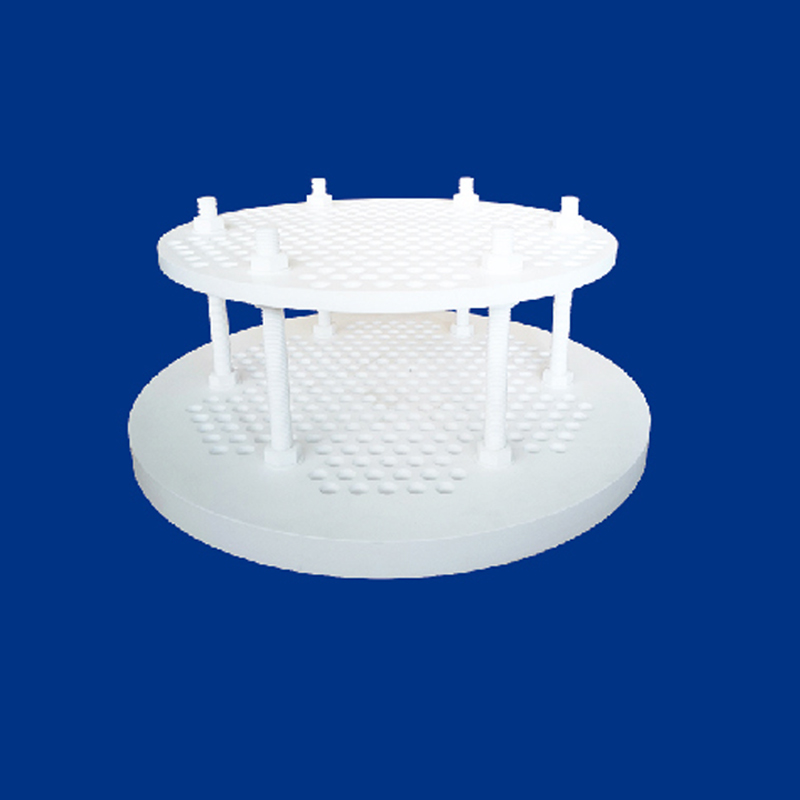
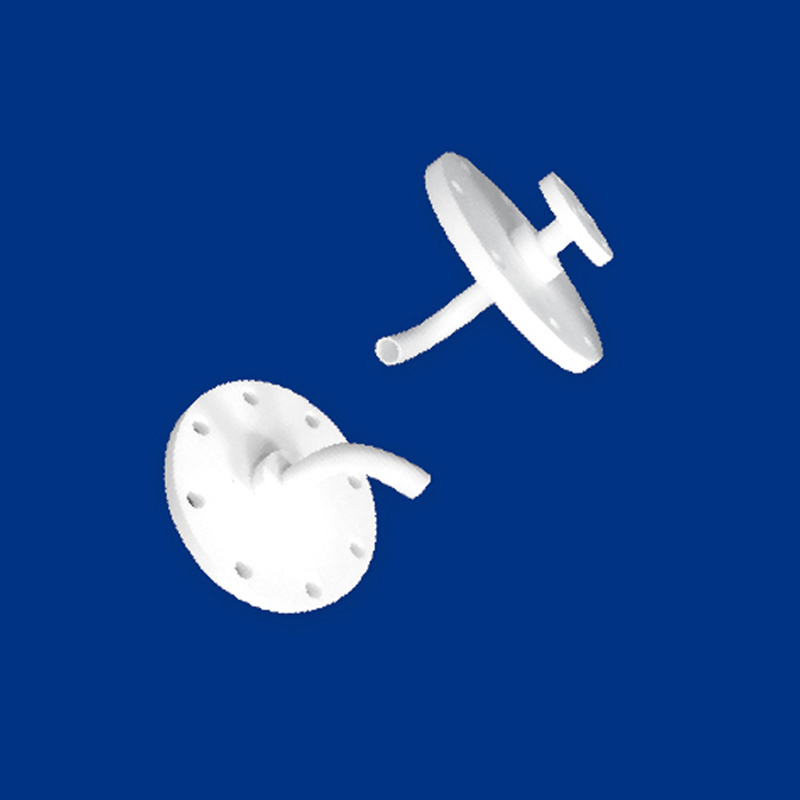
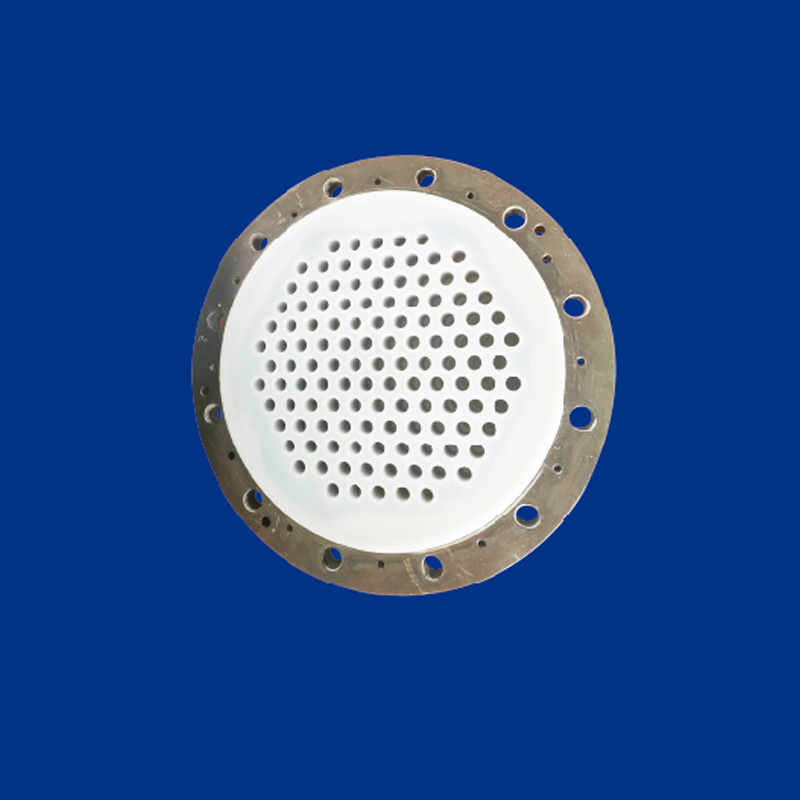

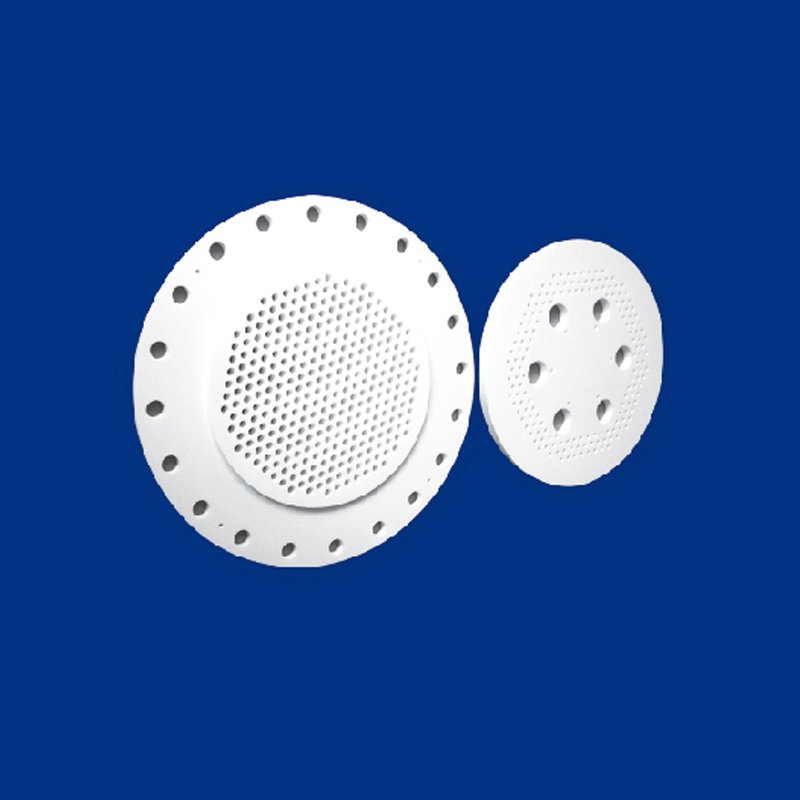
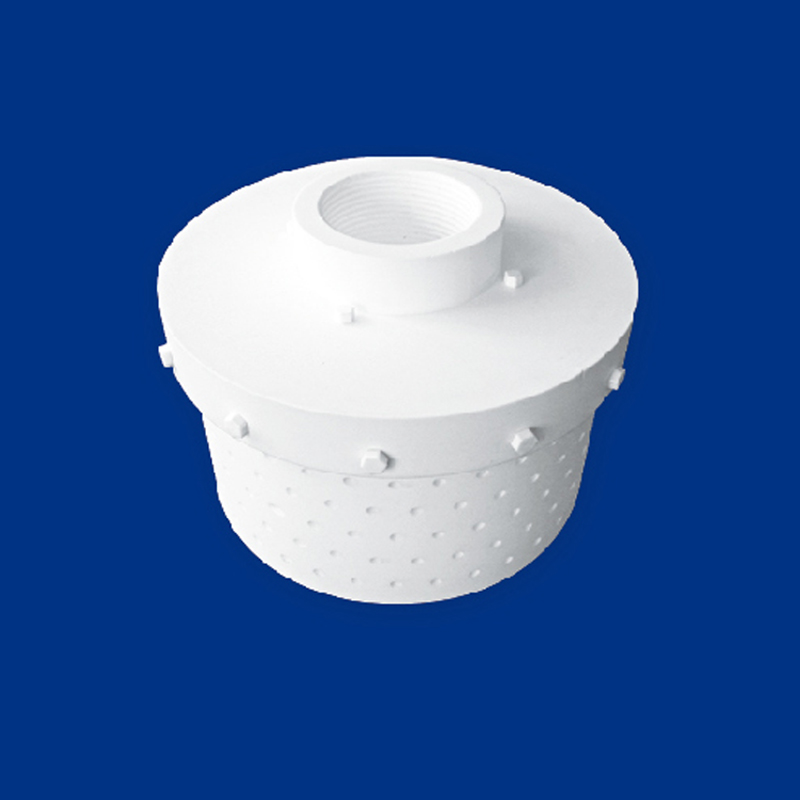
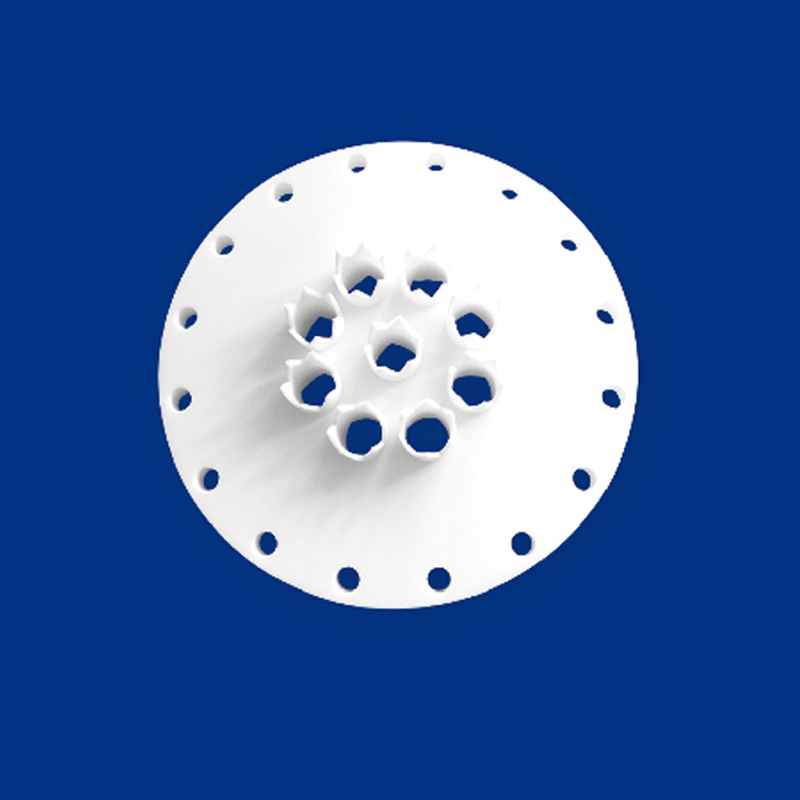
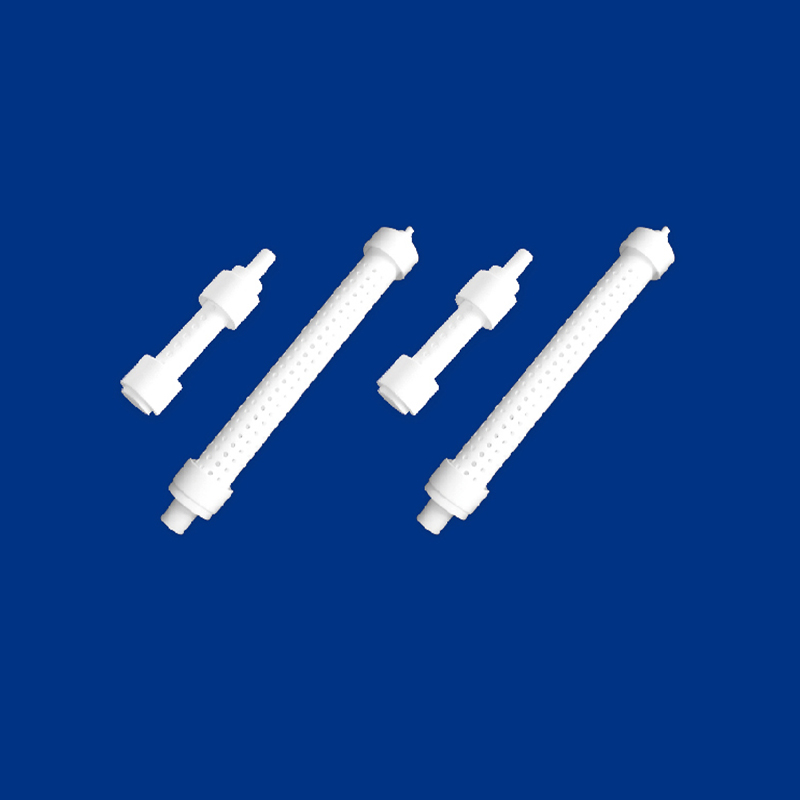

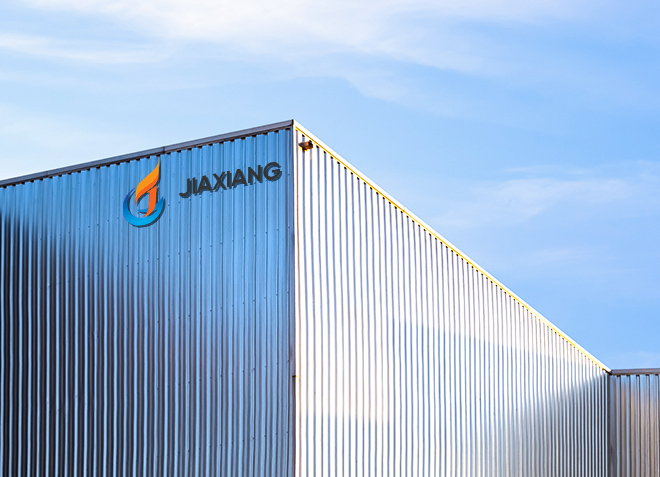



Gansu Juxiang Fluoroplastics Technology Co.,Ltd. is a PTFE Fluid Field Products manufacturer supplying the sealing, guidance and flow-path components that sit inside pumps, valves, chemical pipelines and high-purity fluid systems. We mold, sinter, machine and inspect fluoroplastic parts to customer drawings from two production bases in Zhejiang and Gansu, working in virgin and modified PTFE, filled PTFE compounds, PFA, FEP, PCTFE, PEEK, PI and UHMW-PE.
The range is organised around the wear and sealing points of fluid-handling equipment: ball valve seats and stem seals, diaphragms, piston rings, guide tapes, flange gaskets, gland packing and thread sealants, together with the filled PTFE tube and rod stock from which replacement parts are cut. Quotations are built against the working point — medium, pressure, temperature and motion — rather than against a catalogue number alone.
The Range We Supply for Fluid-Handling Equipment
Fluid field parts fail or hold on small details: seat geometry, groove width, filler type, cut angle on a guide tape, the seating stress a gasket can survive. Our product families are grouped so that a complete sealing set for a valve, pump or pipeline flange can be sourced and matched as one package.
- Valve seats and stem sealing gaskets. Molded or machined seats, thrust washers and stem seals for ball valves, butterfly valves and plug valves in chemical, water and process duty.
- Diaphragms and balls. PTFE and modified PTFE diaphragms and balls for diaphragm valves, dosing pumps and metering equipment where elastomer contact is not acceptable.
- Piston rings and guide elements. PTFE piston rings, rider rings and guide tapes for reciprocating compressors, actuators and rotary shafts, including slotted and scarf-cut formats.
- Flange gaskets and envelope gaskets. Expanded PTFE sheet and ring gaskets, PTFE envelope gaskets over an elastomer core, and reinforced composite gaskets for pipe flanges, tank mouths and column connections.
- Packing and thread sealants. Braided gland packing, unsintered thread seal tape and jointing tape for stem sealing and threaded pipework.
- Universal seals and O-ring assemblies. PTFE universal seals, encapsulated O-rings and composite sealing elements for combined rotary and static duty.
- Stock shapes for repair and replacement. Filled and modified PTFE tube, rod, sheet and skived tape for on-site machining of obsolete or undocumented parts.
Matching Material to Duty
Virgin PTFE gives the widest chemical resistance and the lowest friction, but it creeps under sustained load and has limited wear resistance. Filled and modified grades trade a little inertness for dimensional stability, thermal conductivity and pressure-velocity capability. The table below shows how we normally align the family to the duty before a drawing is finalised.
| Product family | Typical fluid-field duty | Material options | Configuration points |
|---|---|---|---|
| Ball valve seats and stem seals | Quarter-turn isolation valves, chemical and water service | Virgin PTFE, modified PTFE, glass- or carbon-filled PTFE | Seat angle, stem bore, compression set, media swell |
| Diaphragms and valve balls | Diaphragm valves, dosing and metering pumps | Modified PTFE, PFA, PTFE/PFA composite | Flex life, bead geometry, thickness, stroke clearance |
| Piston rings and guide tapes | Reciprocating compressors, actuators, rotating shafts | Filled PTFE, self-lubricated tape, PEEK where loads are high | PV limit, groove width, cut angle, end gap |
| Flange and envelope gaskets | Pipe flanges, tank mouths, columns, heat exchangers | Expanded PTFE, PTFE envelope with elastomer core, glass-fibre backed sheet | Seating stress, bolt load, gasket factor, bore and bolt circle |
| Packing and thread seal tape | Valve stems, threaded joints, instrument fittings | Braided PTFE, unsintered PTFE tape | Density, width, temperature class, number of rings |
| Filled tube, rod and sheet | Replacement seals, machined bushes, wear pads | Glass fibre, carbon, graphite or bronze filled PTFE | Filler type and loading, stock diameter, stress relief |
| PFA and FEP tubing and liners | High-purity chemical delivery, semiconductor wet process | PFA, FEP, PTFE/PFA composite | ID/OD, surface finish, extractables, bend radius |
Critical Specifications We Work To
Every fluid field part is defined by more than its outline dimensions. We confirm the following with you before production, because each one changes either the compound, the molding route or the machining sequence.
- Media and concentration — acids, alkalis, solvents, steam, brine, high-purity chemicals, and any combination that rules out certain fillers.
- Temperature profile — continuous and peak values, including cleaning and sterilisation cycles that exceed normal running conditions.
- Pressure and cycling — static, pulsating or vacuum duty, and the number of operating cycles expected over service life.
- Motion and load — sliding speed, PV value, compression and recovery requirements for the installed groove.
- Interface dimensions — seat angle, groove width and depth, bore, bolt circle, flange standard and tolerance stack against the mating metal part.
- Compound data — density, tensile strength, elongation, hardness and, where required, electrical conductivity for static dissipation.
- Cleanliness and purity — extractables, particle limits and handling requirements for semiconductor and pharmaceutical fluid paths.
Configuration, Fit and Line Integration
Most fluid field orders are not single parts. They are a set that has to fit an existing valve body, pump head or flange pair, often with a metal component already in production. We work from your drawing, a physical sample, or a measured interface, and we return a proposed compound, process route and dimensional report for approval before the first lot runs.
- Molded near-net shapes for repeat volume, or CNC-machined parts for low quantities and non-standard sizes.
- Cut rings, endless rings, slotted tapes and adhesive-backed strips for guide and wear surfaces.
- Envelope gaskets with elastomer cores, glass-fibre backed sheet, and sodium-treated PTFE surfaces where bonding to a substrate is required.
- Kitting and set assembly so that seats, seals, guides and gaskets arrive matched to one valve or pump model.
- Grade marking, colour coding and packaging that keeps filled and unfilled compounds separated through storage and line-side handling.
Where a part interfaces with a control or actuation system, the sealing element is specified against the actuator's stroke, torque and cycle rate rather than in isolation, so that friction and breakaway torque stay inside the drive's capability.
Quality, Acceptance and Documentation
Production combines compounding, molding, sintering, sodium treatment, composite lamination and precision machining under one roof, which keeps material traceability intact from powder lot to finished part. Inspection follows the plan agreed at quotation stage: dimensions, appearance, compound identity and any functional check the project specifies.
- First-article samples for fit and pressure trials before series release.
- Dimensional inspection records and material batch identification issued with the lot.
- Third-party testing scope fixed in the order where a project requires independent verification.
- Documentation and usage guidance supplied with delivery, covering installation, torque and storage conditions.
- Replacement parts produced from retained drawings and samples for the life of the equipment.
Information We Use to Configure Your Solution
A complete enquiry shortens the path from drawing to delivered part. The list below is what our engineers review when preparing a configuration and quotation for fluid field components.
- Part drawings or samples, with the mating metal component dimensions where available.
- Equipment type, model and the position the part occupies in the fluid path.
- Media, concentration, temperature range and pressure class.
- Motion type, speed, cycle frequency and expected service interval.
- Quantity per unit, annual volume and delivery schedule.
- Required documentation, inspection level and any regulatory or industry standard the part must satisfy.
- Packaging, labelling and destination requirements for export shipment.
Frequently Asked Questions
Can you produce fluid field seals directly from our valve or pump drawing?
Yes. We manufacture to customer drawings and to physical samples. Send the drawing with the mating groove or seat dimensions, the media and the operating pressure and temperature, and we will confirm the compound, the molding or machining route, and the tolerances that need to be held on the sealing surfaces.
Which PTFE grade is right for a ball valve seat?
It depends on the duty. Virgin PTFE suits low-load, highly aggressive chemical service where inertness dominates. Modified PTFE and glass- or carbon-filled grades are used where pressure, temperature or cycle count would cause a virgin seat to creep or wear. We recommend a grade after reviewing media, pressure class, temperature and the torque available from the actuator.
Do you supply trial quantities before series production?
We do. First-article samples are produced for fit and pressure trials, and the approved sample becomes the reference for the production lot. This applies to molded seats and diaphragms as well as to machined parts cut from filled tube, rod and sheet.
How are parts traced and documented?
Each lot is identified by compound batch and production record, and inspection results are issued against the plan agreed at order stage. Where a project calls for third-party verification or a specific declaration, the test scope is written into the order before production begins.