

 русский
 Deutsch
 عربى


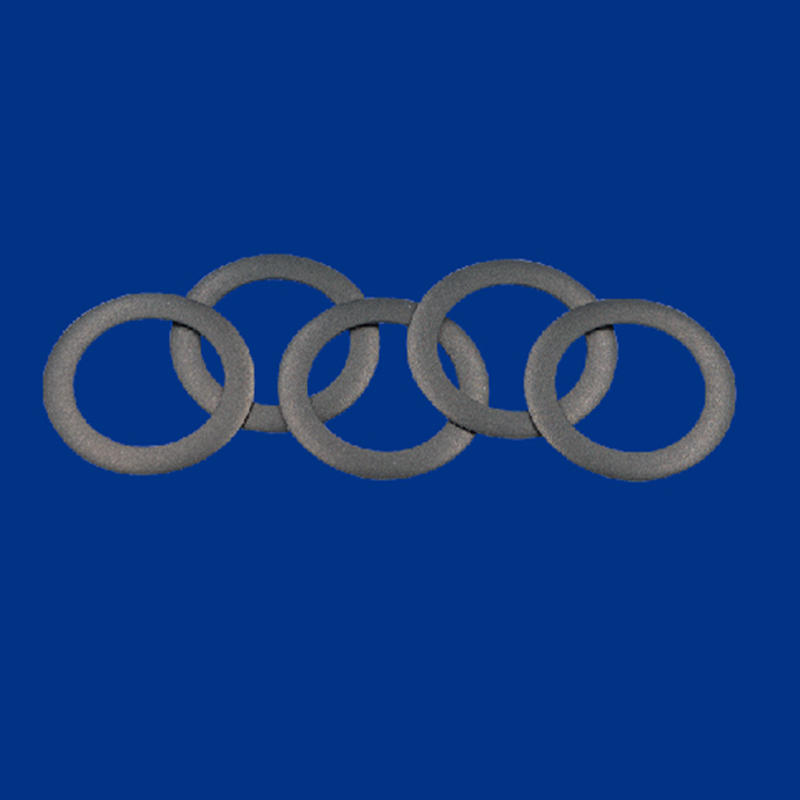
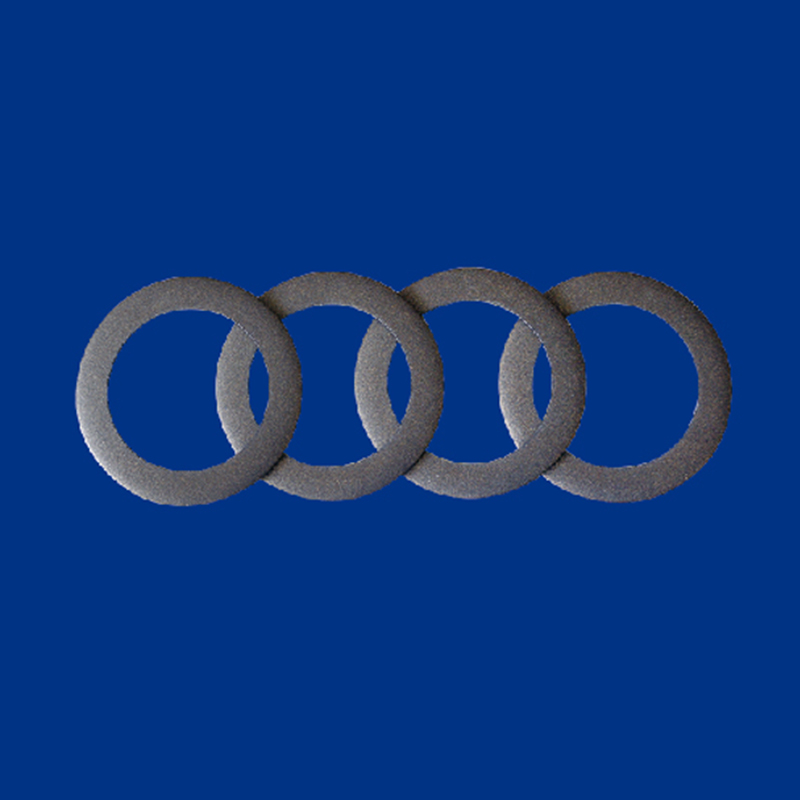


Gansu Juxiang Fluoroplastics Technology Co.,Ltd. is a PTFE Piston Ring manufacturer based in Yumen, Gansu Province, China. We produce piston rings in PTFE, modified PTFE and filled PTFE for hydraulic and pneumatic cylinders, reciprocating compressors, pumps, valves and rotary equipment. The range covers thin-section rings and drawing-based parts. Where the piston design requires a split ring, the joint style and gap are agreed from the groove and bore data.
Production is organized across Zhejiang and Gansu, which supports custom batches and repeat orders for OEM assemblies. Rings are machined to the approved drawing, with the compound and inspection basis fixed before production.
Product range and application fit
The PTFE piston ring range includes four published references and custom rings built to drawing or sample. Thin-section rings are used where axial space in the piston groove is limited; larger diameters suit wider grooves and higher radial loads. Each reference is a starting point for configuration, not a fixed catalogue part.
| Ring reference | Outside diameter | Inside diameter | Thickness | Order basis |
|---|---|---|---|---|
| JUXIANG-118609 | 25.6 mm | 20.2 mm | 0.8 mm | Drawing confirmation |
| JUXIANG-118603 | 29.5 mm | 24.1 mm | 0.8 mm | Drawing confirmation |
| JUXIANG-118615 | To drawing | To drawing | To drawing | Drawing or sample |
| JUXIANG-118602 | 36.8 mm | 26.4 mm | 0.75 mm | Drawing confirmation |
Published property data for representative rings in this range includes tensile strength of 14–16 MPa, elongation at break of 160–230%, apparent density of 2.6–2.7 g/cm³ and a dynamic coefficient of friction of 0.125. These values describe the tested compound; pressure, speed, temperature and counterface finish determine the final grade and section.
Material selection for the working point
PTFE piston rings are chosen for low friction, chemical resistance and dry-running capability, but unfilled PTFE has limited wear resistance under high load. We select from virgin PTFE, modified PTFE and filled PTFE compounds according to the duty. The fill system changes the balance of creep resistance, thermal conductivity, wear rate and counterface compatibility.
- Glass-fibre filled PTFE: improved wear resistance and dimensional stability; suited to moderate sliding speeds and lubricated or marginally lubricated service.
- Carbon and graphite filled PTFE: low friction and good dry-running behaviour; useful where chemical compatibility and thermal stability matter.
- Bronze filled PTFE: higher load capacity and thermal conductivity; considered where the counterface and media allow bronze.
- Modified PTFE: lower creep and better weldability than standard PTFE; used where a tighter, more stable ring section is needed.
We confirm the grade against the media, operating temperature, pressure, sliding speed and mating surface. For dry-running pneumatic cylinders, a lower-friction compound may be preferred; for high-pressure hydraulic service, creep resistance and extrusion resistance carry more weight.
Critical dimensions and ring behaviour
The drawing controls the ring, but the piston groove and cylinder bore control whether it works. We review the free and installed dimensions together: outside diameter, inside diameter, radial wall, axial thickness, end gap, groove depth and groove width. The installed gap must remain positive through the temperature range, and the ring must not bottom in the groove.
- Bore clearance: set from the cylinder bore, ring OD and expected thermal growth.
- End gap: calculated for the hottest condition, not only room temperature.
- Radial wall: matched to groove depth so the ring maintains contact without over-compression.
- Axial thickness: checked against groove width to avoid seizure as the piston heats.
- Counterface: surface finish, hardness and alignment affect wear and friction.
PTFE has a high coefficient of thermal expansion compared with steel; the end gap and radial clearance need to account for the hottest expected condition. Surface finish of the counterface and the presence of hard particles also affect wear.
Installation, integration and repeat supply
Piston ring integration is mostly a groove and assembly question. We confirm the lead-in chamfer, groove edge radius, back clearance and installation direction from the piston drawing. A split ring may be specified where the piston shoulder prevents axial fitting; the joint style and gap are agreed with the ring section.
- Installation access and direction checked against the piston drawing.
- Tapered sleeve or soft jaws considered where the ring can be nicked during fitting.
- Batch size and repeat quantities scheduled across our Zhejiang and Gansu production bases.
For repeat builds, the approved drawing, material record and ring reference stay with the order. Spare rings are produced to the same specification, which keeps planned maintenance and field replacement consistent with the original assembly. Packaging is arranged to protect the sealing faces and to keep ring sets identified by size and reference.
Quality route and acceptance basis
Production is organized around the approved drawing, the agreed compound and the inspection points recorded for the order. Dimensional checks cover the features that affect fit and sealing: ID, OD, radial wall, axial thickness, end gap and flatness. Material grade and drawing revision are fixed before machining so that repeat batches remain comparable.
Where a project requires a document package, the scope is agreed with the order, including the drawing revision, material identification and inspection records. Acceptance criteria are tied to the drawing and the application data rather than to a catalogue size alone. Usage guidance and the order documentation are issued with the shipment.
Information we use to configure your solution
We prepare a ring configuration and quotation from the working point, not from a size list. The following inputs let us confirm the section, compound, joint style and acceptance basis without repeated clarification.
- Cylinder bore diameter, piston groove drawing and ring cross-section.
- Outside diameter, inside diameter, radial wall, axial thickness and required end gap.
- Media, operating temperature range, pressure, sliding speed and duty cycle.
- Lubrication condition, counterface material and surface finish.
- Ring quantity, spare parts requirement and drawing revision.
- Acceptance documents, packaging and delivery scope.
Send the drawing or a sample with the operating data; our technical team will confirm the material grade and ring geometry before production. Filled PTFE tube and rod and PTFE guide tape are available where the piston assembly also needs guide or backup elements.
Frequently asked questions
Are you a manufacturer of PTFE piston rings?
Yes. Gansu Juxiang Fluoroplastics Technology Co.,Ltd. is a fluoroplastic manufacturer with production in Zhejiang and Gansu, China. We produce PTFE piston rings and custom fluoroplastic parts to drawings or samples.
Can you supply a ring to our piston groove drawing?
Yes. We work from the piston groove drawing, cylinder bore and operating data. The drawing should show the groove width, depth, edge radius and the required ring section; a sample ring or existing piston drawing helps confirm the joint style and end gap.
Which data do you need for a quotation?
Provide the ring drawing or dimensions, quantity, compound preference if known, media, temperature, pressure, sliding speed, lubrication condition and counterface material. For a repeat order, the previous ring reference and drawing revision are enough to start.
How do you handle spare rings for maintenance?
Spare rings are produced to the approved drawing and material record used for the original set. We keep the ring reference, dimensions and compound aligned so that shutdown planning and replacement do not depend on re-identifying the part from a physical sample.
Related Products and Categories
Our portfolio also includes Products for applications with different operating ranges, interfaces or integration requirements.