

 русский
 Deutsch
 عربى
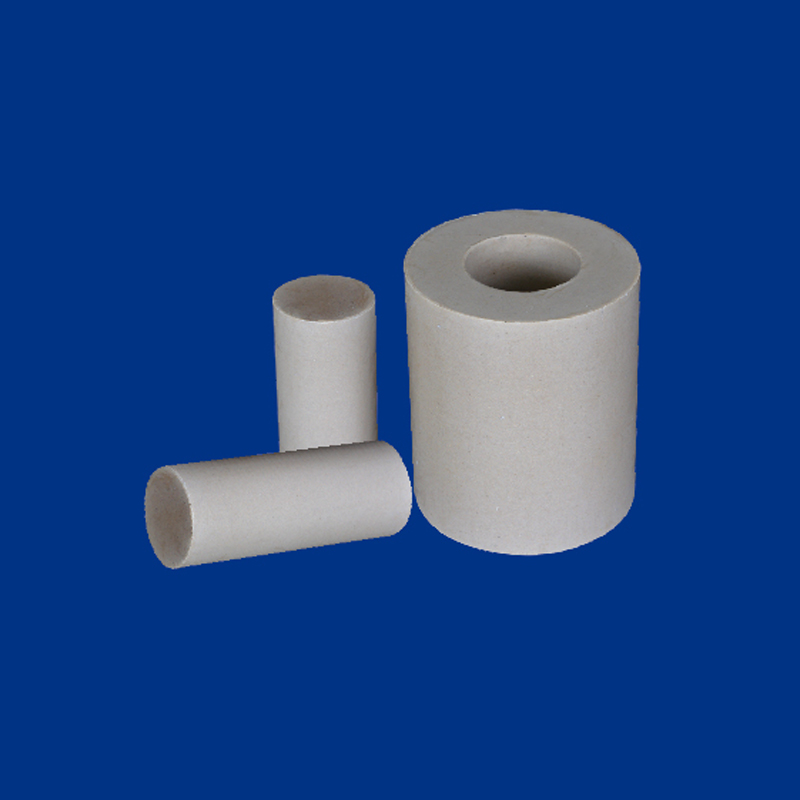
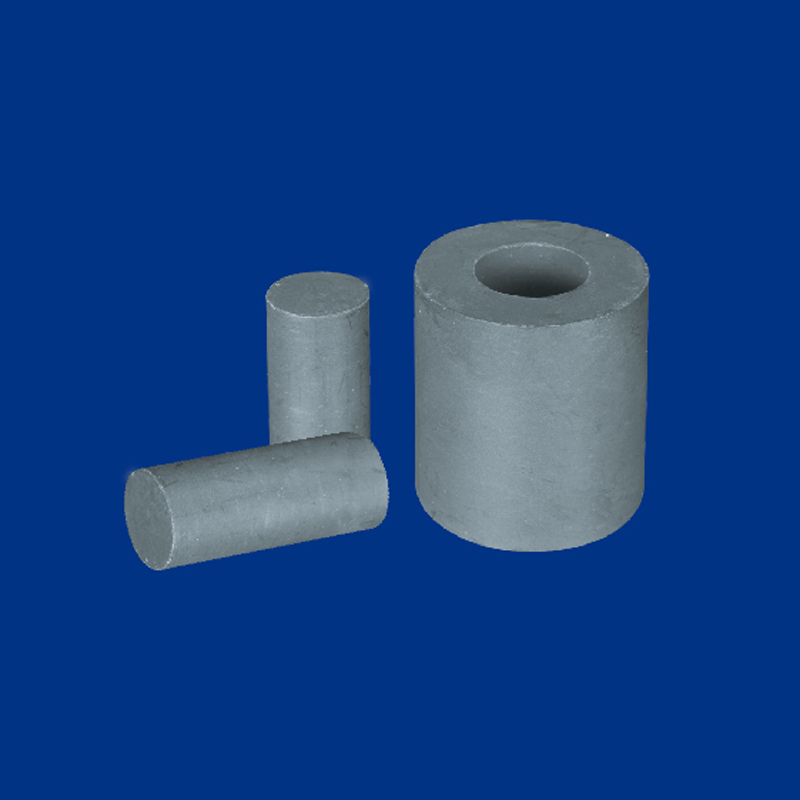
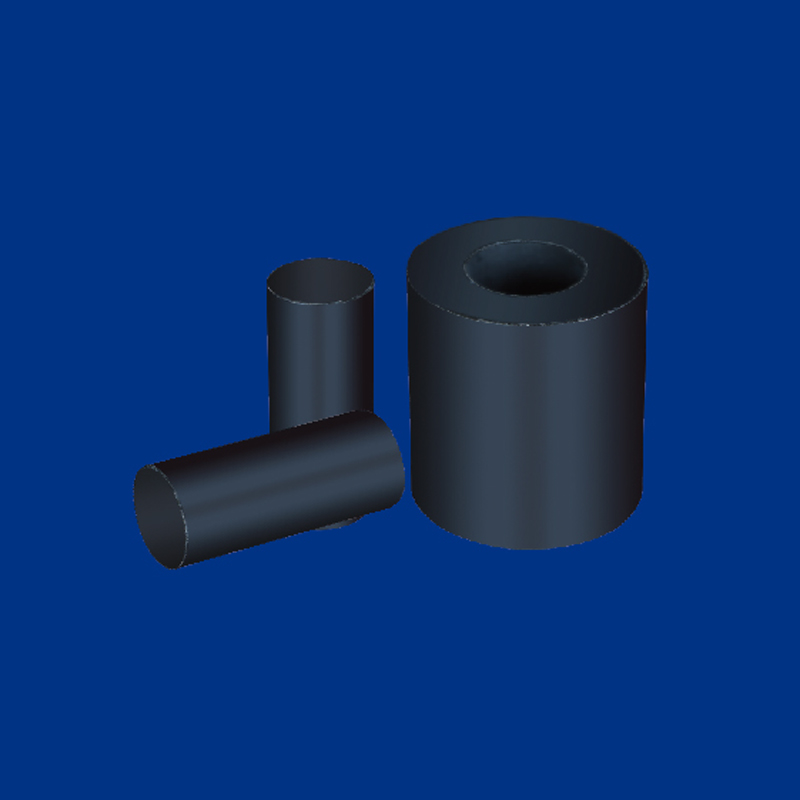
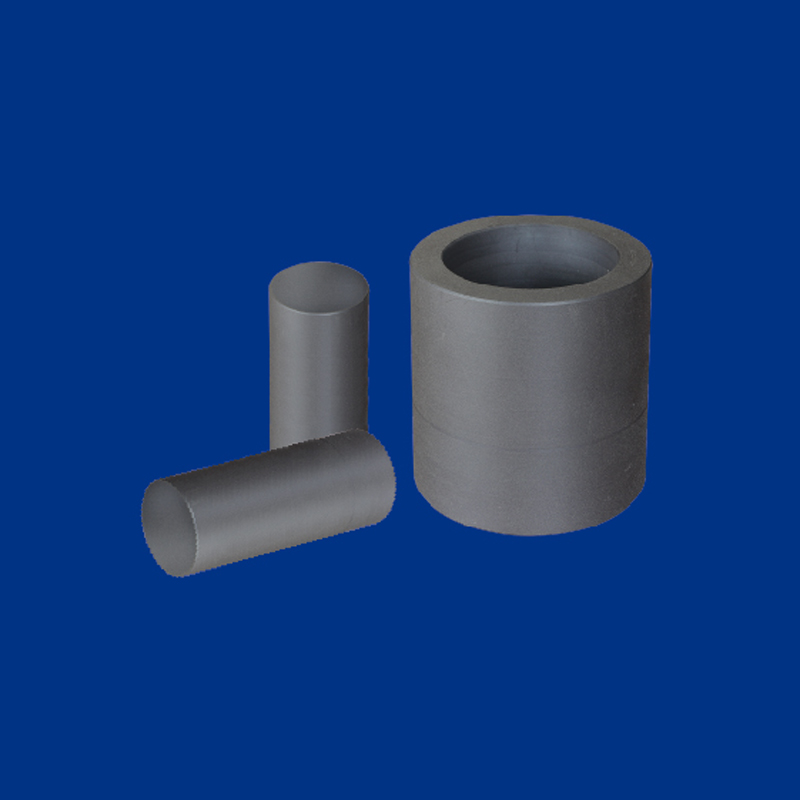
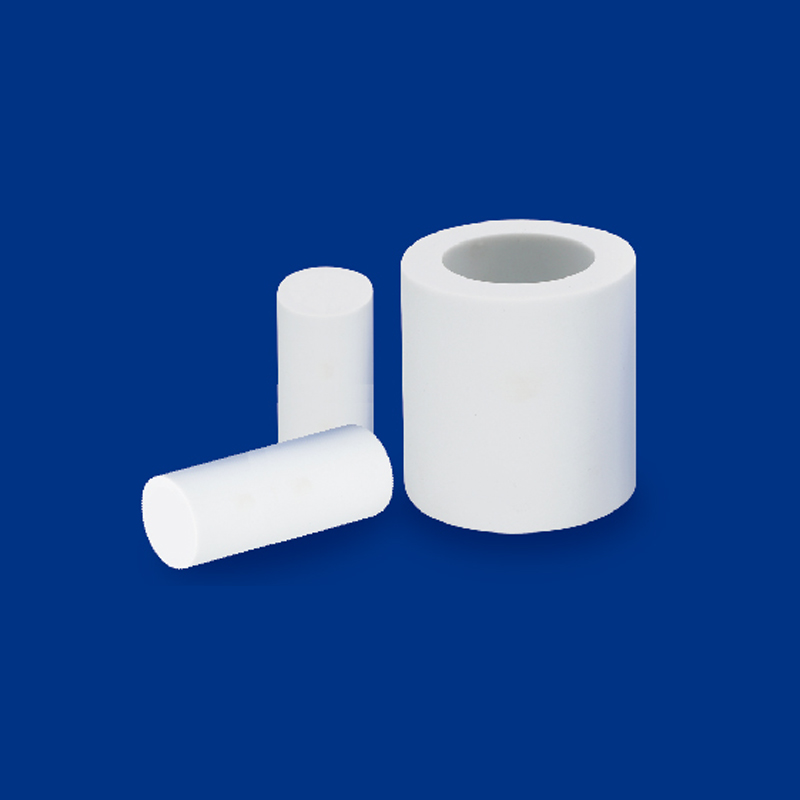
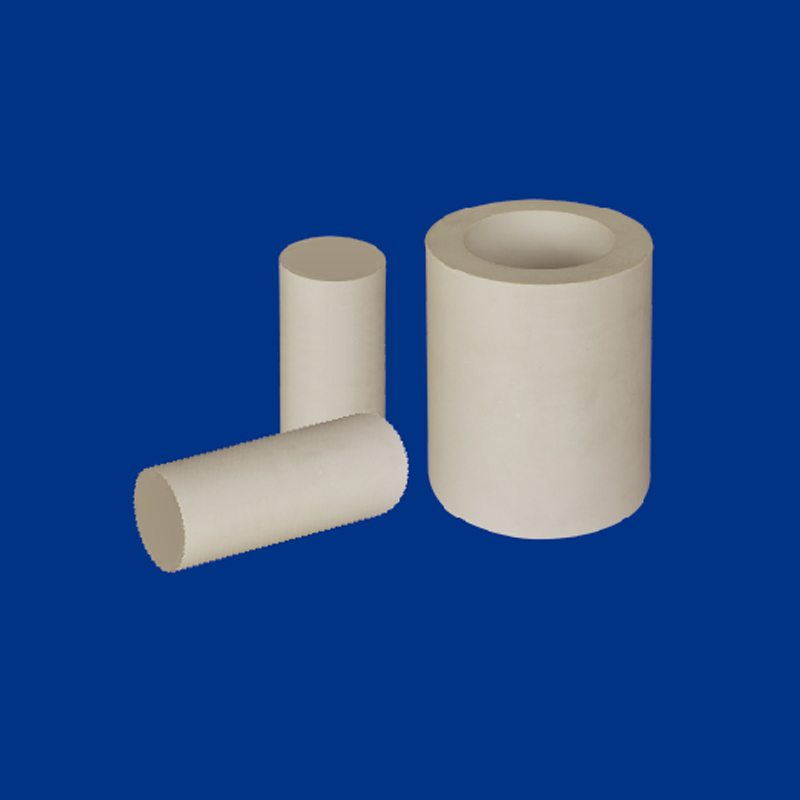
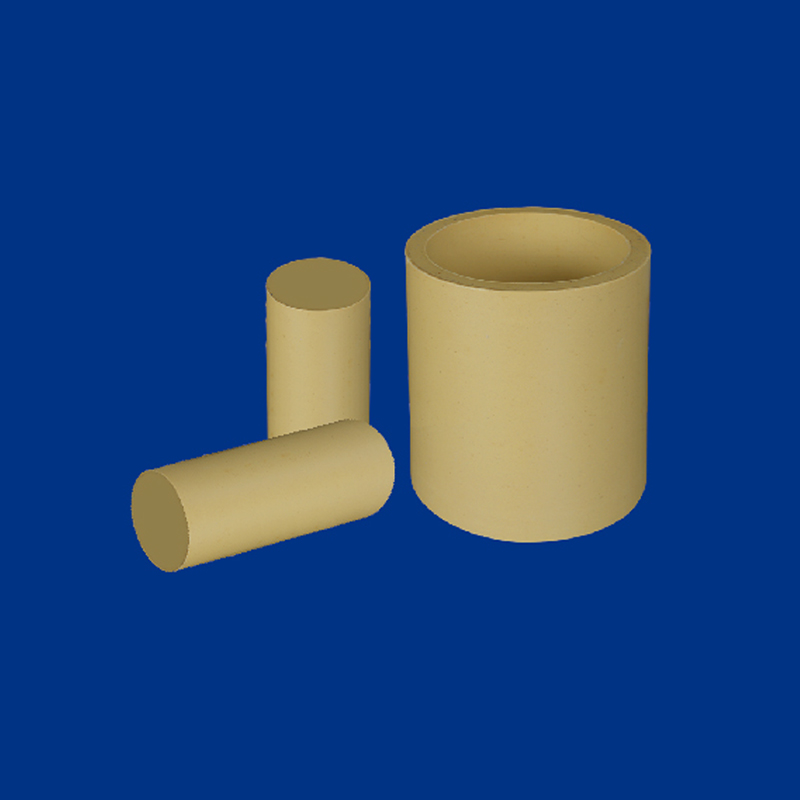
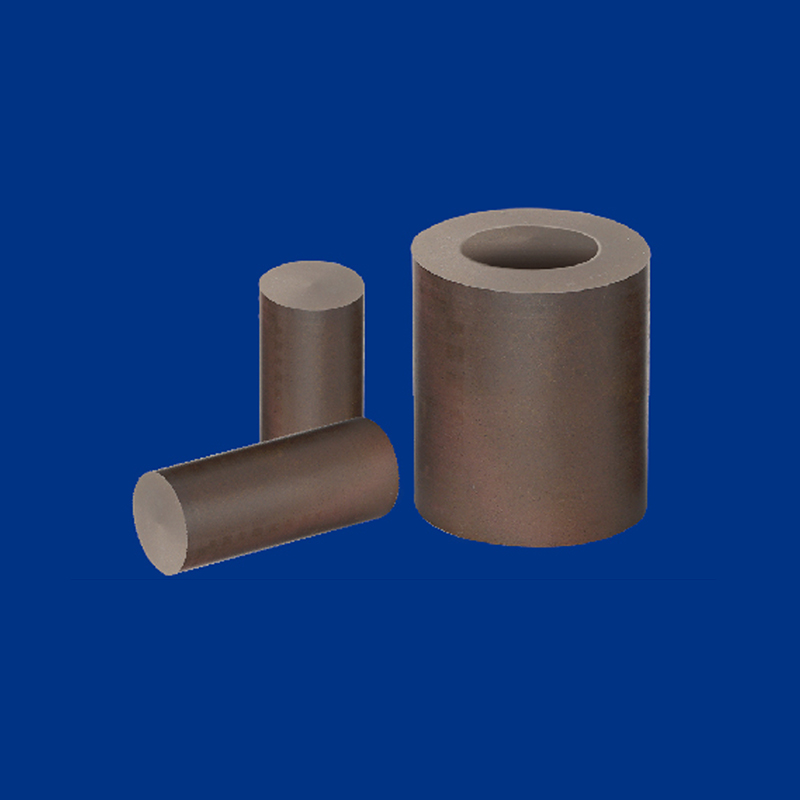
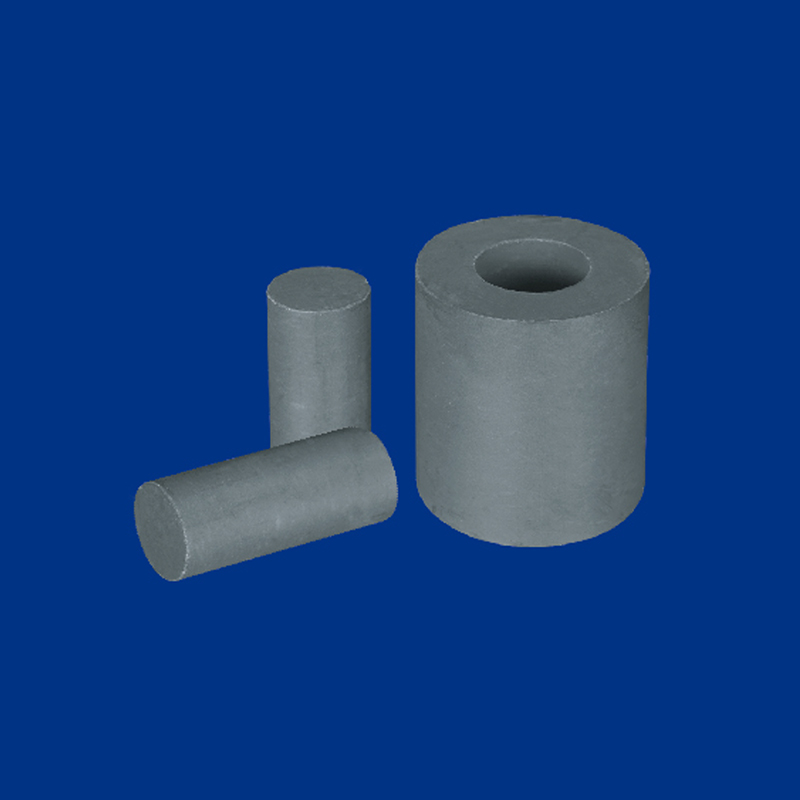
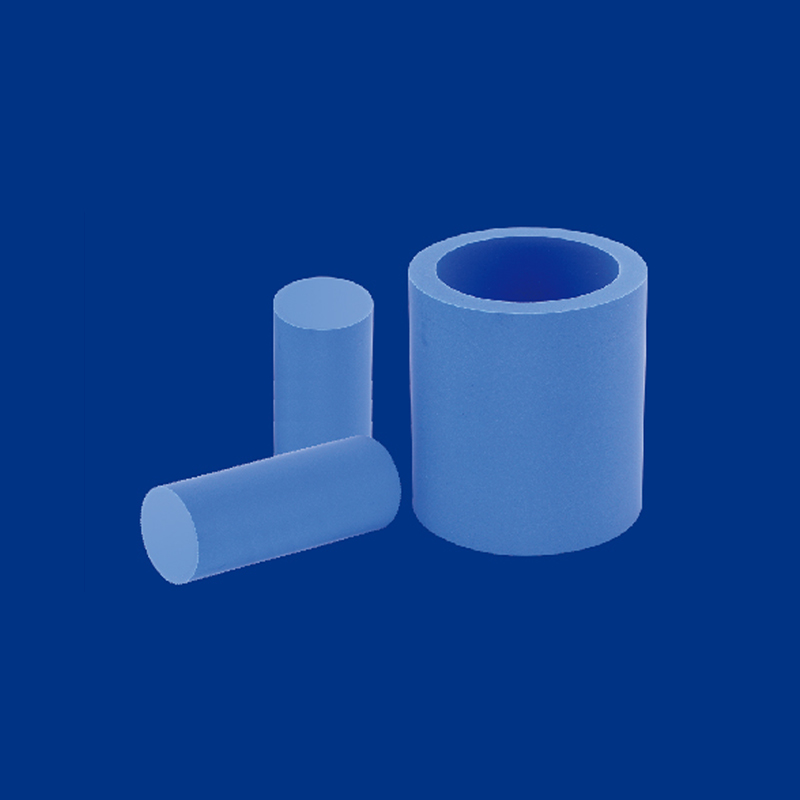


Gansu Juxiang Fluoroplastics Technology Co.,Ltd. is a fluoroplastic manufacturer in Yumen City, Gansu Province, China, producing filled PTFE tube and rod in ten JUXIANG grades, R100 to R109. As a Filled PTFE Tube,Rod manufacturer we supply both compression-moulded stock and components machined to drawing, so compound, stock dimension and finished tolerance are fixed in one specification. The range serves dry-running seals, bearing and guide elements, valve seats, pump wear parts and chemically exposed components where unfilled PTFE would wear, creep or deform too quickly.
What We Supply in Filled PTFE Tube and Rod
Rod is solid compression-moulded stock for parts that carry the full section: valve seats, bearing bushes, wear pads, thrust washers and insulator bodies. Tube carries a bore and suits ring blanks, seal housings, guide rings and bushings where the bore is the functional surface. Both forms leave our works as cut blanks to a stated length or as finished parts to drawing.
- Rod: solid stock, cut to length or machined to the finished profile.
- Tube: controlled bore and outside diameter for ring and bush blanks.
- Finished components: turning, grooving, chamfering and facing to the drawing.
- Grade identification: every delivery is marked with its JUXIANG grade so a qualified compound can be re-ordered without repeating material approval.
The JUXIANG Grade Range
The ten grades differ in filler system and loading, which shows up directly in strength, elongation, density and friction. The table below is the acceptance basis for each grade.
| Grade | Tensile strength (min) | Elongation at break | Apparent density | Dynamic friction coefficient |
|---|---|---|---|---|
| JUXIANG-R100 | ≥13 MPa | ≥120 % | 2.1–2.2 g/cm³ | 0.21 |
| JUXIANG-R101 | ≥18 MPa | ≥200 % | 2.1–2.2 g/cm³ | 0.26 |
| JUXIANG-R102 | ≥15 MPa | ≥150 % | 2.1–2.2 g/cm³ | 0.25 |
| JUXIANG-R103 | ≥15 MPa | ≥150 % | 2.1–2.2 g/cm³ | 0.22 |
| JUXIANG-R104 | ≥15 MPa | ≥150 % | 2.1–2.2 g/cm³ | 0.24 |
| JUXIANG-R105 | ≥15 MPa | ≥220 % | 2.0–2.1 g/cm³ | 0.17 |
| JUXIANG-R106 | ≥18 MPa | ≥200 % | 1.9–1.98 g/cm³ | 0.24 |
| JUXIANG-R107 | ≥15 MPa | ≥150 % | 3.1–3.2 g/cm³ | 0.25 |
| JUXIANG-R108 | ≥12 MPa | ≥100 % | 2.1–2.2 g/cm³ | 0.26 |
| JUXIANG-R109 | ≥10 MPa | ≥100 % | 1.55–1.65 g/cm³ | 0.25 |
Reading the Grade Data
Filler loading trades ductility for load-bearing capacity, and the figures make that trade visible before a part is cut. R101 and R106 hold the highest minimum tensile strength at 18 MPa, while R105 records the lowest dynamic friction in the range at 0.17 with 220 % elongation.
- Tensile strength indicates how much pressure the compound carries before the seal or bush distorts.
- Elongation at break shows how far the material follows a mating surface and absorbs misalignment.
- Apparent density separates light compounds from heavily filled ones; R107 at 3.1–3.2 g/cm³ is the densest grade and belongs in high-load, low-speed duty.
- Dynamic friction coefficient drives running temperature and wear rate in dry-running contact.
Application Fit by Duty
Filled PTFE tube and rod are specified where the part must run against stainless or hard-chromed steel with little or no external lubrication. The grade follows the duty rather than the other way round.
- Dry-running seals and piston rings: low friction and controlled wear, matched to PTFE piston rings and guide elements in the same assembly.
- Bearings, bushes and guide rings: dimensional stability under steady load, paired with PTFE guide tape where a separate wear surface is preferred.
- Valve seats, ball seals and pump trim: resistance to extrusion at pressure with chemical resistance across acids, solvents and process water.
- Electrical and thermal parts: filled rod machined into insulators, spacers and thermal break components.
Chemical pairing is checked before a grade is released. Glass-fibre compounds are not the first choice in strong alkali or hydrofluoric acid service, and metal-bearing compounds are unsuitable in aggressive acid. Where the medium attacks the filler, a modified PTFE sheet grade or an unfilled compound is proposed instead.
Dimensions, Machining and Installation
Stock size and finished geometry are agreed together, because wall thickness, groove depth and bore diameter decide whether a tube or a rod is the economical starting point.
- Rod and tube supplied as cut blanks to length, or as finished parts with grooves, chamfers and radiused edges.
- Tolerances, concentricity, wall thickness and surface finish taken from the drawing; where the drawing leaves a value open, it is fixed in writing before production.
- PTFE expands roughly ten times more than steel over a working temperature swing, so fits and clearances are set for the operating temperature, not the inspection room.
- Seal housings and piston grooves are checked against the installed section, including thermal growth and swell in the medium.
Quality Control and Acceptance
Each grade is held to the tensile, elongation, density and friction values in the table, and the compound is identified by grade on the delivery documents. Inspection scope is agreed at order stage: dimensional record where the drawing calls for it, visual acceptance of machined surfaces and edges, and any witness or third-party check the project specifies. Order documentation covers grade declaration, packing list and shipping marks, with material and drawing references carried through to the packing.
Information We Use to Configure Your Solution
A workable proposal needs the working point, not only a part number. The following inputs let us select the grade, the stock form and the machining route in one pass.
- Medium, concentration and temperature range, including cleaning and sterilisation cycles.
- Operating pressure, sliding speed, load and duty cycle for sealing and bearing parts.
- Mating surface material, hardness and finish, plus running clearance.
- Drawing with tolerances, or a sample with the critical dimensions marked.
- Quantity per order, annual volume and delivery schedule.
- Acceptance requirements, documentation language, packaging and marking.
Frequently Asked Questions
Can you machine finished parts from your filled PTFE rod and tube?
Yes. We machine to drawing or to a supplied sample, including ring blanks with grooves, bushings, seats, washers and spacers. Machining is quoted together with the grade so the finished part and the compound are approved as one item.
How is the right grade chosen from R100 to R109?
We start from pressure, speed, temperature, medium and mating surface, then shortlist the grades whose strength, elongation and friction fit that duty. Where two grades remain close, we say so and recommend the one with the wider process window for the application.
Do you supply semi-finished stock as well as finished components?
Both. Rod and tube are supplied as cut blanks for customers who machine in-house, and as finished parts for projects that require a single source. Cut blanks are marked with grade and batch so in-house machining keeps the same material traceability.
What do you need to quote a filled PTFE tube or rod order?
Send the drawing or sample, the medium and working temperature, pressure and speed where relevant, the required quantity and delivery date, and any acceptance or documentation requirements. We reply within 12 working hours with the proposed grade, stock form and machining scope.