

 русский
 Deutsch
 عربى
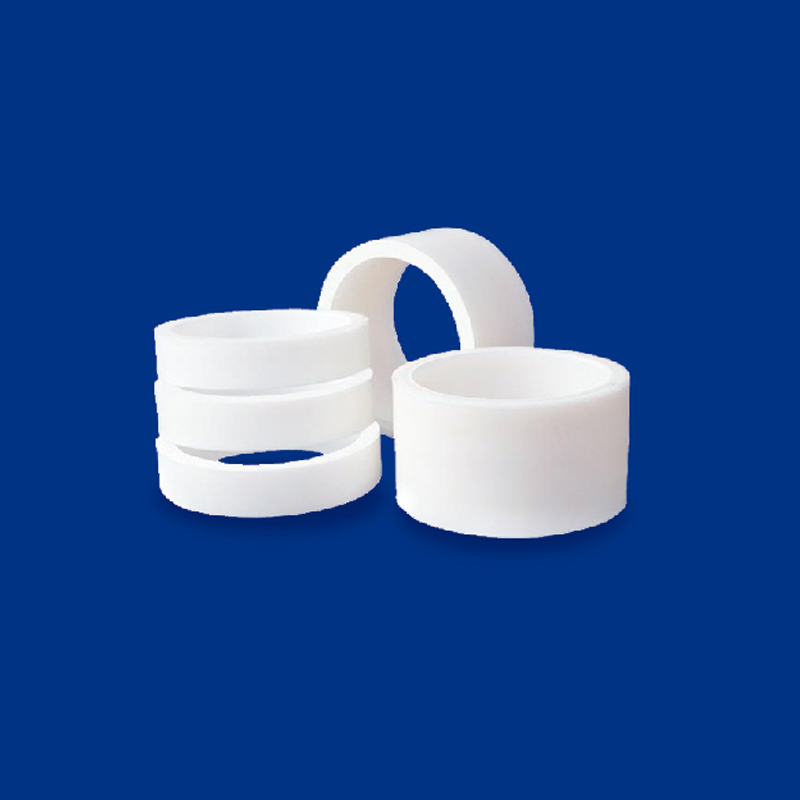
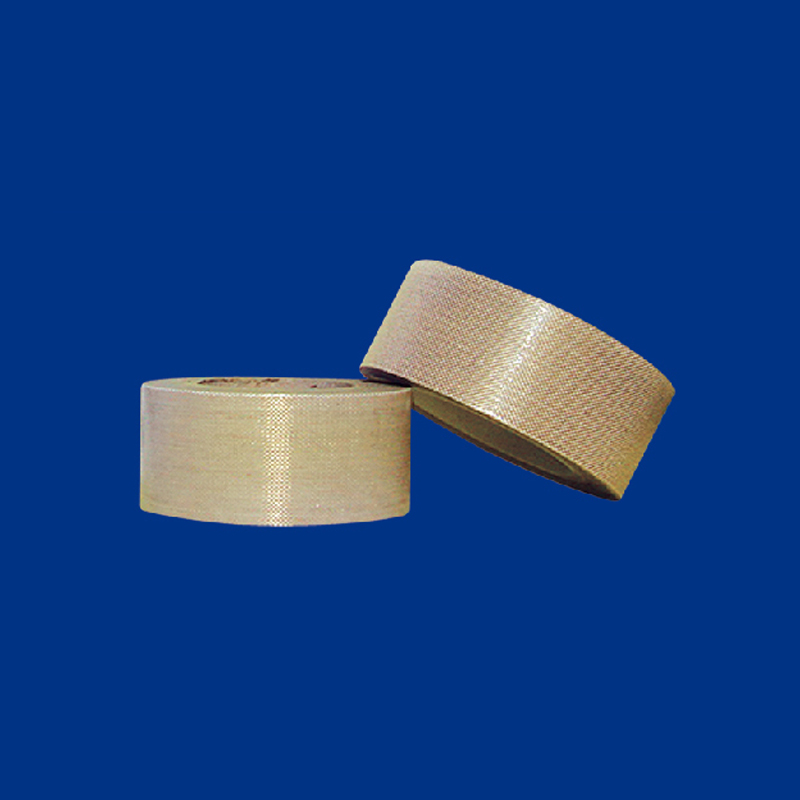
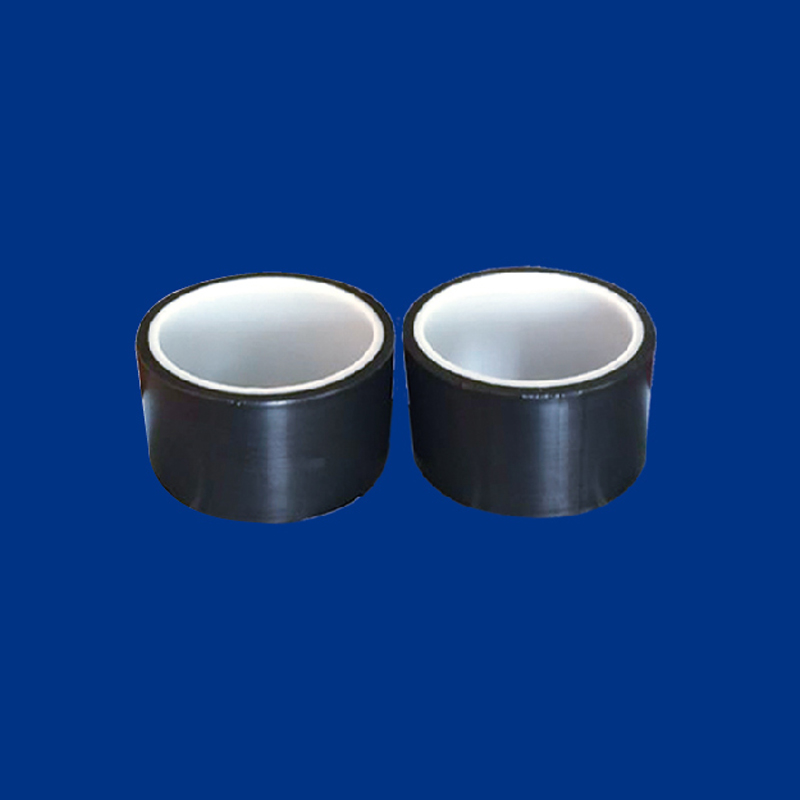
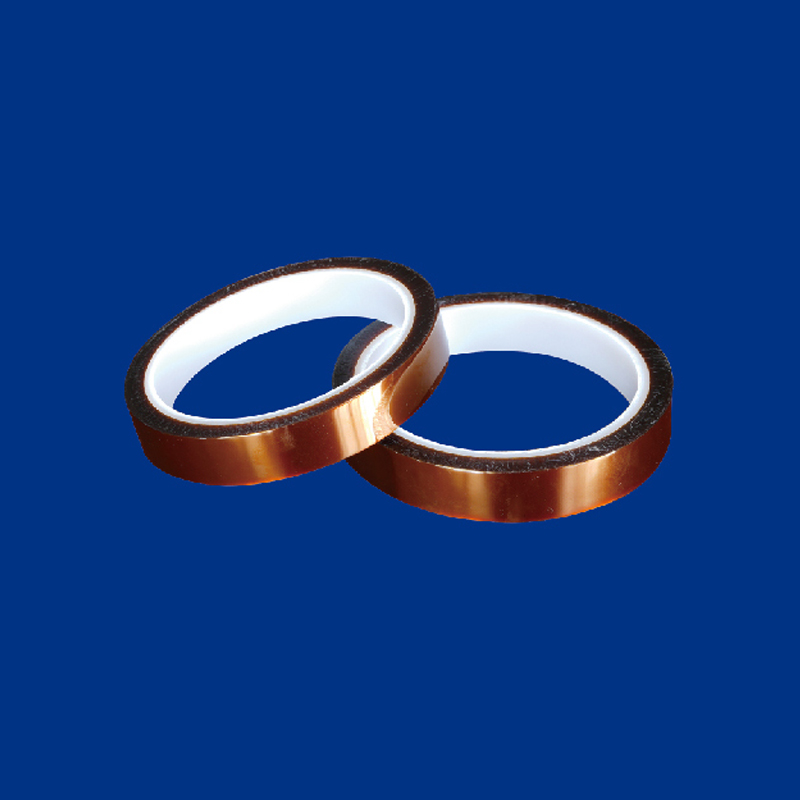
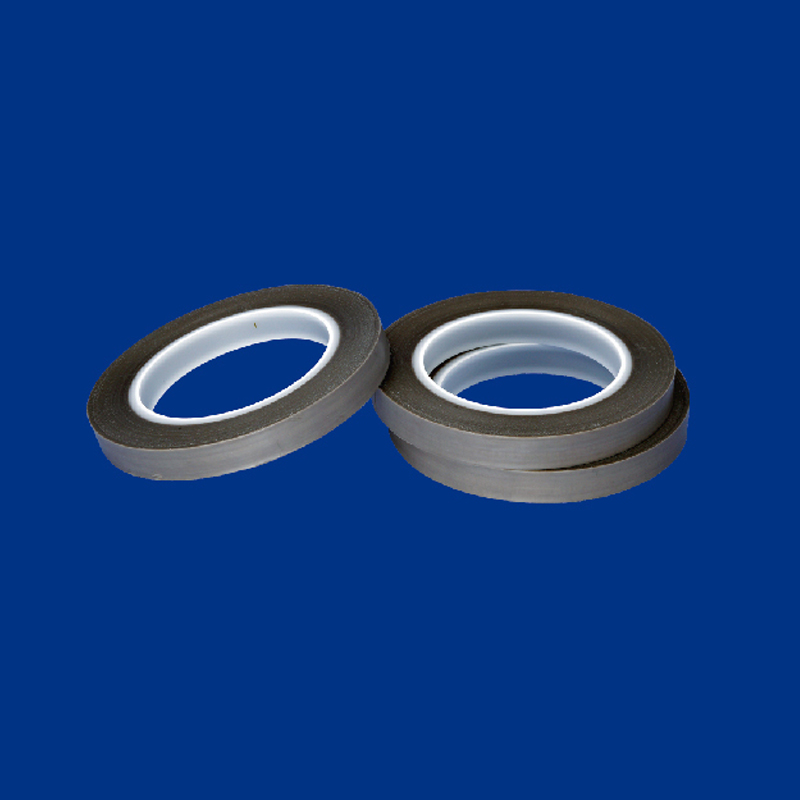



Gansu Juxiang Fluoroplastics Technology Co., Ltd. is a PTFE Adhesive Tape manufacturer running two production bases in Zhejiang and Gansu, China. The Yumen plant in Jiuquan is a joint venture between Zhejiang Jiaxiang Fluoroplastics Co., Ltd. and Gansu Juhua New Materials Co., Ltd. of the Juhua Group, and produces skived and coated fluoroplastic tape alongside sheets, rods, tubes, seals and machined parts. Our tape range covers virgin PTFE, glass-fibre reinforced PTFE, anti-static PTFE and polyimide constructions, supplied to cable, electrical, chemical, automotive, aerospace and electronics customers in more than 30 countries.
Range and Where Each Construction Fits
Four constructions cover most wrapping, lining and insulation duties. Thickness, width and roll length are set per order; the values below are the standard building blocks we slit from.
| Tape construction | Build | Thickness (mm) | Width (mm) | Typical fit |
|---|---|---|---|---|
| Virgin PTFE adhesive tape | Skived virgin PTFE film with pressure-sensitive adhesive | 0.08 / 0.13 / 0.18 / 0.25 | 10–500 | Release and anti-stick surfaces, chute and guide linings, general electrical insulation |
| PTFE + glass fibre adhesive tape | Woven glass cloth impregnated and coated with PTFE resin | 0.08 / 0.10 / 0.13 / 0.18 / 0.25 | 10–1000 | Heat-sealing bars, high-temperature cable wrap, pipe and flange wrapping where tensile strength matters |
| PTFE anti-static adhesive tape | Modified PTFE compound with a static index of 10⁵ | 0.08 / 0.10 / 0.13 / 0.18 / 0.25 | 10–1000 | Electronics handling, semiconductor equipment, conveyors running near sensitive devices |
| PI adhesive tape | Polyimide film with pressure-sensitive adhesive | 0.08 / 0.10 / 0.13 / 0.18 / 0.25 | 10–1000 | Coil and transformer insulation, harness wrapping in high-temperature zones |
Roll lengths run 10, 20 or 33 m for virgin tape and 10, 33 or 66 m for the glass-fibre, anti-static and PI grades, all cut to order.
- Tensile strength — not below 25 MPa
- Elongation at break — 125%
- Bonding strength — 6 N/25 mm
- Dielectric strength — not below 10 kV/mm
- Service temperature — −50 °C to +180 °C
From Moulding to Slitting
Virgin tape starts as a moulded and sintered PTFE billet that is skived into film on a lathe. Skiving sets thickness uniformity and surface finish, which decide how evenly the adhesive coats and how the tape conforms to a curved pipe or a cable bundle. Glass-fibre tape is built the other way round: the woven cloth carries the tensile load while the PTFE dispersion coating supplies release, chemical resistance and dielectric performance. Anti-static grades use a modified PTFE compound that dissipates charge without losing the non-stick and corrosion behaviour of the base polymer.
- Moulding and sintering — controls density and the absence of voids in the skived film
- Skiving — fixes thickness consistency across the web and along the roll
- Coating and drying — determines adhesive weight and the 6 N/25 mm bond value
- Slitting — sets edge quality, width accuracy and freedom from adhesive squeeze-out
Application Fit
- Cable and wire manufacture — conductor and harness wrapping where 10 kV/mm dielectric strength and a −50 to +180 °C range are required; glass-fibre and PI grades take the hotter zones near terminations and coils.
- Mechanical sealing — spiral wrapping of pump shafts, valve stems and flange faces, plus anti-stick shims where a gasket must release cleanly.
- Process equipment — hopper, chute and rail linings, heat-sealer bars, laminating and packaging machinery; our PTFE Guide Tape covers the wear-lining side of the same duty.
- Chemical plant — pipe, vessel and flange wrapping as a corrosion barrier under insulation.
- Electronics and semiconductor — anti-static surfacing on workstations, carriers and conveyor runs, and release surfaces in laminating and moulding.
Where a line needs a continuous release surface rather than an adhesive bond, our PTFE Film range is slit from the same skived stock.
Specifications, Roll Format and Installation
Every order is built around a fixed specification sheet that both sides sign off before slitting begins.
- Polymer and reinforcement — virgin PTFE, glass cloth, modified anti-static compound or polyimide
- Thickness and width — nominal value plus the tolerance band applied at slitting
- Roll length and core — 10 to 66 m as standard, with core diameter and roll outside diameter agreed for the applicator
- Adhesive performance — bonding strength target and the substrate the tape will be applied to
- Electrical values — dielectric strength and, for anti-static grades, the static index
- Colour, interleaving and labelling — including roll marking for automated lines
On the line, tape performs best when the surface is clean, dry and free of oil, and when it is applied with a squeegee or roller working from the centre outwards so no air is trapped under the film. Edges are pressed down last, and wrapped joints are overlapped by at least half the tape width. Rolls are stored flat, away from direct sunlight and heat, in the original packaging until the run starts.
Quality Control and Acceptance
Each lot is produced against the published property values for the range, and thickness, width, adhesion and dielectric strength are checked against the agreed specification before dispatch. Slit edges are inspected for burrs, adhesive bleed and width drift, since these are the defects that stop a roll feeding cleanly on an automated applicator.
For project work we agree the inspection plan before the first roll is slit — sampling frequency, test method and the record format that travels with the shipment — so acceptance at goods-in matches what was agreed at the quotation stage.
Information We Use to Configure Your Solution
A workable proposal needs the working point, not just a part number. The following inputs let us fix the construction, the adhesive and the roll format in one pass.
- Substrate and surface — what the tape bonds to: PVC, XLPE, silicone, metal, glass cloth or a coated surface
- Temperature profile — continuous operating temperature plus any short excursions during soldering, sealing or curing
- Electrical duty — voltage class, dielectric requirement and whether anti-static performance is specified
- Chemical exposure — acids, solvents, fuels or cleaning agents the tape will see in service
- Dimensions — thickness, width, roll length, core size and whether the roll feeds a machine or is applied by hand
- Application method — manual wrapping, semi-automatic taping or a converting step such as die-cutting
- Volume and packaging — annual quantity, call-off pattern, carton marking and destination
Frequently Asked Questions
What thicknesses and widths can you supply?
Standard thicknesses are 0.08, 0.10, 0.13, 0.18 and 0.25 mm. Virgin PTFE tape is slit from 10 mm to 500 mm wide; glass-fibre, anti-static and PI tapes run from 10 mm to 1000 mm. Roll lengths of 10, 20, 33 and 66 m are standard, and all three dimensions can be customised to the application.
Which grade suits high-temperature cable wrapping?
Glass-fibre reinforced tape is the usual choice where the wrap must resist abrasion and hold tensile load at elevated temperature, and PI tape where the harness passes close to terminations or coils. Both sit inside the −50 to +180 °C service range of the PTFE base, with the glass cloth adding mechanical strength the unsupported film does not have.
Can you supply anti-static tape to a defined static index?
Yes. Our anti-static grade is a modified PTFE compound that reaches a static index of 10⁵ while keeping the anti-stick, corrosion-resistant and non-ageing behaviour of the base polymer. It is supplied in the same thickness and width range as the glass-fibre tape.
Do you manufacture to drawings and samples?
Customisation is our core service. We develop and produce fluoroplastic parts and tape strictly to customer drawings or samples, and the same engineering team handles material selection, slitting configuration and the specification sheet behind each order.
Related Products and Categories
Our portfolio also includes Products for applications with different operating ranges, interfaces or integration requirements.