

 русский
 Deutsch
 عربى

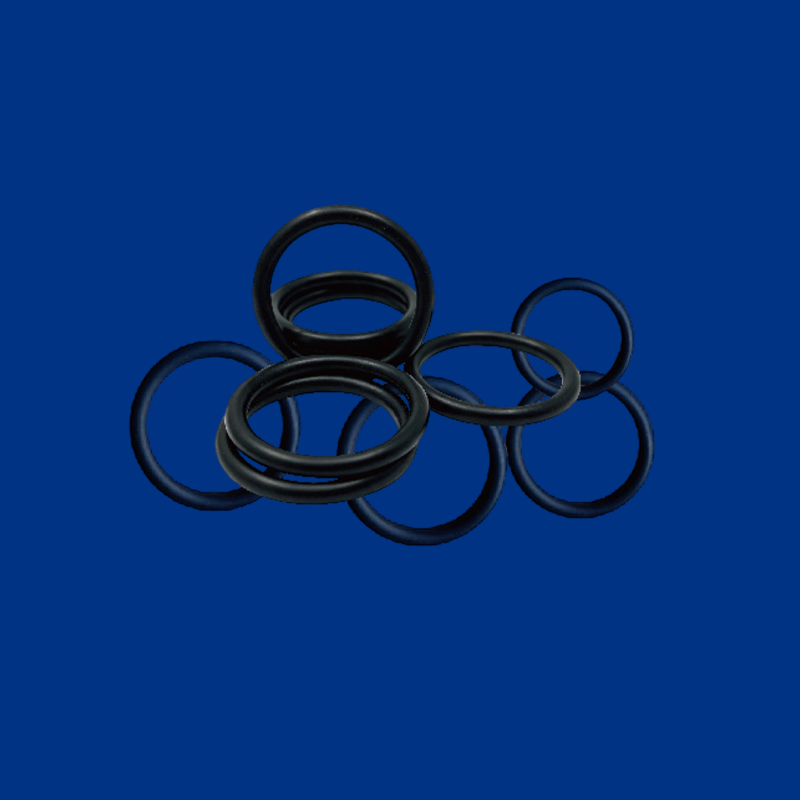
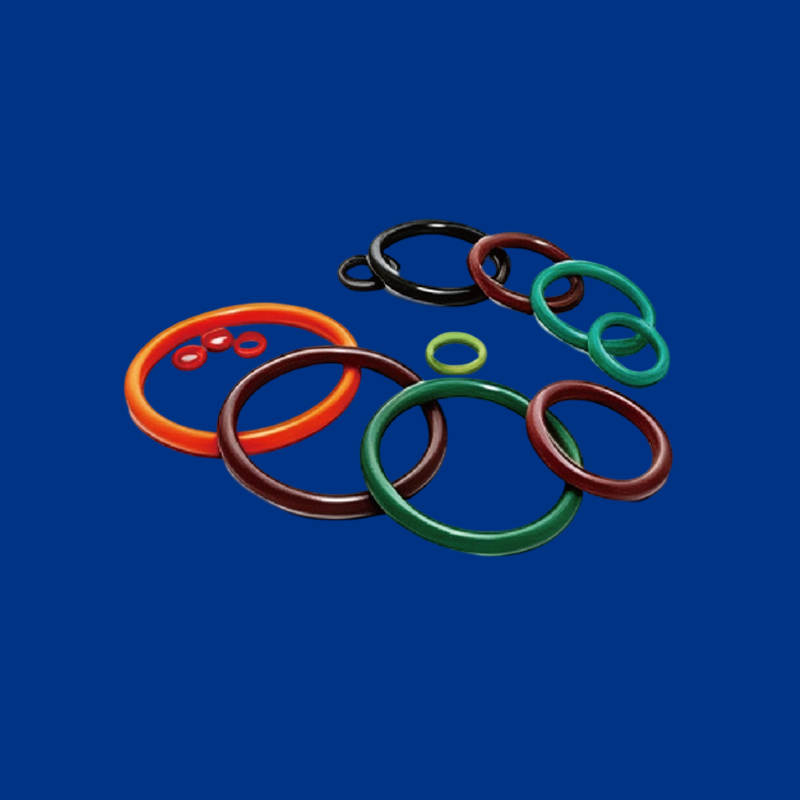




Gansu Juxiang Fluoroplastics Technology Co.,Ltd. is a fluoroplastic and high-performance engineering plastics manufacturer based in Yumen City, Gansu Province, formed as a joint venture between Zhejiang Jiaxiang Fluoroplastics Co., Ltd. and Gansu Juhua New Materials Co., Ltd. Our Rubber O-ring manufacturer range covers HNBR, EPDM, silicone and perfluoroether FFKM elastomers, supplied as standard metric and inch sizes or produced to drawing and sample for sealing duties in oilfield equipment, chemical plant, semiconductor tools, aerospace assemblies, food processing and medical machinery. Because the same sealing stacks often combine an elastomer with a fluoroplastic, we supply these rings alongside our own PTFE and PFA components and quote them as one coordinated package.
- Four elastomer families held as a matched range rather than a single compound
- Custom dimensions, compounds, hardness and packaging from drawing or physical sample
- Combined supply with PTFE back-up rings, encapsulated O-rings and machined gaskets
- Production split across the Zhejiang and Gansu bases, with one export sales team
The Rubber O-ring Range and Where Each Compound Fits
Compound selection starts with the media, then the temperature band, then the mechanical duty of the joint. Each family in our range answers a different combination of those three, which is why we keep all four available rather than steering every inquiry toward one material.
| Elastomer | Behaviour that matters in service | Media and temperature envelope | Typical duties |
|---|---|---|---|
| HNBR (hydrogenated nitrile) | Saturated structure gives oil resistance together with heat, ozone and compression-set resistance; high tensile and tear strength with good abrasion behaviour | Oils, greases, refrigerants, acids and alkalis in demanding service | Oilfield equipment, automotive, aerospace, electronic instruments |
| EPDM (ethylene-propylene) | Non-polar, low-unsaturation rubber that resists polar chemicals, oxidants, refrigerants, detergents and ketones; strong steam resistance and electrical insulation with corona resistance | Hot water and superheated steam service reported at 230 C, glycols, brake fluids, outdoor exposure | Chemical production, steam and utility lines, aerospace, electrical assemblies |
| Silicone (VMQ) | Service band from -40 C to 200 C, strong ageing resistance, high electrical insulation, food-contact grades available | Dry heat, cold, electrical fields, food and medical contact | Food processing, medical devices, instruments, thermal enclosures |
| FFKM (perfluoroether) | Broadest chemical resistance in the range with genuine elastic recovery and low compression set; high-temperature grades for long-term service near 280 C | Aggressive acids, solvents, alcohols, ethers and process chemicals | Analytical instruments, semiconductor, chemical production, aerospace |
Beyond chemical compatibility, we weigh compression set under sustained load, swell in the actual concentration, gas permeability where vacuum is involved, and extractables where the seal sits in a semiconductor or medical flow path. Those secondary factors frequently decide between two compounds that both look acceptable on a resistance chart.
Dimensions, Groove Fit and the Numbers That Decide Leakage
An O-ring is a controlled-squeeze component: the seal is created by the groove, not by the ring on its own. We therefore review the housing drawing together with the ring dimensions, because a correct cord diameter in an incorrect groove will still leak.
- Inside diameter and cross-section stated against a recognised series (AS568, ISO 3601, metric) or as a fully dimensioned drawing
- Squeeze normally held in the 15-30 percent band, adjusted for static or dynamic duty and for vacuum
- Groove fill kept below roughly 75 percent so the elastomer has room to displace under pressure
- Hardness typically 70 Shore A for general static sealing, with harder compounds where extrusion risk is high
- Surface finish and eccentricity of the groove and bore, since tool marks and ovality consume squeeze margin
- Flash and parting-line limits agreed per face, particularly on dynamic and vacuum applications
Where pressure, gap or temperature push a single elastomer past its extrusion limit, we add a PTFE back-up ring or move the joint to a composite design instead of simply raising hardness.
Tooling, Moulding and Batch Consistency
Custom rings are compression moulded from tooling built to the customer drawing, with the compound, cure and post-cure route fixed before the first production batch. Our technical team handles material matching and mould optimisation during the requirement review, so dimensional and process decisions are settled before tooling is cut.
- Tooling design from a dimensioned drawing, a 3D model or a reverse-engineered sample
- First-article samples submitted for fit and bench testing before volume release
- Compound batch, cure and post-cure records retained against each production lot
- Deflashing and visual grading to an agreed acceptance standard
- Batch-level traceability carried through to the carton label
Working Alongside Our Fluoroplastic Seals
Rubber O-rings rarely sit alone in aggressive service. Where an elastomer would swell, permeate or extrude, we supply a fluoroplastic element from the same works: a PTFE universal seal for chemically inert static joints, an encapsulated O-ring with a rubber core and FEP or PFA jacket, or a modified PTFE gasket for flange work at temperature. The wider fluoroplastic product range covers filled PTFE, PFA, FEP, PCTFE, PEEK and PI components that share the same sealing envelope.
This matters at the design stage: a joint that needs elastomeric recovery plus chemical inertness can be built as a rubber O-ring with a PTFE back-up ring, or as an encapsulated ring, and we can quote both routes against the same drawing.
Information We Use to Configure Your Solution
A workable quotation depends on the working point, not on a size alone. The matrix below shows what we ask for and how each answer changes the proposal.
| Project input | What we need | How it changes the configuration |
|---|---|---|
| Media | Chemical name, concentration, mixed streams, intermittent or continuous exposure | Compound shortlist, swell and extractables assessment |
| Temperature | Continuous, peak and cycling values; steam, dry heat or cryogenic | Grade and post-cure selection, compression-set margin |
| Pressure and gap | System pressure, groove gap, vacuum level, pulsation | Hardness, cross-section, back-up ring requirement |
| Hardware | Groove drawing, bore and shaft dimensions, surface finish, eccentricity | Inside diameter, cord diameter, tolerance class, squeeze and fill calculation |
| Size reference | AS568, ISO 3601, metric series or a fully dimensioned drawing | Size table, tooling route, inspection plan |
| Volume | Annual quantity, release schedule, kit or bag format, labelling | Tool cavitation, batch size, packing method |
| Acceptance | Dimensional report, compound batch data, retained samples, inspection file | Inspection scope and documentation set agreed at quotation |
Inspection, Documentation and Delivery Scope
Every lot is checked against the agreed drawing before packing: dimensions on the critical faces, hardness, visual grade and, where specified, compression set on a sampled basis. The documentation set is fixed at quotation stage so incoming inspection at your plant matches what we ship.
- Dimensional inspection report against the released drawing
- Compound identification and batch reference on the label and packing list
- Retained samples held for reference against future releases
- Packing in bags, trays or kitted sets with agreed labelling and carton marks
- Export packing and shipping documents handled by our own sales team
Reorders run from the same tooling and compound record, which keeps the second and tenth batches aligned with the first article you approved.
Frequently Asked Questions
Can you produce O-rings to a drawing or sample rather than a catalogue size?
Yes. Send the groove drawing with inside diameter, cord diameter, tolerance, compound and hardness, or a physical sample with the service conditions. We confirm the tooling route, submit first-article samples for fit and bench testing, and release volume production only after that approval.
Which compound fits steam, oil and semiconductor chemicals?
EPDM is our choice for hot water, steam and glycol circuits, where its saturated, non-polar structure resists degradation that attacks nitrile. HNBR covers oil, grease and refrigerant duty with heat and ozone resistance. FFKM handles aggressive acids, solvents and high-temperature process chemicals, including semiconductor wet-process positions. Silicone is used for dry heat, electrical insulation and food or medical contact. Final selection always follows the actual concentration and temperature, not the material name alone.
How do rubber O-rings differ from your PTFE seals?
Elastomers provide elastic recovery and low compression set, which is what a groove needs to follow hardware movement and thermal cycling. PTFE is chemically inert and low friction but has no elastic memory, so it is used as a back-up ring, a jacket over an elastomer core, or a machined gasket in static joints. We supply both from the same works and can quote a combined stack against one drawing.
How are orders packed and documented?
Packing format, labelling and the inspection file are agreed at quotation. Standard delivery is bagged or trayed by size and batch, with compound, dimensions, batch reference and cure date on the label. Dimensional reports, compound batch records and retained samples are available according to the acceptance scope set for the project.