

 русский
 Deutsch
 عربى
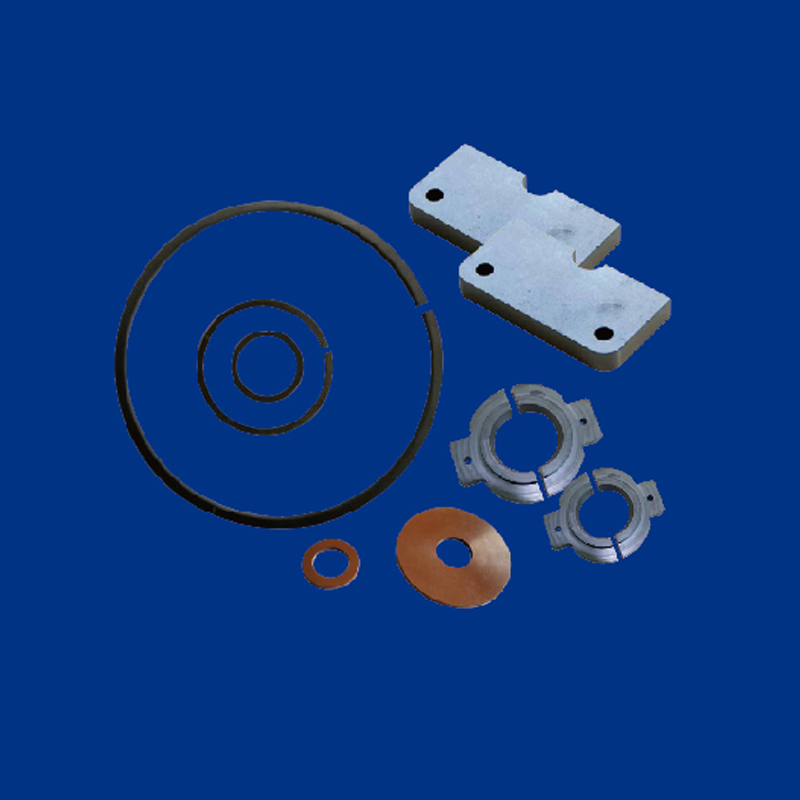
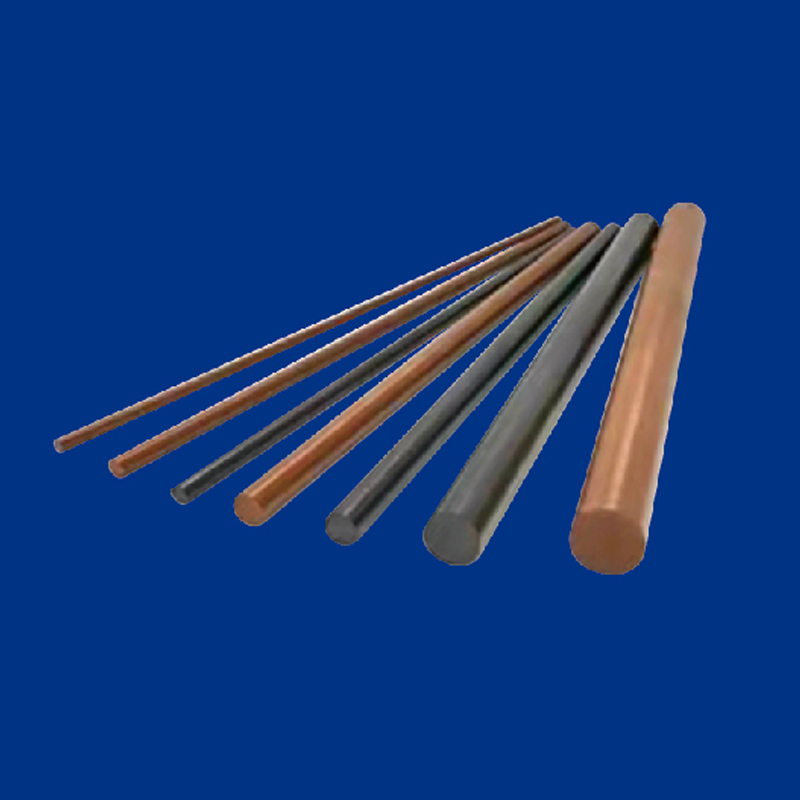
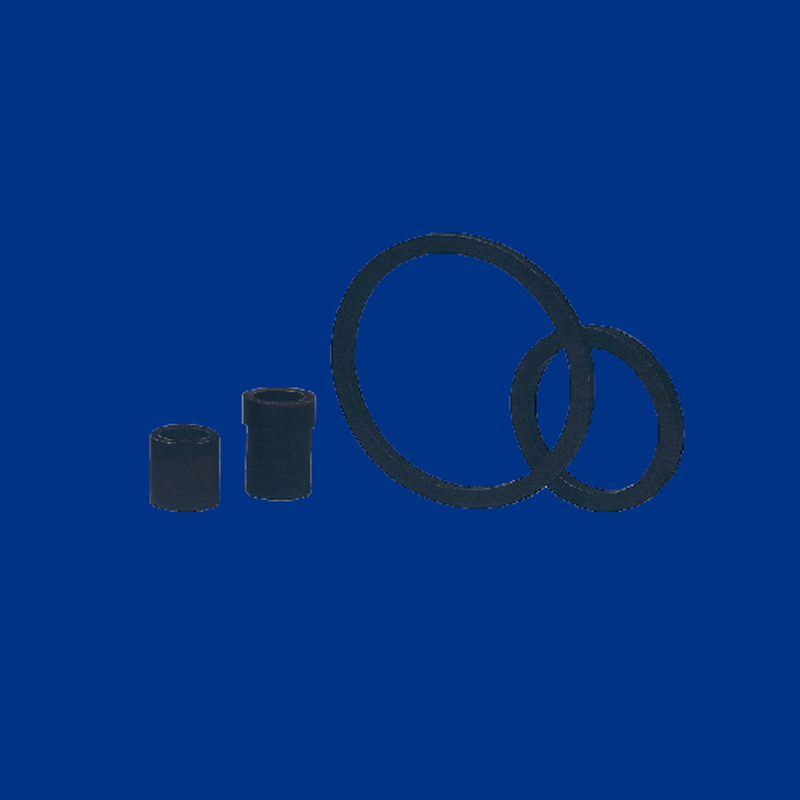




Gansu Juxiang Fluoroplastics Technology Co.,Ltd. is a PI Products manufacturer supplying polyimide rod, polyimide tubing, filled PI material and finished machined components produced to customer drawings. Polyimide sits inside our wider portfolio of fluoroplastics and high-performance engineering plastics — PTFE, PFA, FEP, PCTFE, PEEK and PVDF alongside PI — manufactured across two production bases in Zhejiang and Gansu Province, China. Project teams specify our PI parts for bearings, wear rings, insulating bodies and precision structural components in semiconductor, aerospace, automotive, new energy and chemical equipment.
The company is a joint venture between Zhejiang Jiaxiang Fluoroplastics Co., Ltd. and Gansu Juhua New Materials Co., Ltd. of the Juhua Group, with the Gansu plant located in Yumen City, Jiuquan. That structure gives PI buyers a single technical channel covering material selection, machining and export documentation rather than a chain of separate workshops.
The PI Products Range We Supply
Four product forms cover most polyimide requirements, from stock shapes machined in your own workshop to finished parts delivered against a drawing. Each form is available in unfilled PI and in filled grades where friction and wear control matter more than peak mechanical strength.
| Product form | Supplied as | Typical application fit | Configuration points |
|---|---|---|---|
| PI Machined parts | Finished components machined from PI rod, tube or section to customer drawing | Bearings, bushings, wear pads, insulating bodies, plug and socket parts, wire rack components | Drawing with tolerances, grade, quantity, edge and surface requirements |
| Polyimide Rod | Round bar across a range of diameters and lengths | Bearing and bushing blanks, pump and valve internals, fixture pins, semiconductor tooling | Diameter, length, unfilled or filled grade, straightness |
| Polyimide Tubing | Thin-wall and heavy-wall tube, cut to length | Sleeves, insulating tubes, guide bushes, wire and cable protection | Inside and outside diameter, wall thickness, concentricity, cut length |
| Polyimide Filling Material (Three In One) | PI compounded with graphite and fluorine for lubricated service | Piston rings, bearings, wear rings running dry or under marginal lubrication | Filler combination, PV duty, mating surface, clearance in the housing |
Rod and tube are supplied as stock for customers who machine in their own workshops; machined parts and filled material are quoted against a drawing, a sample or a defined working condition. Where a part runs dry against steel or ceramic, the filled grade is normally the starting point, with unfilled PI reserved for maximum strength, insulation or dimensional stability.
Material Behaviour and Where Polyimide Fits
Polyimide is an amber to dark brown engineering plastic, translucent in thin sections and opaque in heavy sections, with continuous service capability around 300 °C, good radiation resistance and high mechanical strength without fillers. It holds stiffness and dimensional stability in conditions where PTFE would creep under load, and it insulates electrically where a metal part would add weight or conductivity.
| Property | Value | Practical meaning |
|---|---|---|
| Density | 1.36 – 1.37 g/cm³ | Lighter than filled PTFE compounds and most bearing bronzes |
| Heat setting temperature (under 18.5 kg/cm²) | 232 °C | Reference point for post-forming and stress-relief cycles |
| Bending strength at yield | 1660 kg/cm² | Supports load-bearing bushes and structural insulators |
| Crush strength | >155 kg·cm/cm² | Resists compressive set in clamped and press-fit assemblies |
| Friction coefficient (base material) | 0.24 | Filled grades reduce this further for dry-running contacts |
| Hardness | HB 23 | Machines cleanly and holds a fine surface finish |
| PV value | 20 – 30 m·kg/mm²·S | Sets the load and speed envelope for bearing and ring design |
These figures describe the base material. Filled grades shift friction, wear rate and PV capability, and the geometry of the finished part governs how much of that capability reaches the application — wall thickness, clearance and mating surface finish all change the outcome.
Unfilled and Filled Grades
Grade selection is the decision that most affects service life, and it is settled before a drawing is released for machining.
- Unfilled PI — highest mechanical strength and electrical insulation, used for structural parts, insulators, socket bodies and components where wear is not the limiting factor.
- Graphite and fluorine filled PI — the three-in-one lubricating grade, formulated for piston rings, bearings and wear rings where a low friction coefficient and a stable PV margin are required.
- Application-matched compounds — where the duty cycle, mating material or temperature profile falls outside the standard grades, we review the working point with you and propose a filler combination rather than forcing a catalogue material into the part.
Because PI is not a fluoroplastic, it is often specified alongside our PEEK Products and PCTFE Products in the same assembly. We can quote the full set of high-performance parts from one drawing package so that tolerances and material callouts stay consistent.
Stock Formats and Machining Configuration
Section formats listed for this range start at 39 × 35 × 30 mm and extend to 410 × 375 × 70 mm, with a large number of intermediate sizes including 108 × 78 × 70 mm, 186 × 168 × 70 mm and 294 × 248 × 70 mm. Stock sections reduce lead time on large bushes and rings; near-net formats reduce machining waste on high-value parts.
- Rod diameters and lengths matched to the finished part envelope, allowing for skin removal and stress relief.
- Tube bore, wall and concentricity specified against the shaft or pin that runs inside it.
- Machined parts produced to your drawing, with critical dimensions, datums and inspection points identified at quotation.
- Edge break, surface finish and burr limits agreed where parts handle wafers, film or fine wire.
- Annealing and stress relief considered for thin-wall tubes and close-tolerance rings.
We machine to the drawing you release, and we raise tolerance questions before production rather than after. Where a dimension is functional — a bore that sets running clearance, a face that seats an O-ring — it is worth flagging at enquiry stage so that the machining plan and inspection method match it.
Quality, Documentation and Delivery Scope
Production parameters are monitored in real time across both bases, and scheduling is planned per order so that a PI programme and a PTFE or PEEK programme can run in parallel without competing for capacity. Post-production we issue the documentation package and usage guidance that goes with the shipment.
- Inspection scope agreed at quotation: dimensions against drawing, material grade and batch identification, plus any additional checks the application requires.
- Material traceability from stock section to finished part, so a batch can be traced if a field issue appears.
- Packaging planned to protect machined edges, bores and sealing faces in transit, with labelling and packing format agreed on the order.
- Technical response within 12 working hours on enquiries, drawing queries and production questions.
- Custom development from drawing or sample, including material matching for complex working conditions.
Our fluoroplastic product range shares the same quality route, which matters when a PI insulator, a PTFE gasket and a PFA tube land in the same equipment package and have to be accepted together.
Information We Use to Configure Your Solution
A PI quotation is only as good as the working point behind it. The list below is what we need to move from a price to a configuration that will survive the application.
| Input | What it determines |
|---|---|
| Drawing or sample, with critical dimensions marked | Machining route, stock format, inspection plan |
| Working temperature, including peaks and dwell time | Grade choice and allowance for thermal expansion |
| Load, speed and duty cycle (continuous or intermittent) | PV check, filled versus unfilled grade, running clearance |
| Mating surface material and finish | Friction pairing and wear allowance |
| Medium: air, oil, fuel, coolant, cleaning chemistry, radiation | Chemical compatibility and any need for a filled compound |
| Electrical requirement (insulation, dielectric strength, tracking) | Unfilled PI versus conductive or filled alternatives |
| Quantity, batch split and delivery schedule | Stock section selection, production planning across both bases |
| Acceptance requirements and documentation language | Inspection records, packing and shipping documents |
Frequently Asked Questions
Which polyimide forms can you supply — stock shapes, finished parts or both?
Both. We supply polyimide rod and polyimide tubing as stock for customers who machine in-house, and we machine finished PI parts to drawing, including filled three-in-one material for lubricated bearings and piston rings. A single order can combine stock sections and finished components.
What do you need to quote a PI machined part?
A drawing or a sample with the critical dimensions identified, the working temperature and load, the mating surface, the medium in contact, the quantity and the required delivery date. With those inputs we can confirm grade, stock format, machining route and inspection scope in the quotation rather than quoting a bare price against an incomplete drawing.
When should I specify filled PI instead of unfilled PI?
Filled PI with graphite and fluorine is the right choice when the part runs dry or under marginal lubrication and friction or wear is the limiting factor — piston rings, bearings and wear rings. Unfilled PI remains the better option where maximum mechanical strength, electrical insulation or dimensional stability under load matters more than a low friction coefficient.
How is polyimide positioned against PTFE and PEEK in your range?
PI is the high-strength, high-temperature member of the family: it carries load at temperatures where PTFE creeps, and it insulates where PEEK or metal would be unnecessary or conductive. We produce PTFE, PFA, FEP, PCTFE, PEEK and PI in the same organisation, so a mixed-material assembly can be sourced, inspected and shipped as one package from our factory in China.