

 русский
 Deutsch
 عربى
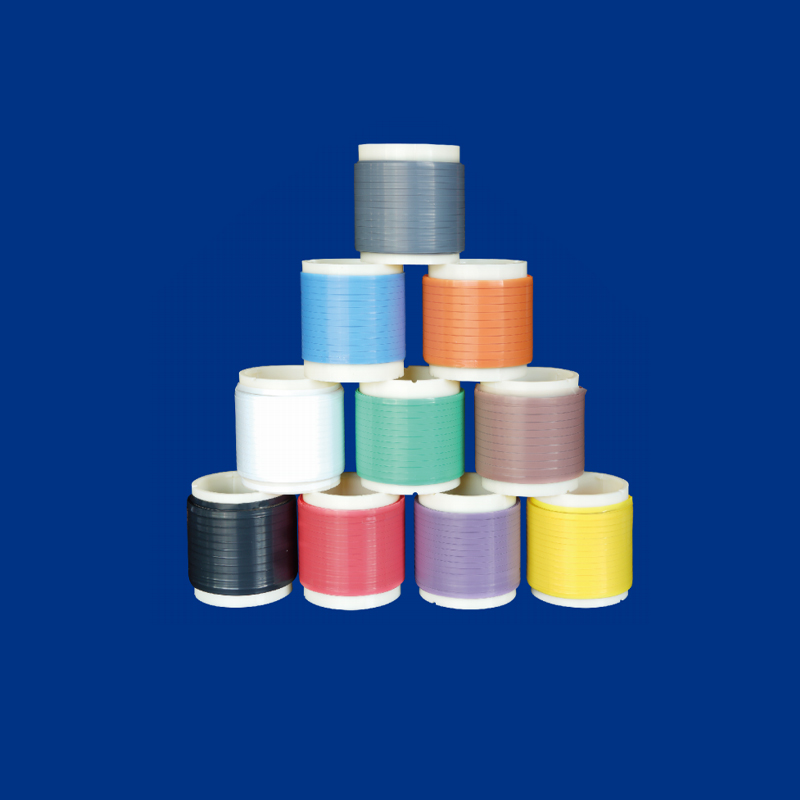



Gansu Juxiang Fluoroplastics Technology Co.,Ltd. is a PTFE Anticorrosive Tape for Cable and Pipe manufacturer based in Yumen City, Gansu Province, China. The company is a joint venture of Zhejiang Jiaxiang Fluoroplastics Co., Ltd. and Gansu Juhua New Materials Co., Ltd. of the Juhua Group, with production in both Gansu and Zhejiang.
Tape is one line inside a wider fluoroplastic programme covering PTFE sheet, rod, tube, film, gaskets and seals, PFA and FEP extrusion, PCTFE, PI, PEEK and PVDF components. For a wrapping project that breadth keeps the tape, the joint sealing parts and the pipe liner inside one material family, with one technical contact and one documentation trail.
Related Products and Categories
Our portfolio also includes Products for applications with different operating ranges, interfaces or integration requirements.
What We Manufacture in This Category
We supply PTFE anticorrosive tape in roll form, slit to the width the wrapping operation needs and wound to the length that fits the machine or the hand application. Polytetrafluoroethylene gives the wrap its working character: chemically inert, electrically insulating, low in friction and stable across a wide service temperature band.
- Plain tape — for spiral wrapping of pipe and cable where tension and the outer coating hold the wrap in place.
- Adhesive-backed tape — produced alongside our PTFE Adhesive Tape range, for wraps that must stay put before the next operation.
- Surface-etched tape — through the sodium-treatment route used in our PTFE plate range, where a primer or outer jacket must bond to the tape surface.
- Slit rolls, spools and master rolls — for automated wrapping heads, semi-automatic lines and manual repair work.
- Cut formats — sheets and die-cut pieces for flanges, fittings, bends and field repairs.
Because the tape is produced inside the same fluoroplastic operation as our sheet, film and machined parts, material traceability stays with one manufacturer from resin batch to finished roll.
Application Fit: Cable and Pipe
Pipe wrapping
Buried and above-ground steel lines, weld joints, bends, flanges and valve bodies take PTFE tape as a dielectric and chemical barrier over or under the coating system. The tape resists soil chemistry, produced water, acids and alkalis, and it does not embrittle at the wall temperatures of hot service lines. In chemical plants it also wraps stainless and lined pipe where a release surface and corrosion protection are needed together.
Cable wrapping
Cable makers and equipment builders use the tape as an insulation and separation layer, as a bundling wrap on harnesses, and as an abrasion shield over jackets that run through drag chains and cable carriers. Low friction keeps the wrap from grabbing during payout, and the electrical strength of the film supports insulation and separation duties in high-temperature cable constructions.
Configuration Options We Quote
The tape is quoted as a set of dimensions and a surface condition, not as a single stock item. These are the variables we fix with you before production.
| Configuration | What we quote | Effect on the installed wrap |
|---|---|---|
| Tape form | Plain, adhesive-backed, surface-etched | Decides whether the wrap is held mechanically or bonded to the substrate |
| Thickness | Quoted to the wrap schedule and barrier requirement | Sets barrier thickness, conformability around bends and roll yield per metre of pipe |
| Width | Slit from master roll to the wrapping head or hand width | Controls spiral pitch, overlap and the number of passes per metre |
| Roll format | Core diameter, roll length, spooling, splice-free lengths | Matches the roll-change interval to the line cycle and cuts stoppages |
| Surface and colour | Natural or pigmented | Aids identification and visual inspection of coverage on the line |
| Electrical grade | Standard wrap or a higher-integrity base drawn from our PTFE Film range | Supports cable insulation and separation layers where breakdown strength matters |
| Packaging | Coil, shrink-wrapped roll, carton, pallet, desiccant | Protects edges and keeps the roll clean through export shipping |
Substrate and Service Conditions That Set the Specification
PTFE covers a broad temperature and chemical envelope, so the tape itself rarely limits a project. The limiting factors sit in the substrate, the coating system and the wrapping method, and those are what we work through with your project data.
- Pipe substrate and existing coating: bare steel, fusion-bonded epoxy, three-layer PE, concrete weight coat, or an aged coating under repair.
- Surface preparation and primer system, and whether that primer is compatible with a PTFE surface.
- Service temperature at the pipe or cable, including start-up, purge and upset conditions.
- Chemical exposure: soil chemistry, produced water, solvents, acids and alkalis.
- Mechanical duty: backfill abrasion, soil stress, bending at field joints, cable flexing and drag-chain travel.
- Electrical duty: dielectric strength, insulation resistance and the voltage class of the cable.
- Wrap geometry: spiral pitch, overlap percentage, number of passes and the tension the head can hold.
- Cable construction: jacket material, bend radius, bundle diameter and conductor temperature.
Specifications, Tolerances and Acceptance
Every order is quoted against a written tape specification rather than a catalogue number. We agree the measurement method at quotation stage, so incoming inspection at your plant reads the same values as our own inspection record.
- Thickness and width, each with its tolerance band.
- Roll length, core diameter and permitted splice count.
- Density and unit weight, which drive barrier performance and roll yield.
- Tensile strength and elongation in the machine direction.
- Dielectric breakdown for cable and electrical wrapping grades.
- Peel adhesion for adhesive-backed tape, measured on the intended substrate.
- Visual criteria: holes, wrinkles, edge straightness, contamination and colour consistency.
Acceptance follows the route agreed for the project: first-article samples for fit and wrap trials, dimensional and visual checks on the production batch, and retained samples held against the batch identification printed on each roll.
Line Integration, Installation and Safety
Wrapping performance depends on tension, overlap and line speed as much as on the tape. We size the roll to the wrapping head — width, core and length — so the roll-change interval fits the line cycle, and we work from the overlap and pitch your coating system requires.
- Tension control: tape that necks at the head changes overlap, so we quote elongation and the head is set inside the tape's working range.
- Primer and outer-wrap compatibility: where a primer or jacket must bond, the etched surface is specified instead of plain tape.
- Storage: rolls kept dry, out of direct sunlight and away from heat sources until the wrap is applied.
- Operator safety: cut edges are sharp, so gloves and edge handling belong in the work instruction, with local extraction where cutting generates dust.
- Static: PTFE builds charge when unwound at speed, and grounding of the wrapping equipment is part of the line set-up.
Information We Use to Configure Your Solution
We prepare a configuration and quotation from the working conditions, not from a stock list. The following inputs let us fix tape form, dimensions, roll format and acceptance criteria in one pass.
- Pipe diameter, wrap length per joint and total metres, or cable diameter and bundle length.
- Substrate and existing coating system, with the surface preparation and primer used.
- Service temperature, chemical exposure, and indoor or outdoor installation.
- Required thickness, width and overlap, or a drawing or sample of the tape currently in use.
- Wrapping method: automated head, semi-automatic line or manual application, with core size and maximum roll weight.
- Plain or adhesive-backed, and whether a bonded or etched surface is needed.
- Quantity, delivery schedule and destination port.
- Documentation, labelling and packaging requirements for the project.
Documentation and packing are fixed at order stage: roll labels with batch identification, packing list, and the inspection records the project calls for. Rolls are wound on cores, edge-protected and packed for the shipping method agreed, with desiccant and sealed wrapping where the route and climate require it.
Customer Questions
What is PTFE anticorrosive tape used for?
It wraps steel pipe and cable to give a chemically inert, electrically insulating barrier. On pipe it protects the coating system at the body, weld joints, bends and fittings; on cable it provides insulation, separation and abrasion protection over the jacket, including inside drag chains and cable carriers.
Can you slit the tape to our wrapping machine?
Yes. Width, roll length, core diameter and splice-free length are quoted to the wrapping head so the roll-change interval matches the line cycle. Send the head specification or a sample roll and we match the format.
Do you supply adhesive-backed and surface-etched tape?
Both are available. Adhesive-backed tape comes from our PTFE adhesive range, and etched tape uses the sodium-treatment route applied in our PTFE plate production for wraps that must bond to a primer or outer jacket.
What do you need to quote a wrapping tape?
Pipe or cable diameter, substrate and coating system, service temperature and chemical exposure, required thickness and width, wrapping method and roll format, quantity and delivery schedule. A drawing or sample of the tape in use shortens the process considerably.