

 русский
 Deutsch
 عربى
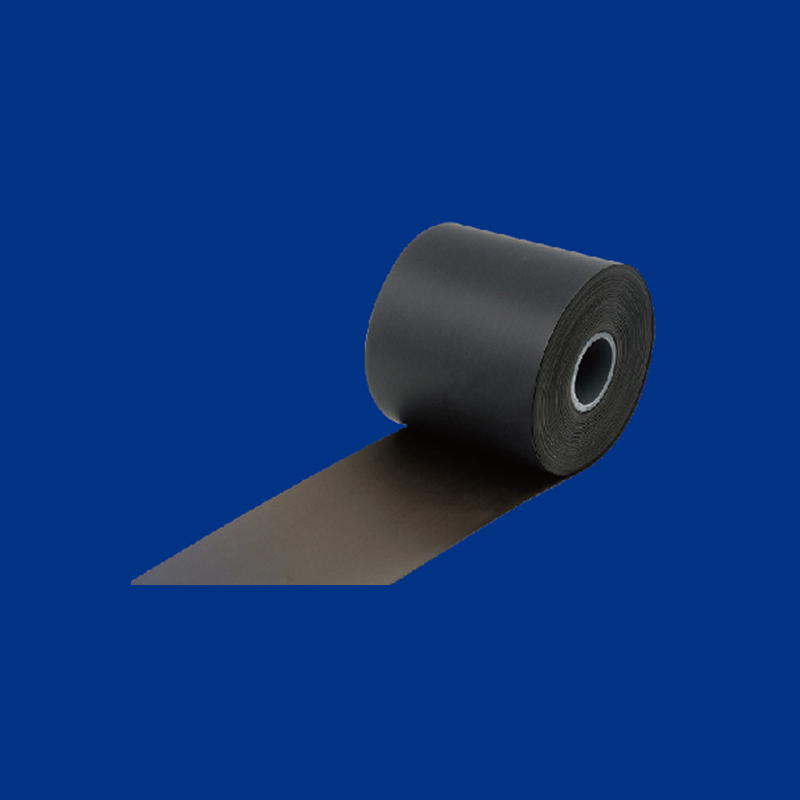
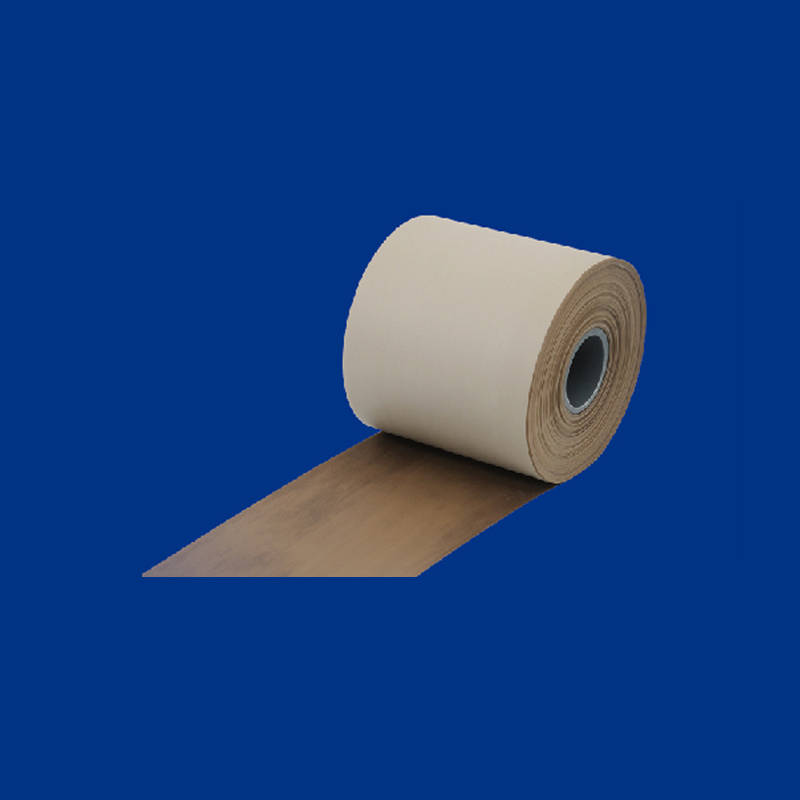
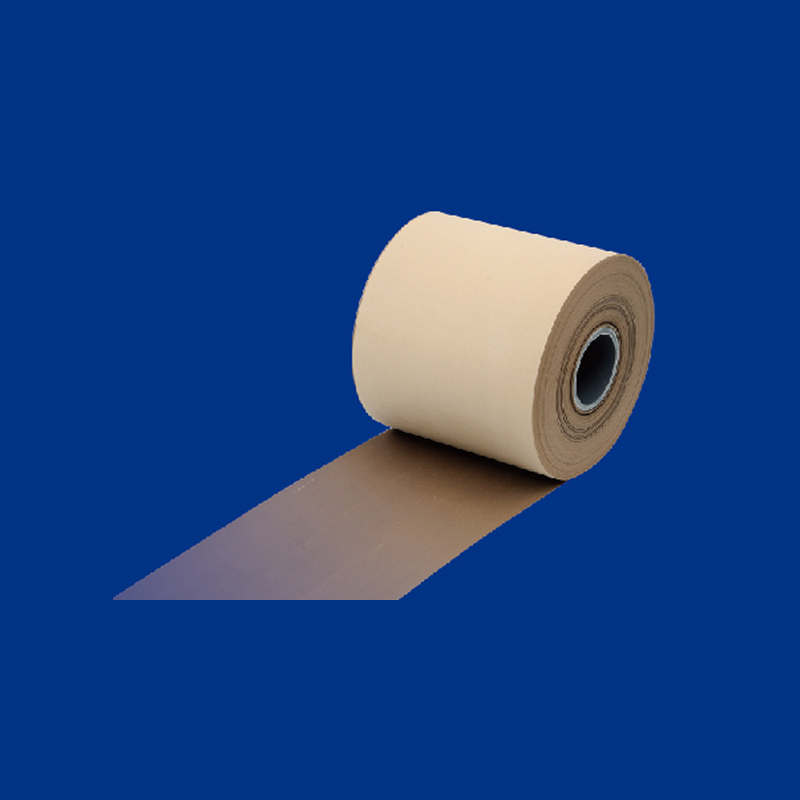
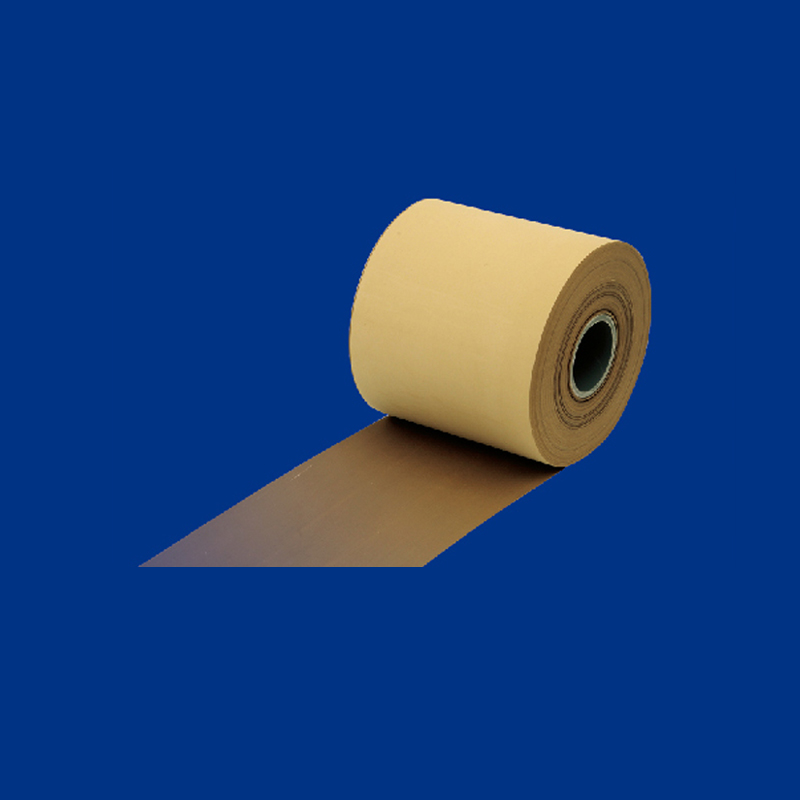
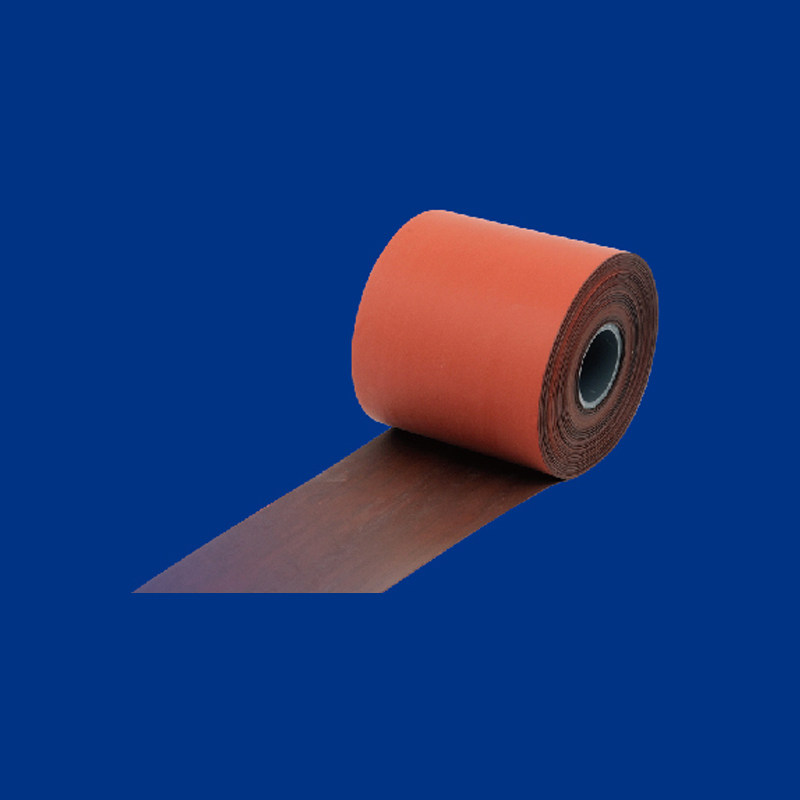
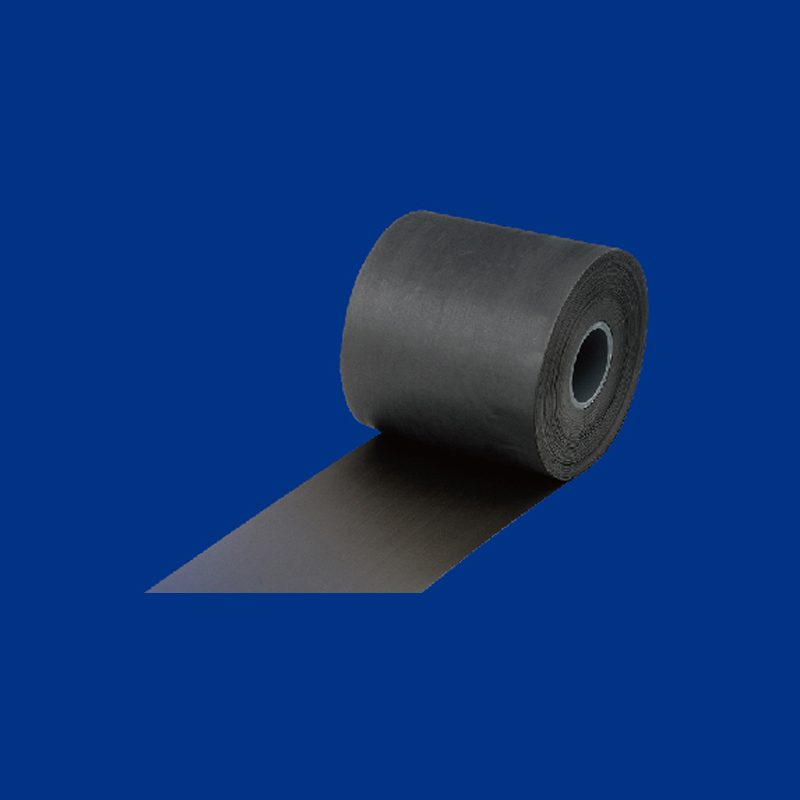
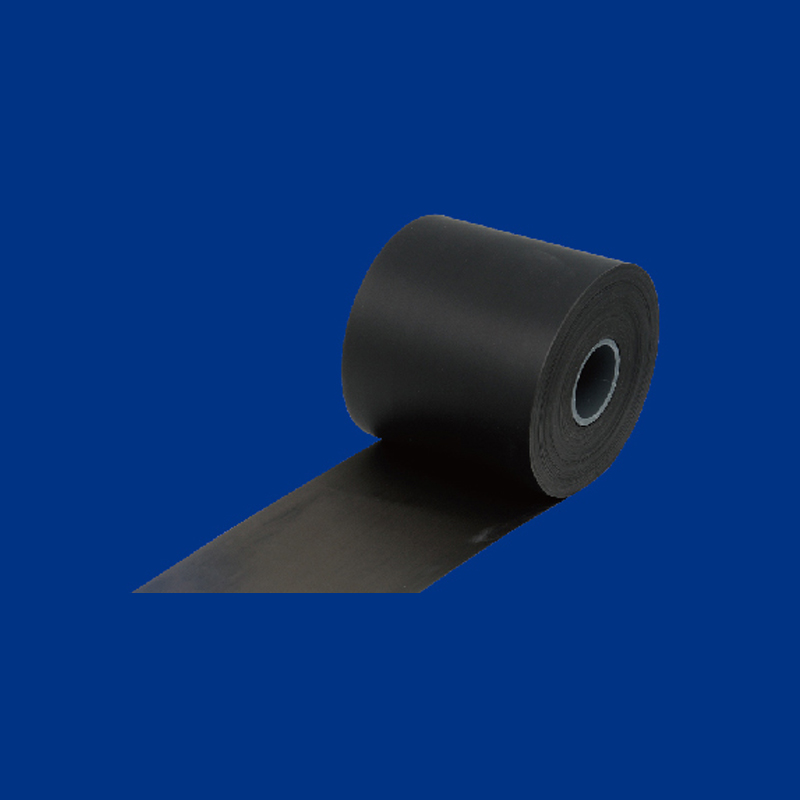
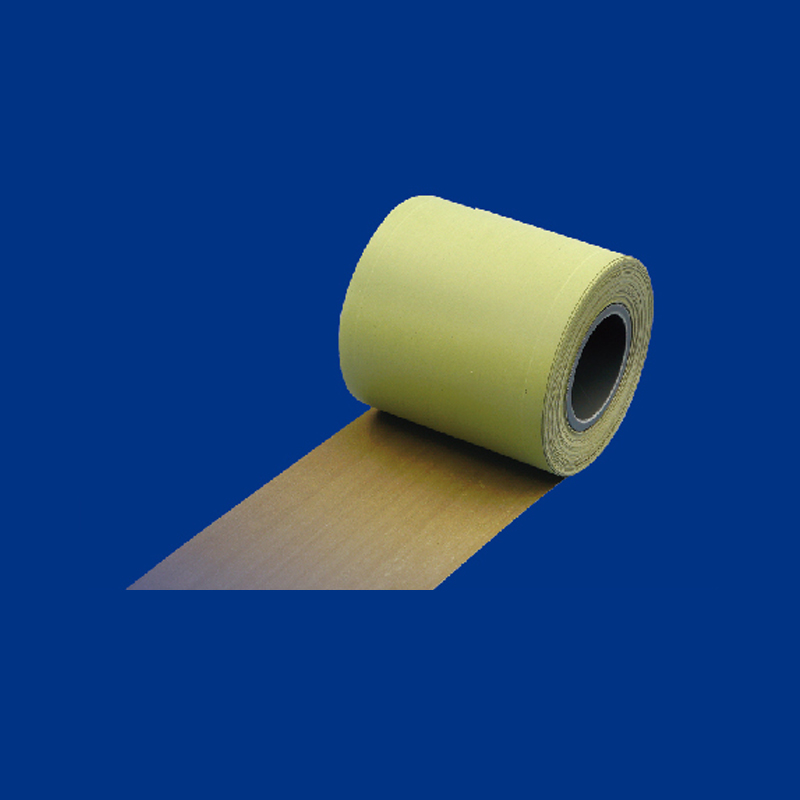
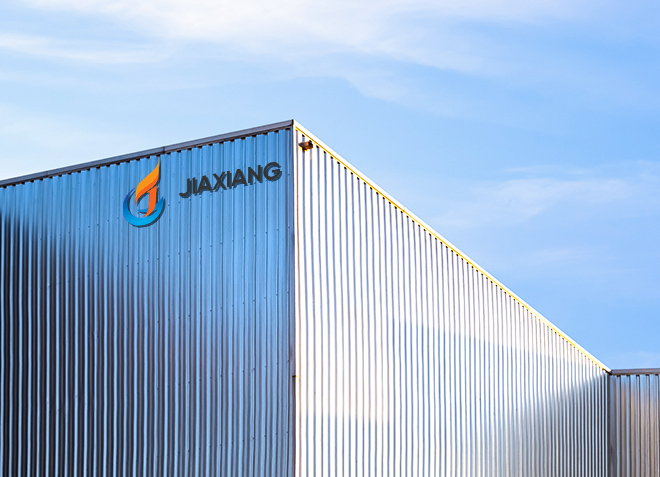



Gansu Juxiang Fluoroplastics Technology Co.,Ltd. is a PTFE Self-Lubricated Tape manufacturer in China, producing a focused range of low-friction PTFE tapes for OEM sliding surfaces, wear strips and guide components. The range covers eight JUXIANG-T grades, from general-purpose tape to lower-friction and higher-elongation variants, with stated minimum tensile strength, elongation, apparent density and dynamic coefficient of friction. We supply tape as a custom slit roll or cut part and match the grade, surface, thickness and fixing method to the working point rather than to a single catalogue number.
Range and Positioning
PTFE self-lubricated tape is used where a dry, low-friction surface must be added to a metal, composite or plastic component without a separate lubricant. Our tape family is positioned for replaceable wear surfaces, sliding contacts, guide rails, chute liners and assembly fixtures where stick-slip, abrasion or chemical attack shorten the life of the base part. The eight grades let us hold a defined balance between friction, tensile strength, elongation and density; the final choice follows the load, speed, counterface and installation method.
- Sliding and wear surfaces: tape for wear pads, slideways, chute liners and replaceable contact faces.
- Guide and positioning elements: related formats are available as PTFE Guide Tape for guide-rail and positioning duties.
- Bonded assemblies: where an adhesive backing is needed, the adhesive route is handled under PTFE Adhesive Tape.
- Custom parts: slit rolls, strips and cut profiles made to drawing or sample.
Grade Selection: Friction, Strength and Density
Grade data are stated as minimum values for tensile strength and elongation, a density range and a dynamic friction coefficient. Lower friction does not automatically mean a better wear part: T202 gives the lowest stated dynamic COF at 0.190, while T203 offers the highest minimum tensile strength and elongation in the range. We select the grade against the actual contact pressure, sliding speed, temperature and counterface finish.
| Grade | Tensile strength min (MPa) | Elongation at break min (%) | Apparent density (g/cm³) | Dynamic COF |
|---|---|---|---|---|
| JUXIANG-T200 | 15 | 150 | 2.0–2.1 | 0.260 |
| JUXIANG-T201 | 13 | 140 | 2.0–2.1 | 0.194 |
| JUXIANG-T202 | 12 | 100 | 2.0–2.1 | 0.190 |
| JUXIANG-T203 | 18 | 200 | 1.90–1.98 | 0.240 |
| JUXIANG-T104 | 11 | 80 | 2.0–2.1 | 0.300 |
| JUXIANG-T105 | 15 | 150 | 2.0–2.1 | 0.195 |
| JUXIANG-T106 | 13 | 80 | 2.0–2.1 | 0.198 |
| JUXIANG-T107 | 15 | 150 | 2.0–2.1 | 0.200 |
The table is the starting point for a grade proposal. Where a project needs a specific friction level, we review the tape against the counterface material and the fixing method; where mechanical retention is used, elongation and tensile strength carry more weight than the friction number alone.
Application Fit and Surface Preparation
Tape performance depends on the complete tribological pair, not the tape alone. A smooth, clean counterface, adequate support behind the tape and a fixing method that prevents edge lift are part of the application. We review the mating surface, load path and replacement access before fixing the supply format.
- Counterface: specify material, roughness and finish direction; hard, smooth surfaces generally reduce friction and wear.
- Load and speed: give static and dynamic load, contact area, sliding speed and duty cycle.
- Temperature: state continuous and peak temperature, including transient heat from the process.
- Chemical exposure: list oils, solvents, acids, alkalis, steam or cleaning agents that contact the tape.
- Fixing: confirm whether the tape is mechanically clamped, bonded, recessed or wrapped; edge condition and clearance matter.
- Environment: note dust, grit, swarf or cleanroom restrictions that affect surface preparation and roll handling.
Configuration and Supply Format
We configure the tape as a slit roll, a cut strip or a cut part to suit the installation. Width, thickness, roll length, core size and edge condition are confirmed on the drawing or sample, together with the grade and the direction of sliding. For bonded versions, the adhesive system is reviewed separately from the self-lubricated tape so that the bond line, surface energy and service temperature are compatible.
- Rolls: slit to the required width with a defined core and roll length.
- Strips and cut parts: cut to drawing, with edge condition agreed for the fixing method.
- Backing options: adhesive-backed tape is handled under PTFE Adhesive Tape; unsupported self-lubricated tape remains the standard for clamped or recessed surfaces.
- Packaging: rolls are protected for transport; labels, core marking and pack quantity are set in the order documentation.
Quality and Acceptance
The grade table defines the properties we use to build the inspection plan. Tensile strength, elongation at break, apparent density and dynamic coefficient of friction are the primary material checks; width, thickness, roll length and visual condition are checked against the agreed supply drawing. Production is scheduled across our Zhejiang and Gansu bases, with the same grade and dimension records carried through repeat orders.
- Material: grade identity, tensile strength, elongation and density range.
- Friction: dynamic COF value for the selected grade.
- Dimensions: width, thickness, length and edge quality to the supply drawing.
- Documentation: grade data and handling guidance supplied with the order.
- Acceptance: inspection plan and record scope agreed before the run.
Information We Use to Configure Your Solution
Your proposal is built from the working point, the part geometry and the supply format. We need the following to select a grade and quote a custom tape; additional data on the counterface and installation improve the recommendation.
- Application and motion: sliding, guiding, wrapping or wear protection; stroke, speed and duty cycle.
- Load data: contact pressure, static and dynamic load, contact area and expected life.
- Counterface: material, hardness, roughness, surface finish and lubrication state.
- Environment: temperature range, chemicals, cleaning, dust and outdoor exposure.
- Part drawing: width, thickness, length, tolerances, edge condition and fixing method.
- Supply format: roll, strip, cut part, core size, pack quantity and labeling.
- Quality: grade, acceptance properties, inspection records and sample approval.
- Commercial: annual quantity, first order quantity, delivery schedule and destination.
Installation, Maintenance and Support
Installation quality decides whether the tape reaches its friction and wear potential. We supply handling and installation guidance with the order and quote repeat supply against the original grade and drawing. As a wear part, the tape is replaced at planned intervals; keeping grade, dimension and batch records makes repeat supply straightforward.
- Prepare the counterface: remove burrs, oil, release agents and loose scale; avoid grit trapped under the tape.
- Control the bond or clamp: follow the agreed adhesive or mechanical fixing, and protect edges from lift.
- Allow for clearance: confirm the installed thickness and any compression under load.
- Handle with care: cut rolls in a clean area; thin tape can crease and trap contamination.
- Monitor wear: replace at the agreed wear limit before the backing surface is exposed.
Customer Questions
Which grade gives the lowest friction?
JUXIANG-T202 has the lowest stated dynamic coefficient of friction at 0.190, followed by T201 at 0.194 and T105 at 0.195. Grade selection still balances friction with tensile strength, elongation and density; T203, for example, is specified at 0.240 but offers a minimum tensile strength of 18 MPa and elongation of 200%.
Can you supply custom widths and thicknesses?
Yes. We slit and cut PTFE self-lubricated tape to the width, thickness and roll format on the drawing or sample. The proposal confirms grade, dimensions, edge condition, core size and pack quantity before production.
Is the tape supplied with adhesive?
The self-lubricated tape is supplied as an unsupported tape for clamped, recessed or separately bonded surfaces. Where an adhesive backing is required, we quote the adhesive tape range separately so the adhesive and service temperature are matched to the application.
What information is needed for a quotation?
We need the application, load and speed, counterface, temperature and chemical exposure, part drawing, supply format, annual quantity and acceptance requirements. A sample or existing part helps confirm the grade and installation method.
Related Products and Categories
Our portfolio also includes Products for applications with different operating ranges, interfaces or integration requirements.