

 русский
 Deutsch
 عربى

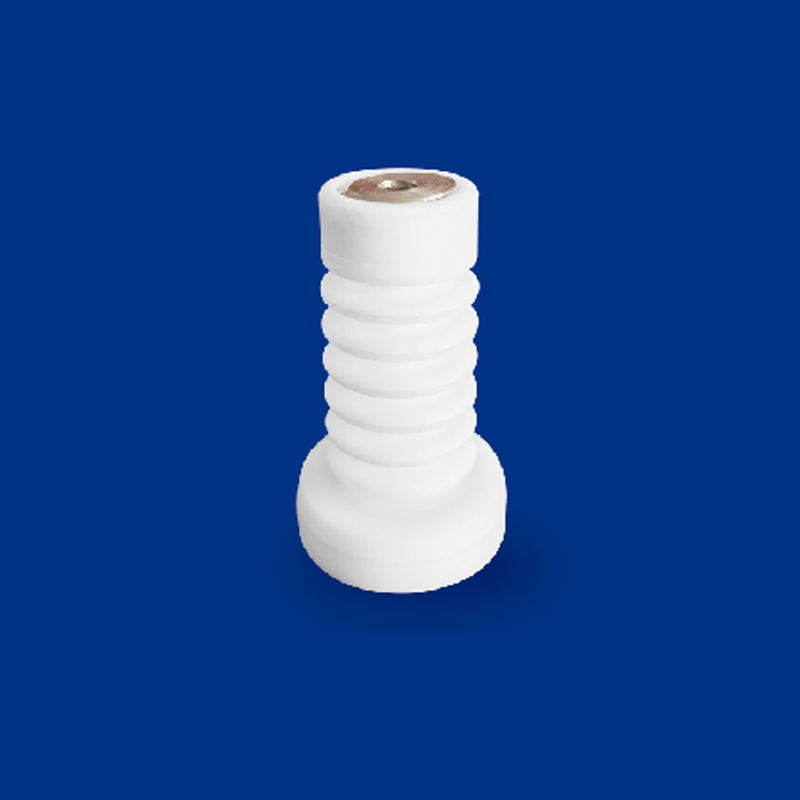
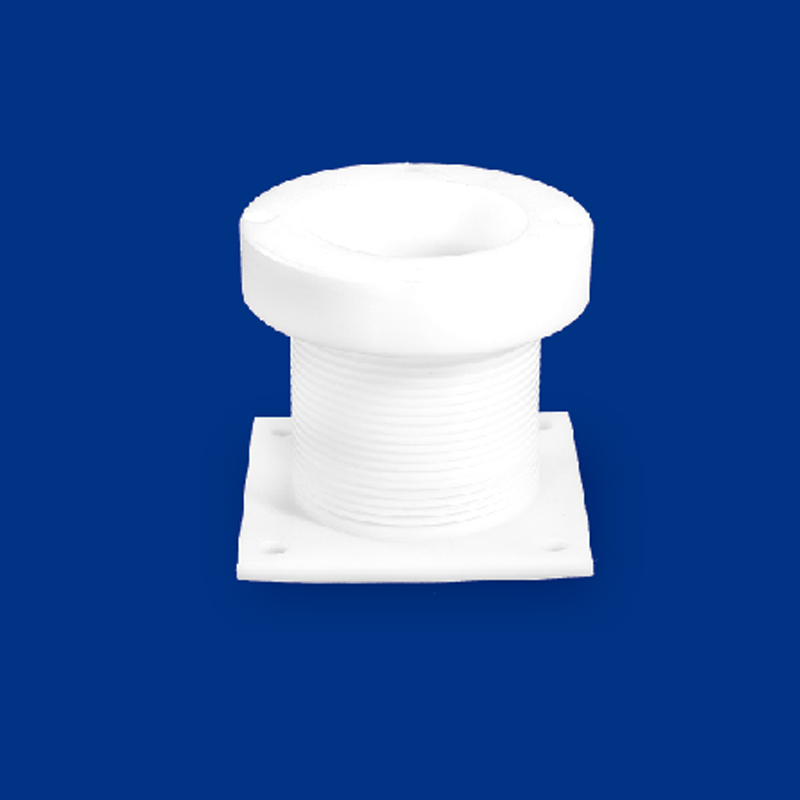
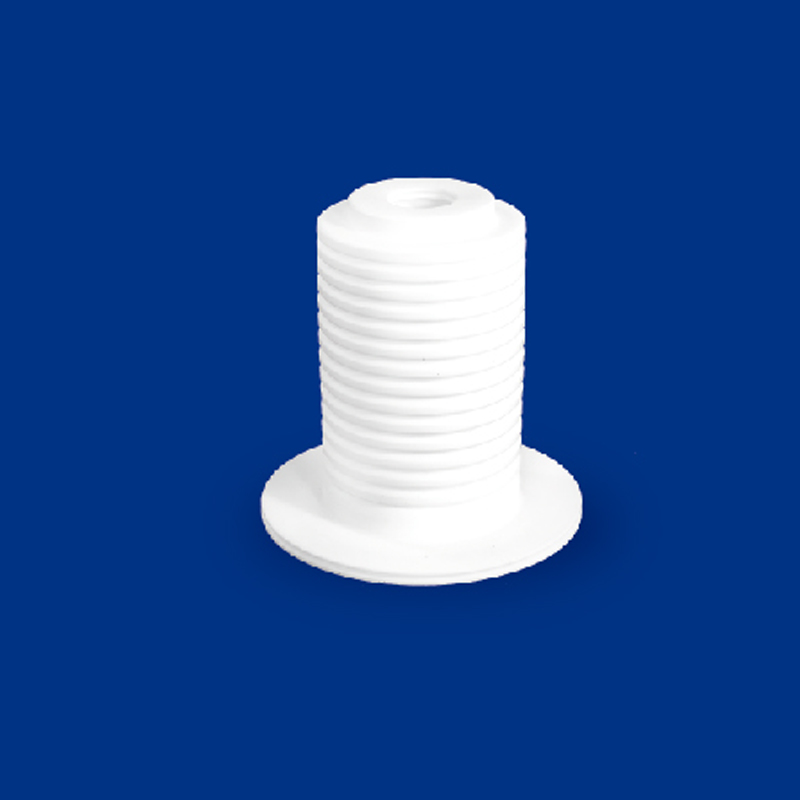
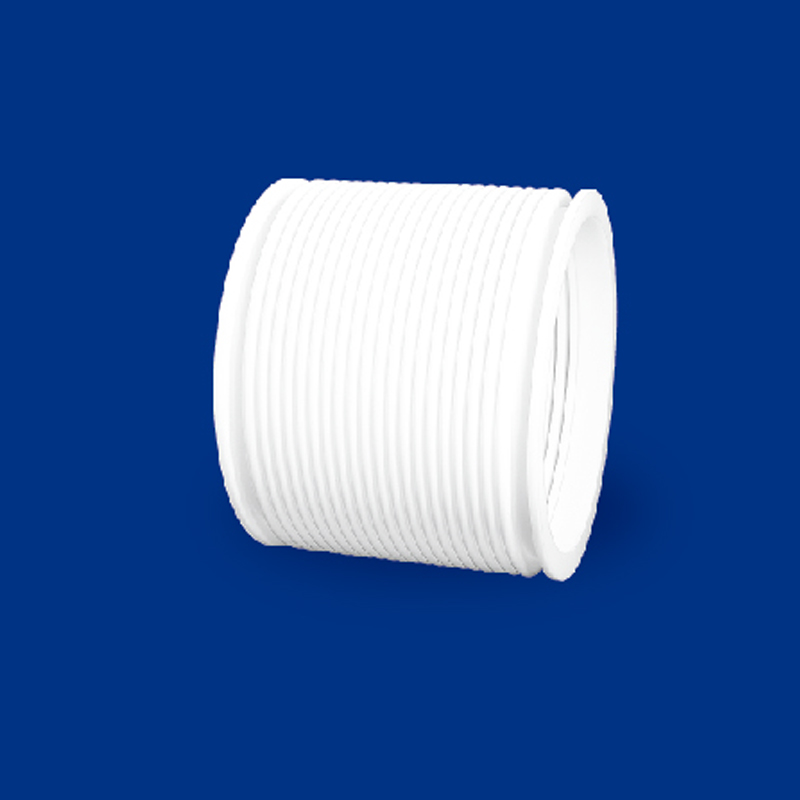
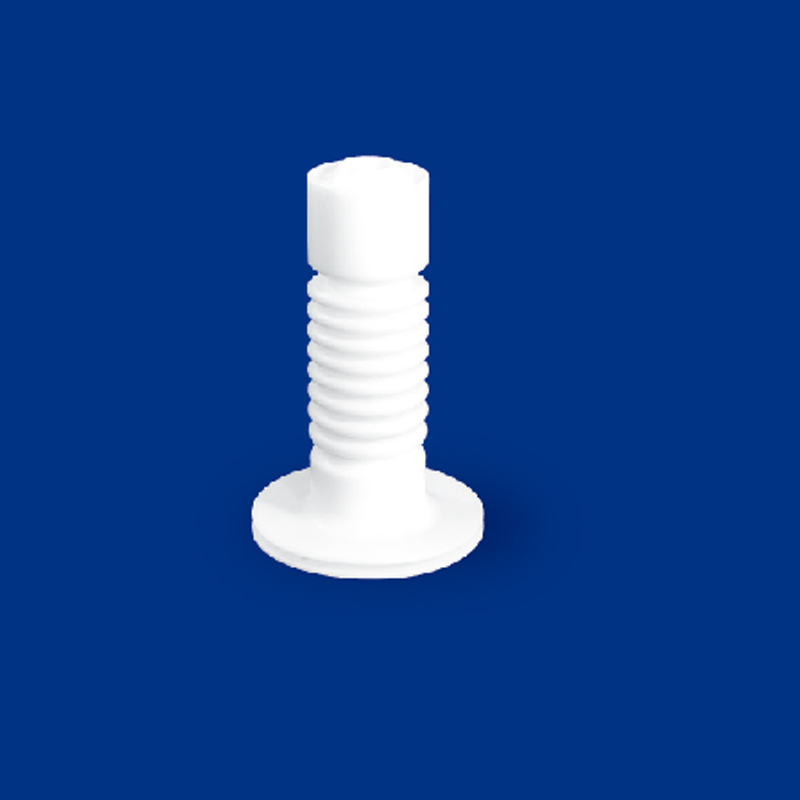
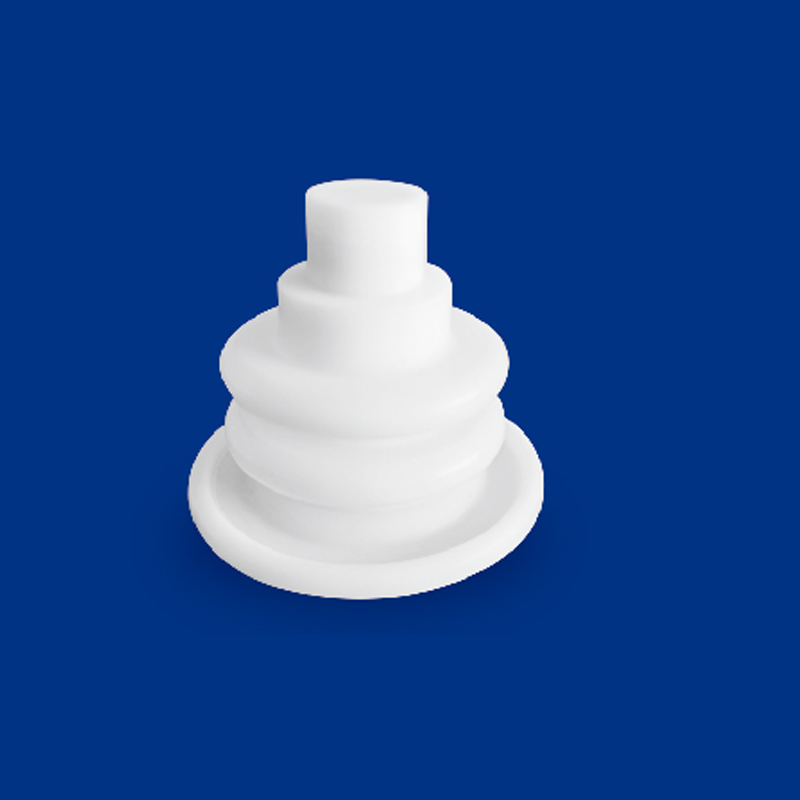
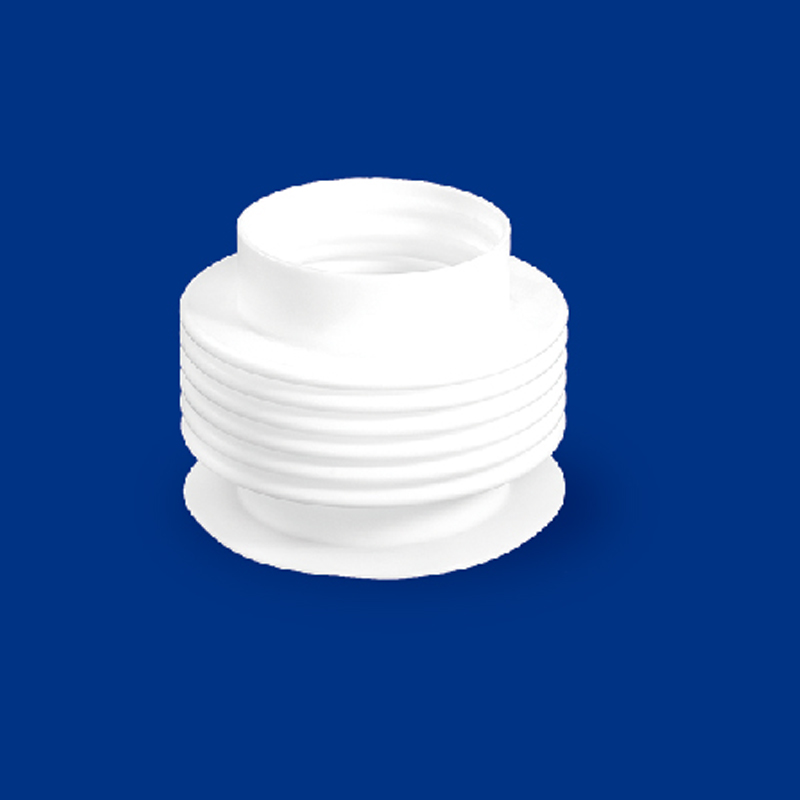
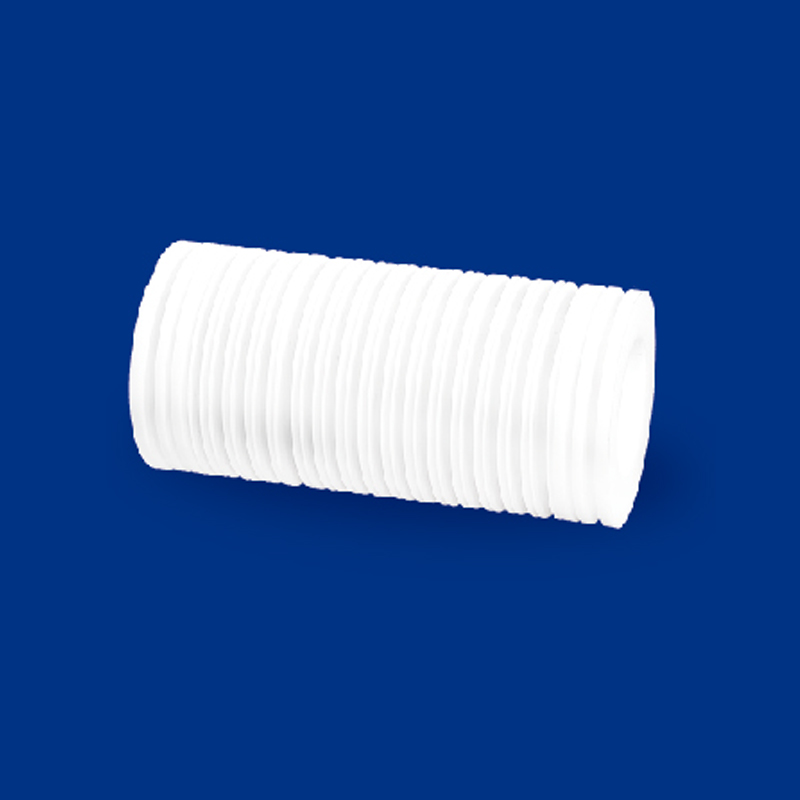
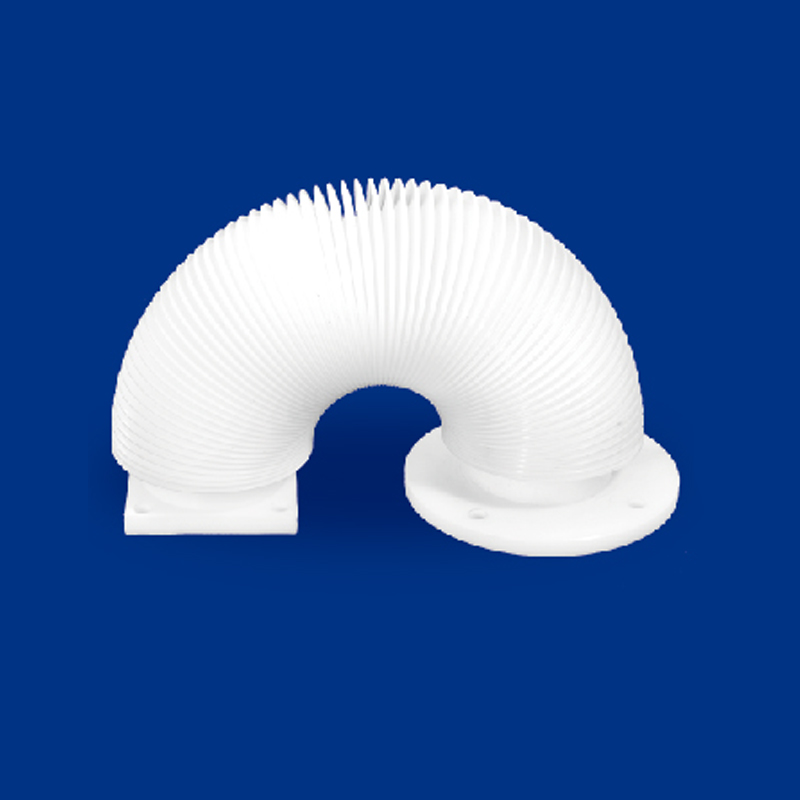
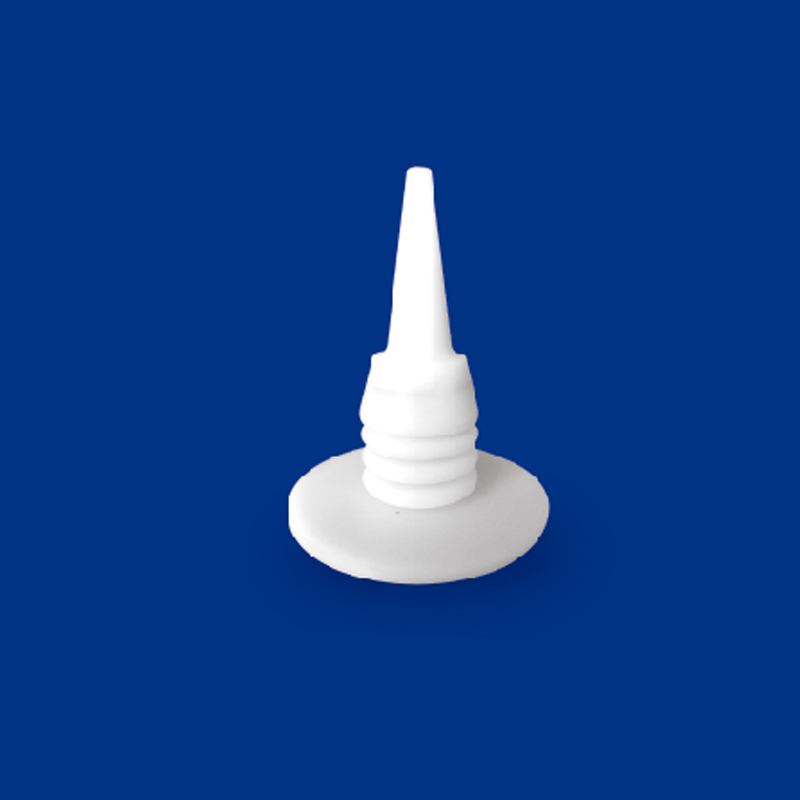

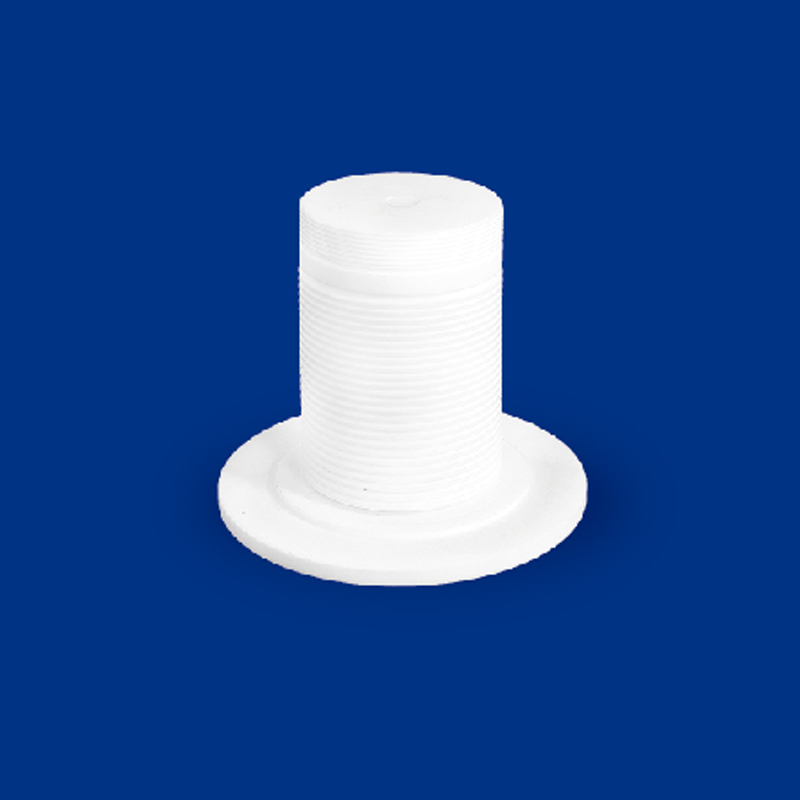
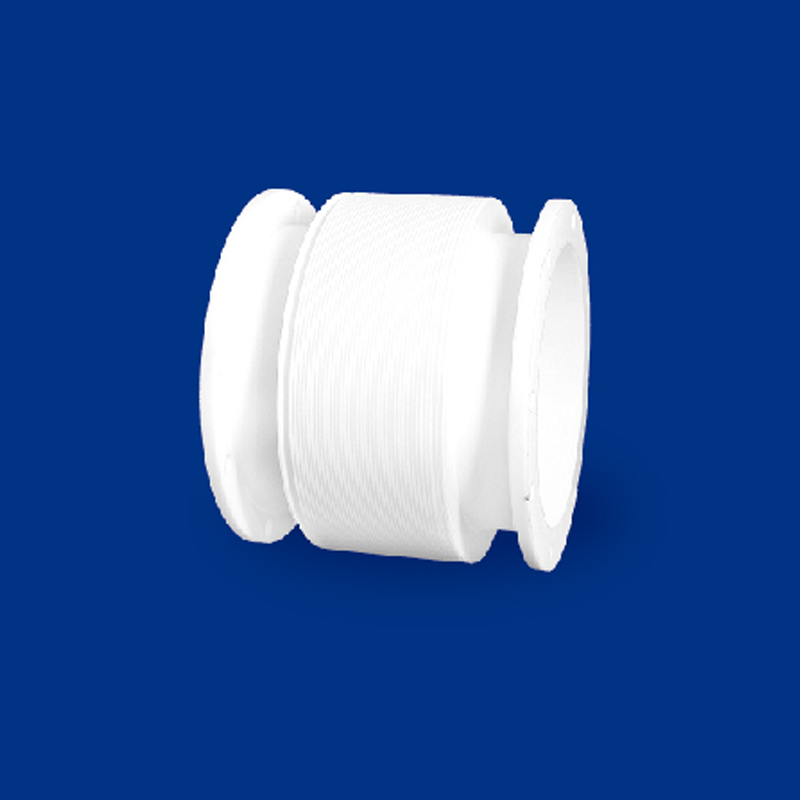
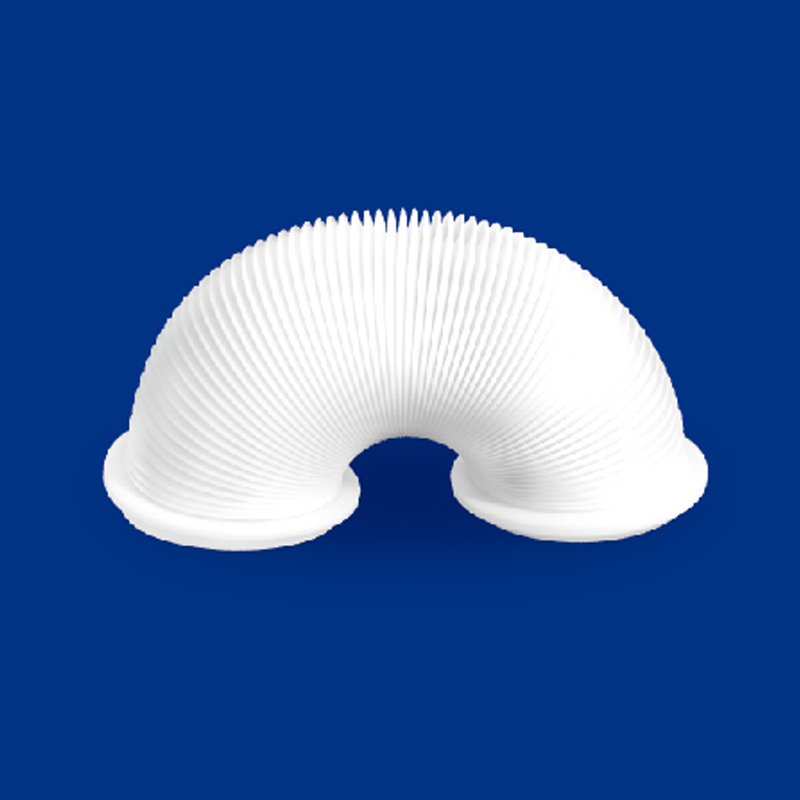



Gansu Juxiang Fluoroplastics Technology Co.,Ltd. is a PTFE Flexible Coupling manufacturer producing the coupling body from suspension-polymerized PTFE resin blanks that are molded and then finished by CNC machining. The component is specified for connections between metal pipe and glass pipe, and the standard range covers nominal bores from Ø25 mm to Ø200 mm, with non-standard sizes machined to drawing.
Our work in this product family is built around the pipe interface rather than a fixed part number. Bore, sealing face, bolt circle, wall section and overall length are set from the line data, so a coupling ordered for a glass header on a pilot plant and one ordered for a lined steel spool on a production train come from the same molded blank and the same machining route. Production runs from two bases in Zhejiang and Gansu, China, which keeps repeat orders and custom machining on separate schedules.
Product Range and Configuration Fit
PTFE carries the chemical resistance and the -180 °C to +260 °C service window; the machining carries the fit. Because the body is machined after molding, the same material platform serves vacuum transfer, pump discharge, gravity drain and high-purity transfer, with geometry adjusted to each duty.
| Configuration element | What we supply | Where it fits |
|---|---|---|
| Nominal bore | Ø25 mm to Ø200 mm as standard; other sizes machined to drawing | Laboratory and pilot glass lines through to plant-scale chemical pipework |
| Body material | Virgin suspension-polymerized PTFE; filled PTFE grades reviewed where creep or wear governs | Acid, alkali and mixed chemical service; cycling and higher-pressure duty |
| End connection | Machined to the mating flange, socket or plain pipe end shown on the customer drawing | Metal spools, glass pipe sections, lined headers and pump connections |
| Wall section | Sized against the pressure or vacuum condition confirmed at order | Vacuum transfer, pump discharge, drain legs |
| Service temperature | -180 °C to +260 °C continuous window | Cryogenic transfer, hot chemical lines, steam-adjacent pipework |
| Bore finish | Machined condition agreed at order, including bore quality for high-purity lines | Semiconductor wet process, pharmaceutical and food-adjacent transfer |
| Verification | Dimensional inspection record issued with the shipment | Project QA, incoming inspection and installation sign-off |
Where a line combines thermal movement with an aggressive medium, we review the compound as well as the geometry. Filled PTFE grades produced within our own fluoroplastic product range are considered when virgin PTFE would creep under sustained load.
Application Fit in Corrosive and High-Purity Lines
A rigid spool between two fixed items of equipment has nowhere to put thermal growth, pump vibration or minor setting-out error. The flexible PTFE coupling absorbs that movement within the component and keeps the wetted path chemically inert, which is why it appears most often where glass or lined pipe cannot be stressed.
- Glass pipework: joins glass sections to metal nozzles and headers without imposing bending load on the glass.
- Chemical transfer: acid, alkali, brine and mixed waste lines where a metallic bellows would corrode.
- Pump connections: breaks vibration transmission between a pump discharge and the fixed header.
- High-purity transfer: semiconductor wet benches, pharmaceutical lines and ultrapure water loops where surface condition matters.
- Tank and vessel nozzles: accommodates settlement and thermal movement between a vessel and its outlet pipe.
The coupling is not a substitute for a guided expansion joint on a long, hot run. Where axial travel is large or the line needs a defined spring rate, we propose a PFA expansion joint or a corrugated PTFE element instead, and say so at the review stage.
Critical Specifications We Confirm Before Machining
Four values decide whether a coupling fits and survives: the interface, the pressure condition, the movement it must absorb and the chemistry it sees. We confirm all four before a drawing is released.
- Interface: pipe outside diameter or flange standard, bolt circle, gasket face, face-to-face length and concentricity tolerance.
- Pressure and vacuum: design pressure, vacuum level, surge and water-hammer allowance, and whether the coupling becomes the weak point in the run.
- Movement: axial, lateral and angular displacement, cycle frequency, and whether movement is thermal, mechanical or installation-related.
- Chemistry: media, concentration, temperature, presence of oxidisers, and any cleaning or sterilisation cycle the part must survive.
Installation conditions belong in the same review. Support spacing, anchor points and the number of couplings on a run determine how much movement each part actually sees, and a line with three couplings behaves differently from a line with one.
Machining, Inspection and Documentation
Molding a suspension-resin blank and machining it afterwards gives a dense, stress-relieved body with a machined sealing face. We hold the blank size against the finished bore so the wall section stays within the drawing at Ø200 mm as well as at Ø25 mm.
Inspection follows the drawing: bore, face-to-face length, flange drilling, wall thickness and the visual condition of the sealing face. Results are recorded against the order and issued with the shipment, together with handling and installation guidance. Where a project requires material identification or certification documents, these are prepared with the order documentation rather than after dispatch.
Line Integration and Supply Scope
Couplings rarely ship alone. Most orders include the sealing and thread components that go on the same pipe run, and consolidating them with one manufacturer removes the mismatch that appears when a gasket is bought to a different tolerance from the coupling it sits against.
- Gaskets and seals: modified PTFE gaskets, envelope gaskets and O-rings sized to the same flange interface.
- Thread sealing: PTFE thread seal tape for threaded instrument and utility connections on the same skid.
- Expansion elements: PFA expansion joints where movement exceeds what a machined coupling should take.
- Lined and solid components: PTFE-lined pipe, valve seats and dip tubes from the wider fluoroplastic range.
Couplings are packed to protect the machined faces in transit, and where the project supplies line or tag numbers we label each part to match so site stores can issue a complete set to each spool.
Information We Use to Configure Your Solution
A quotation is only as good as the line data behind it. The list below is what we need to turn a bore size into a machined coupling that installs first time.
| Input | Why it changes the part |
|---|---|
| Pipe or flange drawing, including bolt circle and gasket face | Sets the machined interface and the concentricity the coupling must hold |
| Media, concentration and operating temperature | Confirms virgin or filled PTFE and the wall section |
| Design pressure, vacuum level and surge allowance | Determines wall thickness and the joint detail |
| Expected axial, lateral and angular movement, with cycle count | Decides whether a machined coupling is the right element at all |
| Installation arrangement: support spacing, anchors, number of couplings per run | Distributes movement and prevents over-travel at each part |
| Cleaning and sterilisation regime | Sets bore finish and surface acceptance criteria |
| Documentation, marking and inspection requirements | Defines the records issued with the shipment |
| Quantity, spares and delivery programme | Sets the production slot and the packing sequence |
Send the drawing and the line data together. Where a dimension is open, we mark it on the return drawing for confirmation before machining starts.
Frequently Asked Questions
What sizes of PTFE flexible coupling do you produce?
Standard production covers Ø25 mm to Ø200 mm. Sizes outside that band, and couplings with non-standard flange drilling or face-to-face length, are machined to the customer drawing.
What temperature range does the coupling handle?
The PTFE body is rated for continuous service from -180 °C to +260 °C. The practical limit for a given line is set by the pressure condition and the movement the coupling must absorb, which we review together.
Can the coupling be supplied with gaskets and other sealing parts?
Yes. Modified PTFE gaskets, envelope gaskets, O-rings and thread seal tape can be included on the same order and matched to the same flange interface, so the sealing stack is dimensionally consistent.
How do you handle a line where movement is larger than a machined coupling allows?
We say so at the review stage and propose a PFA expansion joint or a corrugated PTFE element instead. A machined coupling is the right answer for modest misalignment and thermal movement, not for long axial travel.
Related Products and Categories
Our portfolio also includes Modified PTFE Gasket for applications with different operating ranges, interfaces or integration requirements.